
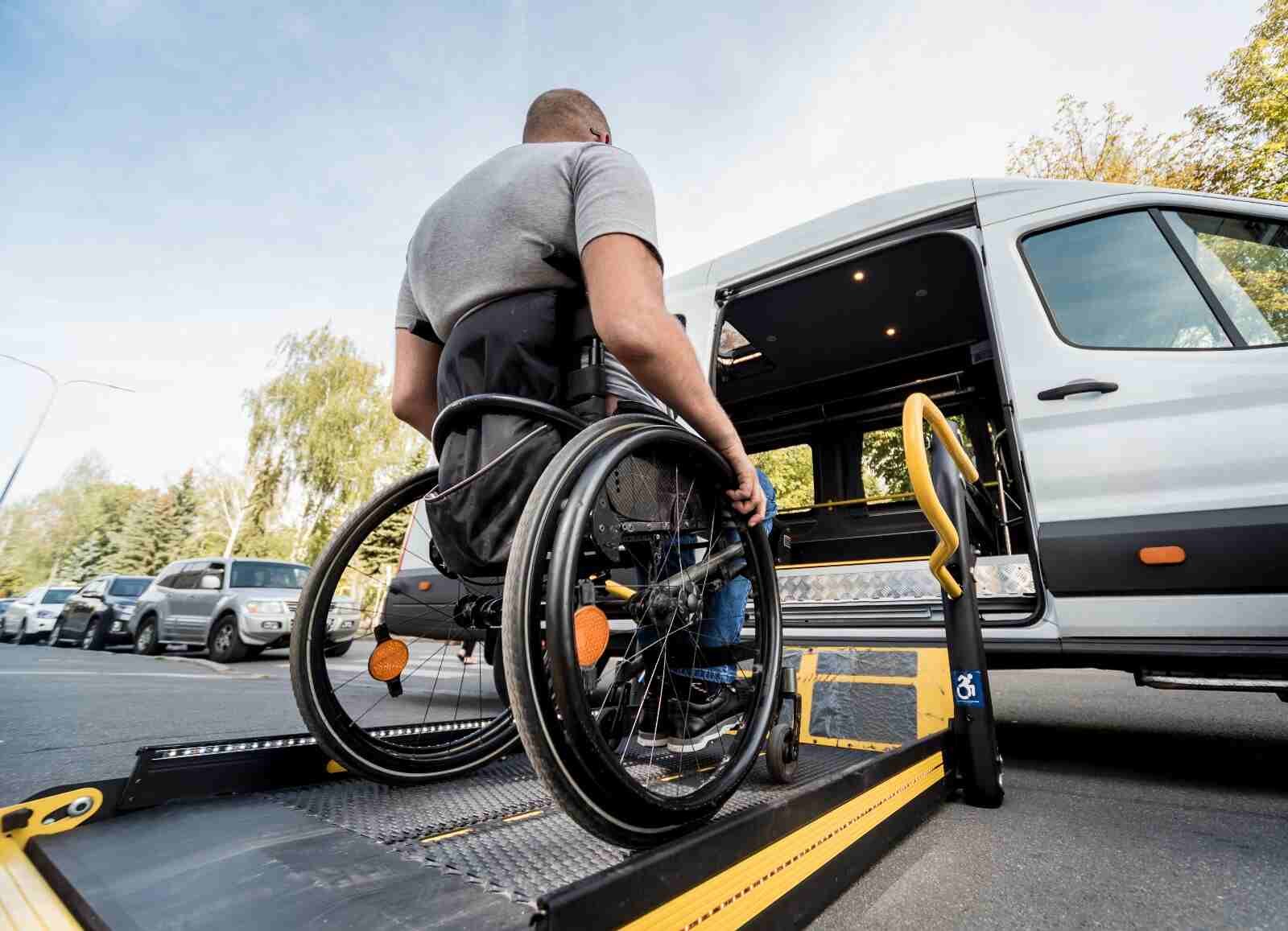
The everyday life of persons with disabilities can be complicated, as they may not easily travel between one area and another. Transportation is a key aspect of independence, which allows access to work, education, health and social activities. This is where NDIS transport support comes in.
In this all-inclusive guide, we will discuss what NDIS transport is, its working principle, eligibility, and how it can make a significant difference in the quality of life of the participants.
What Is NDIS Transport?
NDIS transport is the assistance and funding given as part of the National Disability Insurance Scheme (NDIS) to enable participants to travel to necessary activities and services. They could involve commuting to work, visiting doctors, attending community programs, or obtaining educational opportunities.
This support is aimed at minimising obstacles and enhancing autonomy, so people with disabilities can participate fully in daily life.
The importance of Transport Support
Availability of good transportation is not just about convenience, but is about opportunity and inclusion. People can find it difficult to keep a job, go to therapy or keep socially active without proper transport.
NDIS transport makes sure that participants will not feel isolated because of mobility problems. It enables them to:
- Be involved in community work.
- Maintain employment or education
- Go to the doctor and therapy visits.
- Build social connections
Finally, transport support helps in an inclusive society.
Forms of NDIS Transport Support
NDIS transport funding is not a one-size-fits-all. It is individualised to suit the individual needs of the participants. As a rule, the support can be divided into the following three categories:
1. Transport Allowance
This is a definite sum of money given to the participants who are unable to utilise public transit alone. It assists with the expense of taxis, rideshares or community transportation.
2. Assistance with Travel
In the case of participants who need assistance whilst travelling, NDIS has the ability to finance a support worker to travel with them. This ensures safety and confidence while commuting.
3. Vehicle Modifications
Transport funding under NDIS can, in other instances, be used to make changes to the car of a participant, e.g. adding a ramp or lift, or special controls.
Who Can Get NDIS Transport?
NIIS transport assistance is available based on personal situations. Typically, the participants have to prove that their disability has a serious effect on their mobility to use public transport.
Factors considered include:
- Functional limitations due to disability
- Require help or guidance when travelling.
- Travel frequency needed to conduct daily activities.
- Work or educational activities.
The participants should also make their transport needs clear in their NDIS plan.
Funding Levels Explained
Transport funding through NDIS is usually broken down into three tiers, based on the needs of the participant:
Level 1: Basic Support
The participants should have limited transport requirements, e.g. infrequent access to the community.
Level 2: Increased Support
Available to people who travel to work, study, or day programs on a part-time basis and have to travel more often.
Level 3: High Support
Participants who are working or studying full-time and require transport services on a daily basis.
The different levels offer varying levels of funding, making sure that funding is tailored to lifestyle and purpose.
Transport in your NDIS Plan
You need to talk about your needs with your planning meeting to receive NDIS transport funding. Here are some tips:
- Be very clear about your daily routine and your travelling needs.
- Show evidence of the impact of disability on mobility.
- Emphasise objectives like work or involvement in the community.
- Include reports of medical workers when possible.
Effective documentation enhances the chances of getting the right funding.
Using Your Transport Funding
After getting approved, the participants are free to use their NDIS transport funding according to their choice. Common options include:
- Hiring a taxi or rideshare.
- Services of community transport providers.
- Recruitment of support employees to assist in travelling.
- Fuel charge when driving a personal car.
Monitoring of spending and making sure that money is spent according to the NDIS plan is important.
Advantages of NDIS Transport Support
The NDIS transport has effects beyond mobility. It improves the general well-being and independence in multiple ways:
Increased Independence
The participants are able to have the freedom to move around without necessarily depending on family or caregivers.
Increased Access to Opportunity
A good transportation system opens up job opportunities, education, and social interaction.
Improved Mental Health
The ability to engage in community life lessens the sensation of being isolated and enhances confidence.
Improved Quality of Life
This is because the greater the mobility, the more active and satisfying life is.
Challenges and Considerations
Although NDIS transport is an effective assistance, it has certain pitfalls:
- Transport costs might not be fully covered in funding.
- Services may be available depending on location.
- To prevent overspending, planning and budgeting is vital.
The participants are expected to revise their plans frequently so as to make sure that their needs are addressed.
Maximising Your Transport Support Tips
To utilise your NDIS transport funding to the fullest, keep in mind the following practical tips:
- Preplan your trip.
- Compare service providers to be cost-effective.
- Combine journeys where feasible in order to conserve money.
- Maintain records and receipts of expenditures.
- Keep in touch with your support coordinator.
These measures will aid in increasing your budget and efficiency.
The Future of Transport Support in NDIS
The transport services will become more flexible and available as NDIS keeps developing. New technologies, like the availability of rideshares and better transport systems in the community, will most likely serve to improve service provision.
The participants will anticipate more personalised and technology-driven solutions that will make travelling simpler and more effective.
Conclusion
NDIS transport is an essential support mechanism helping people with disabilities to live a more independent and satisfying life. It can eliminate barriers and open up opportunities to be involved in any spheres of life by supplying the funds and help with travelling.
The knowledge of the transport support mechanism, its availability, and the ability to utilise it properly can be a great difference in attaining individual objectives. It can be going to work, being able to relate to the community, or even just doing their daily errands. NDIS transport will see to it that mobility is no longer a hindrance.
FAQs
1. NDIS transport funding: What is this?
NDIS transport funding serves to assist participants in travelling to work, education, medical appointments, and community activities.
2. Would I use NDIS transport to make personal trips?
Yes, provided that the trips are part of your NDIS objectives and plan.
3. Should I supply receipts for transport expenses?
It will depend on how you manage your plan, but it is always advisable to keep records.
4. Can NDIS pay for a support worker to travel with me?
Yes, in case you need help on your way, then this will be part of your plan.
5. Is public transport covered under NDIS?
NDIS does not typically cover a ticket on public transport, but assists people who are not able to do so themselves.
6. What can I do to enhance my transport funding?
You may order a review of the plan and evidence of higher travel requirements.
7. Does NDIS transport funding allow me to use my own car?
Yes, it can pay part of the fuel costs or vehicle modifications, provided funding.