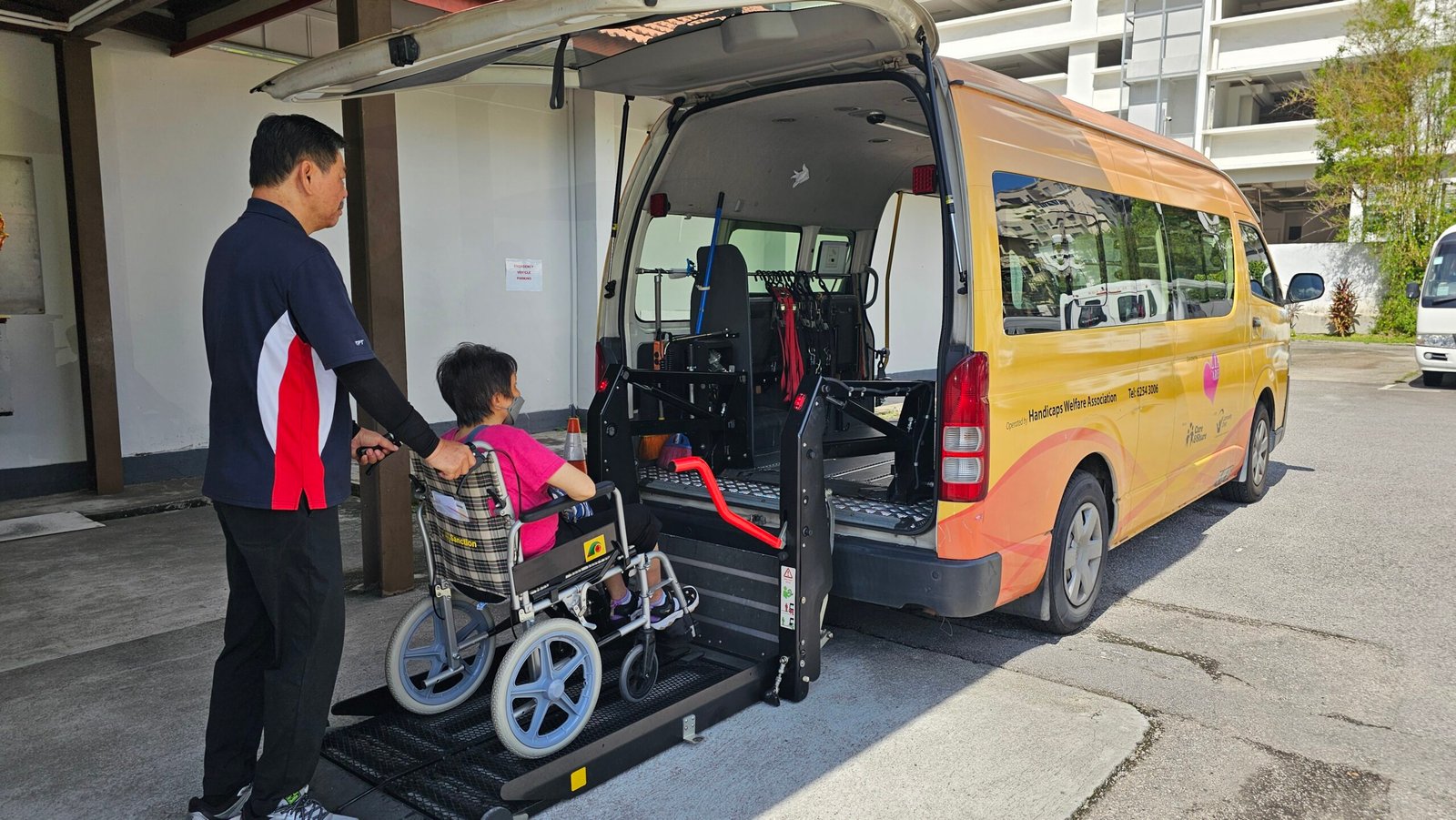

We know safe transport is essential to independent living. For people with disabilities in Australia, it can be harder to get to work, school, doctors’ appointments or cultural or social gatherings. That’s where NDIS Transport Services come into play.
The NDIS supports people with disabilities to travel independently and safely in the community by providing funding and other supports to do so. The NDIS funds transport options, which can include using public transport, such as a bus and train, hiring a support person or using transport services. These transport services allow people with disabilities to be independent and participate in community activities, as the NDIS wants to ensure that people with disabilities have choice and independence in their lives. The NDIS transport services help people to travel comfortably, and we will now talk about NDIS Transport Services in detail, including who is eligible for NDIS Transport Services, how much money you can receive, what types of supports are available, and some tips to make the most of your NDIS plan. This will help you know how to access NDIS Transport Services, which will help you get around easily and participate in community events, as the NDIS wants to support you.
What Are NDIS Transport Services?
NDIS Transport Services are the supports offered by the NDIS to support travel to important activities. These may include:
- Attending work or education
- Attending doctors and specialists appointments
- Attending community activities
- Seeing family and friends
The aim of the support is to eliminate transport barriers to allow people to live a more inclusive and active life.
NDIS-funded transport is personalised, so people can access the support needed for their specific mobility, independence and needs.
Why Transport Support Is Important
Access to transport is not only about moving from place to place – it’s about access to possibilities and independence. Lack of transport support can lead to:
- Social isolation
- Limited employment opportunities
- Missed healthcare appointments
- Feeling less confident and independent
NDIS Transport Services allow participants to pursue their goals in the community and enhance mental and physical health.
Who receives NDIS Transport funding?
To be eligible for transport funding, you do not automatically qualify as an NDIS participant. This varies on a case-by-case basis.
You could receive funding for transport support if:
- You cannot travel on public transport because of your disability
- You need support from a carer
- You can’t drive or use private transport
- You have disability-related issues when travelling frequently
At your planning meeting, your needs will be discussed to decide whether NDIS Transport Services will be included in your plan.
Types of NDIS Transport Support
Under the NDIS, there are a number of options for transport support. The type you get is based on your needs, preferences and independence.
1. Transport Funding (Allowance)
This is a set amount for participants who are unable to use public transport. It’s used to offset private transport (taxis, rideshare, etc.) costs.
There are generally three levels of funding:
- Level 1: For those with low transport needs
- Level 2: For attendees of part-time work or study
- Level 3: For workers with high transport needs, such as full-time work or frequent activities
2. Support Worker Assistance
Participants can be funded for a transport support worker. This includes:
- Accompanying the participant during transit
- Helping to get in and out of vehicles
- Providing supervision and safety
This type of NDIS Transport Services is perfect for people who require physical and cognitive assistance.
3. Community Access Transport
Certain providers offer NDIS-specific transport services. These may include:
- Wheelchair-accessible vehicles
- Group transport services
- Pick-up and drop-off schedules
These can be more accessible and secure for those with complex mobility.
4. Vehicle Modifications
Sometimes, the NDIS will fund vehicle modifications. This can include:
- Wheelchair lifts
- Hand controls
- Specialized seating
These can be part of your NDIS plan, although they may not always fall under NDIS Transport Services, as they allow for self-reliant transportation and support access to long-term travel options.
Including Transport in Your NDIS Plan
In order to get access to NDIS Transport Services, you must explain your transport needs to be included in your planning meeting.
Here are some tips:
- Describe your daily living needs and transport needs
- Explain the difficulties you have using public transport
- Include supporting evidence from doctors if required
- Explain how transport will assist you in reaching your goals
Being clear and realistic with your transport needs can help ensure you are eligible for funding.
How to Choose a Transport Service Provider
Finding a transport service provider is crucial. You want to make sure your transport is safe and comfortable. Here are some key things to think about when choosing a provider:
- Reliability and Punctuality
Reliability and punctuality are vital. This is especially true if you are travelling for reasons or work. You need to arrive on time. - Safety Standards
The transport provider should have safety standards. The vehicles should be in condition. The drivers should be able to handle disability transport if needed. - Flexibility
You should ask about flexibility. Can you change your booking if needed? Can you cancel without a penalty? - Experience
A transport provider can meet your needs. They know what they are doing. They can handle types of transport requests.
Whether you need NDIS Transport Services or not, these tips will help you choose the provider. A good transport service provider makes a difference.
Benefits of NDIS Transport Services
There are several benefits of NDIS Transport Services, including:
- Increased Independence
No longer reliant on family and friends - Improved Social Participation
Fewer feelings of isolation through more participation in activities. - Better Employment Opportunities
Access to transport helps them get to work or training opportunities. - Enhanced Quality of Life
Mobility enhances self-esteem and well-being.
Challenges and Solutions
Travel assistance is great, but there are some problems
- Limited Funding
If you can’t afford it, you can ask for a review for reassessment. - Availability Issues
There could be limited transport options. Early bookings recommended. - Communication Gaps
Don’t forget to communicate the time and needs.
By being aware of these potential problems, you can make the most of NDIS Transport Services.
Tips for Maximising Your Transport Funding
To maximise your NDIS plan:
- Plan your trips in advance
- Do multiple runs in one trip
- Take a lower cost transport option
- Keep track of your spending
This will result in you having more transport throughout your plan.
The Future of NDIS Transport Support
Future NDIS transport services will expand to be more responsive. The convenience of online bookings, tracking and improved accessibility will be added features.
The goal is to help participants to be able to live independently and participate in their community.
Conclusion
We rely on NDIS Transport Services as part of the disability services. The NDIS offers personalised transport services to promote their independence.
Understanding how they work, what the funding covers and how to access the services will help you. Through understanding and planning with the right provider, transport can be a facilitator, rather than a barrier to opportunities.
FAQs
1. What are NDIS Transport Services?
Transport Services, which are part of the NDIS, offer financial and other assistance with transport to work, school or study, medical appointments and other community activities.
2. Who is eligible for transport funding?
Transport funding may be available for participants who are unable to travel alone using public transport due to their disability.
3. Can I use transport funding to take a rideshare?
Transport funding may be able to be used to cover transport services such as rideshare or taxis, but this will depend on the transport support funding plan.
4. How to apply for transport funding in your NDIS plan
You can include transport support in your plan by discussing your needs at the meeting and providing evidence, if necessary.
5. How much transport funding is available?
Yes, transport funding falls into various levels, depending on your transport needs.
6. Do I have a choice of transport providers?
Yes, you can choose providers according to your needs and preferences.
7. What if I need more transport funding?
You can request a plan review to review your needs and request additional funding if needed.