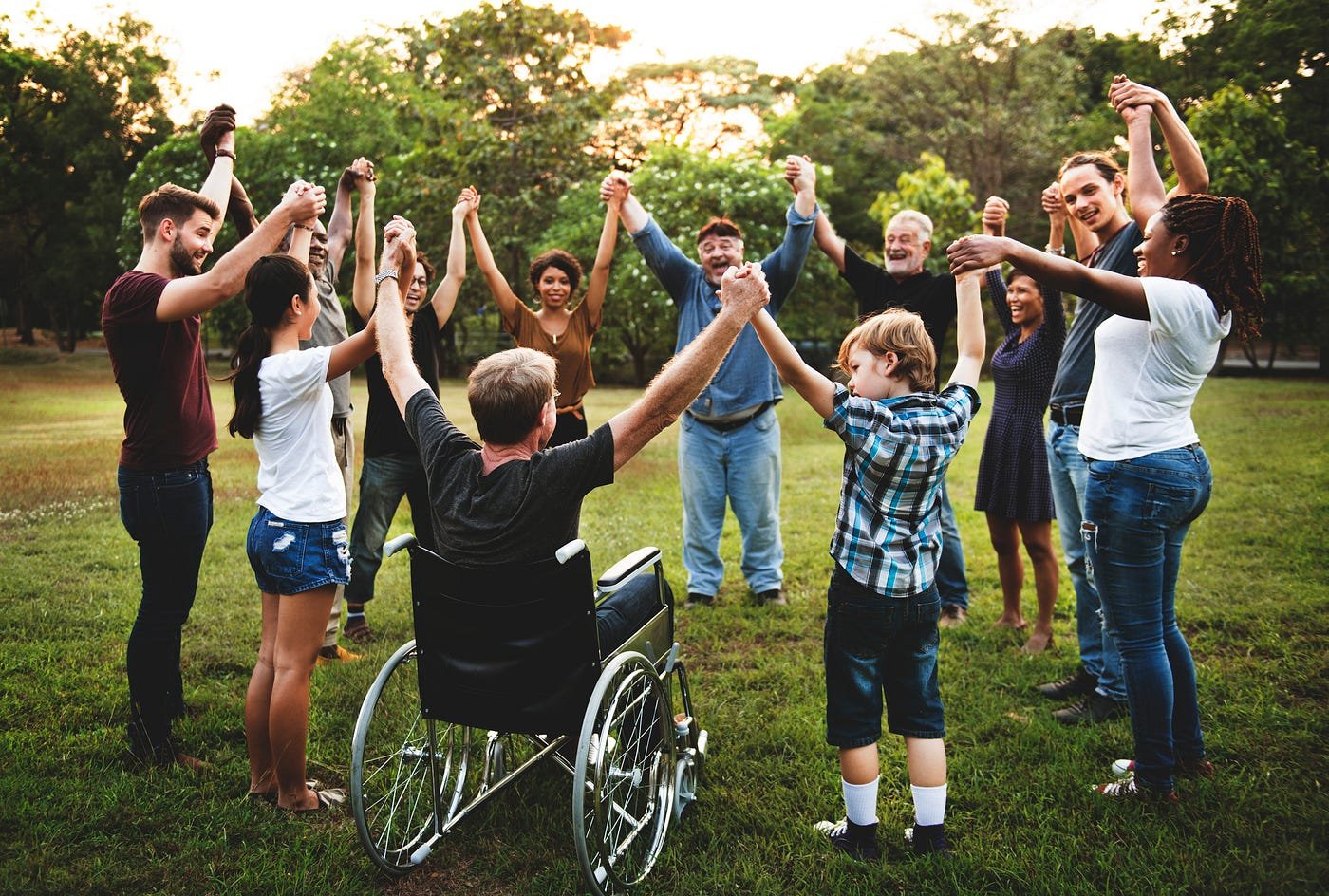
Community participation of communities is essential for improving the lives of individuals with disabilities. It is a chance to acquire new competencies, to form new relationships, to increase self-confidence and to become active and participating citizens. The National Disability Insurance Scheme (NDIS) offers a certain degree of support to help people be more involved in social, recreational, educational and community life.
If a person wants to become more independent in their social and community life or enjoy doing things, the NDIS Disability Community Participation will provide this support. Active involvement in activities in local clubs, social activities, volunteering or through recreation helps the community have some meaningful life experiences, which add to their quality of life.
In this blog, we will now take some time to explore how much the community can contribute to a person’s life and how the benefits of being involved in the community can be supported through funding in the NDIS.
What is Disability Community Participation in The NDIS?
NDIS Disability Community Participation is when you come into the community, into your community, or participate in recreational activities with the help of the NDIS. The purpose of supports is to help a person participate in activities to enrich his/her life based on his/her needs, interests and goals.
These are the principal aims: Decrease social isolation and increase integration and inclusion by providing an opportunity to engage in activity, something most people do as a part of their normal lives. Community involvement may vary and can include:
- Being a member of community organisations and activities
- Taking part in sports or fitness events
- Being able to practice skills at workshops and classes
- Performing a number of services in the community
- Group involvement (hobbies/interest groups)
- Going to local attractions and recreation facilities
- Taking part in learning activities
These sorts of opportunities enable people to gain a feeling of confidence and to make meaningful social connections.
Importance of the Community’s participation
Social inclusion is a prerequisite for emotional well-being, mental health and physical well-being. There are a number of barriers for disabled people that hinder their interactions with other people or involvement in community life. These challenges can result in a sense of isolation, decreased levels of confidence and fewer growth opportunities.
NDIS Disability Community Participation is a way to overcome these challenges by fostering and enabling participation as active citizens within the community. It promotes a sense of belonging and skill-learning in regard to independence.
Additionally, the community involvement allows the community to:
- Form lasting friendships
- Improve communication skills
- Develop self-confidence
- Learn new abilities
- Increase independence
- Experience personal achievement
- Individuals can strive to be involved in their community for a richer and more rewarding life.
Top Advantages of Participating in the Community Through the NDIS
1. Improved Social Connections
The greatest added value of participation in the community is developing new relationships. Developing social relationships can alleviate loneliness and a sense of community.
Group activities provide opportunities for people to make friendships out of other common interests, building a network of friends that can help foster a sense of overall happiness and well-being.
2. Enhanced Independence
The involvement of farmers’ group members encourages them to make decisions, venture into unfamiliar places and assume responsibility for a wide range of areas of their day-to-day lives. Over time, these experiences lead to confidence and independence.
They can learn skills to help them function and be more independent in their daily lives through disability community participation with the NDIS.
3. Skill Development
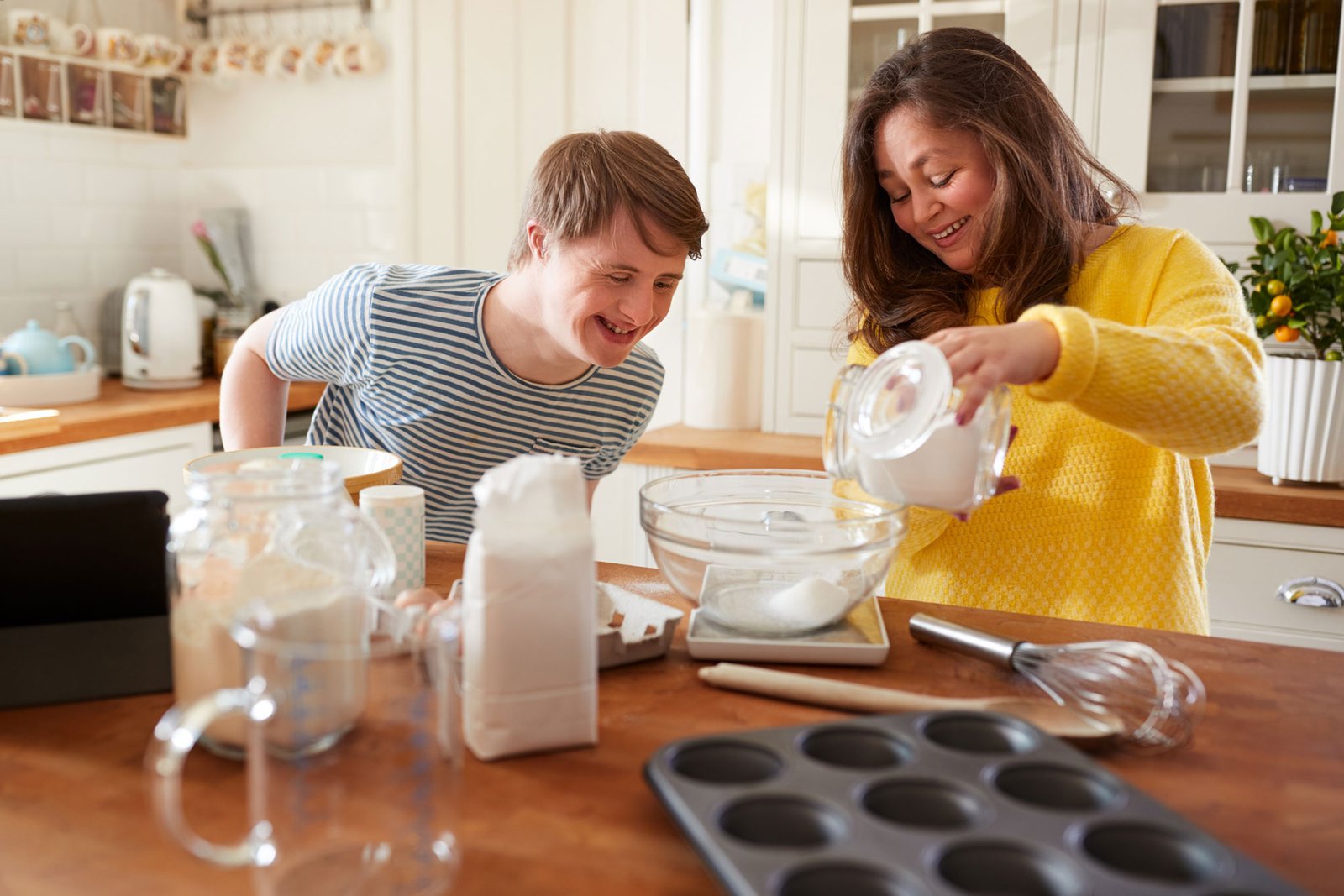
There are lots of community activities to learn new things or better ways of doing things. Be it cooking, art, technology, communication or teamwork, participants can learn skills that will help them in the future, both personally and professionally.
Skill-building activities can also help boost employment opportunities and social confidence.
4. Better Mental Health
Engaging in enjoyable activities and maintaining social connections has a positive impact on mental health. Frequently taking part in neighbourhood health and recreation activities can lessen stress, anxiety and isolation.
In an encouraging atmosphere, positive self-esteem and emotional strength are fostered.
5. Increased Physical Well-Being
Community participation programs often include an active element, for example, a sports program, a fitness class, a walking group, or a recreation outing. These activities help promote good health, mobility and fitness.
Exercising regularly also helps boost energy levels and create a healthier lifestyle.
Types of Activities That May Be Funded by the NDIS
There are various types of activities that may be funded by the NDIS for individuals or their carers to participate in their community.
The NDIS funds a broad range of activities to help support a participant’s goals and support needs. Examples of these are:
Social Activities
Social participation programs can include group outings, community events, social clubs and peer support groups. The activities will encourage the participants to engage with each other in a friendly atmosphere.
Recreational Activities
Sports, swimming, dance, music, art and outdoor trips may be offered as recreation. These activities, which encourage enjoyment, creativity and personal development.
Educational Programs
Users can try out courses and workshops to learn new skills, increase their literacy, get computer skills, or work on a different interest.
Volunteering Opportunities
Through volunteering, people can be a part of their community, build confidence, teamwork and gain valuable experience!
Skill-Building Programs
Work on communication, daily living skills, budgeting, travel skills training, and employment preparation may ease participants toward greater independence.
The Way That a Range of NDIS Supports Can Help You to Participate in the Community
The NDIS understands that each person with a disability has different goals and aspirations. Community participation funding is indeed often part of the capacity building supports or core supports based on the plan and needs of the individual participant.
Participants may require support from a support worker who can help by:
- Ensuring access to transportation to activities
- Providing event support for a person of interest
- Empowering participants to become more confident in social situations
- Help to communicate and interact
- How can I assist them in acquiring skills and achieving their objectives
Such supports allow the participant(s) to safely and comfortably participate in activities that are in line with their interests and aspirations.
Selecting an Appropriate Community Participation Program
The right choice of program is vital to the success of a positive and rewarding experience. Community participation choices should include those about:
Personal Interests
When working with the client’s own hobbies and interests, there is a higher motivation and enjoyment.
Individual Goals
Activities should be based on the participant’s NDIS goals; these may relate to social inclusion, independence, learning, or skill development.
Accessibility
Programs should be accessible and welcoming and offer supports/ accommodations as necessary.
Support Requirements
The participants are encouraged to think about the amount of support that they need to enable them to be able to take part successfully and safely.
But with the help of an experienced NDIS provider, you can discover programs that are suitable and create opportunities that will meet your specific needs.
The Enduring Effects of Community Involvement
The importance of community involvement is not limited to each activity. Participants can often experience an amazing boost in their confidence, independence, communication and quality of life in the long term.
Participation by people from the disability community in the NDIS opens up new opportunities to build and bring important relationships together and achieve things. People feel like they have a purpose in life when they get involved in their community more and more, and the more they feel a part of it.
This can lead to increased self-confidence, improved mental health, improved life skills, and more engagement in activities or work in schools.
Conclusion
Participating in the Disability Community with NDIS can be a very powerful way to enhance social inclusion, independence and individual development. The NDIS can enable people with disabilities to be active, connected and confident members of their community with access to meaningful things and with the right support from the NDIS.
Community involvement may include social events, fun activities, information events or service project opportunities that involve meaningful community experiences, will enrich lives, and bring people together. Participants can attain goals, develop valuable skills, and enjoy a more fulfilled and independent life through the proper resources.
FAQs
1. What is NDIS Disability community participation?
It’s a type of funding provided by the NDIS for people with disability to support them to engage in social, recreation/leisure, education and community activities so that they are more independent and socially included.
2. What NDIS community participation supports are available to people?
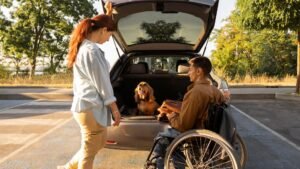
Participants in a plan who have funding for community participation supports now have the option of having a plan, programs and services that are related to their needs. For instance, should they require a dog to help with a disability, the plan will fund that, and they will have access to the dog when necessary in the community.
3. In community participation, what types of activities take place?
Activities include social, sports, arts, educational coursework, volunteer programs, hobbies and community activities.
4. Is a support worker available to offer support during community activities?
Yes, support workers can assist a person in their transportation, communication, activity participation, and personal care.
5. What and why does participation with communities add to the objective of increasing independence?
The ability to help people develop life skills, to build their self-confidence, decision making abilities and to be more involved in their daily activities.
6. Are recreational/social activities funded by the NDIS?
NDIS can support activities if related to goals and plan funds to support needed to be able to participate in activities.
7. Where is a suitable community participation programme?
It’s possible that you’ll need to seek assistance from your NDIS provider, support coordinator or community organisations to locate programs which complement your interests and goals.