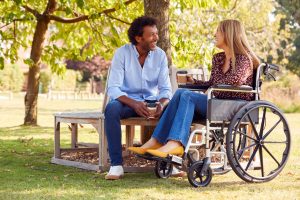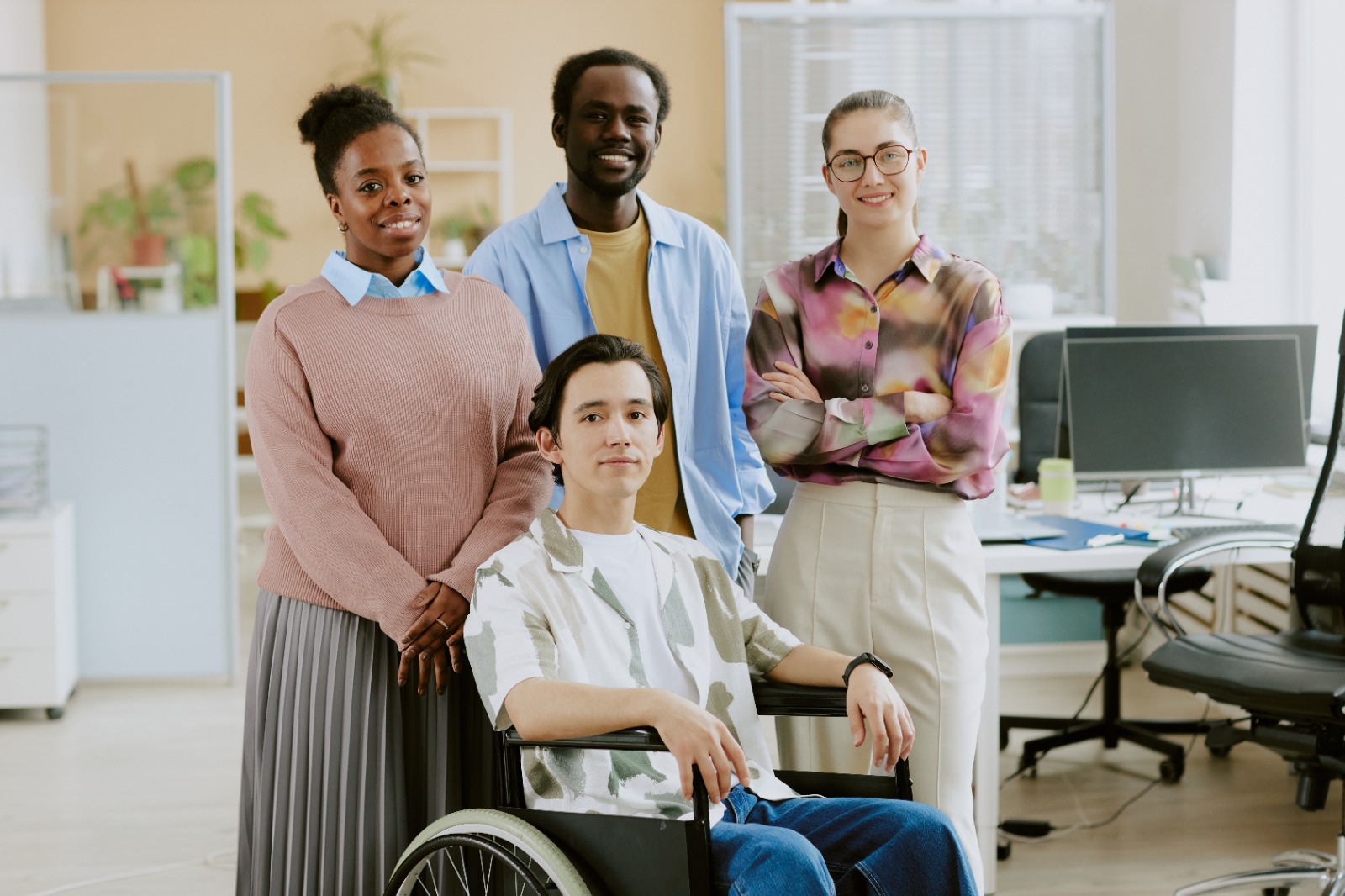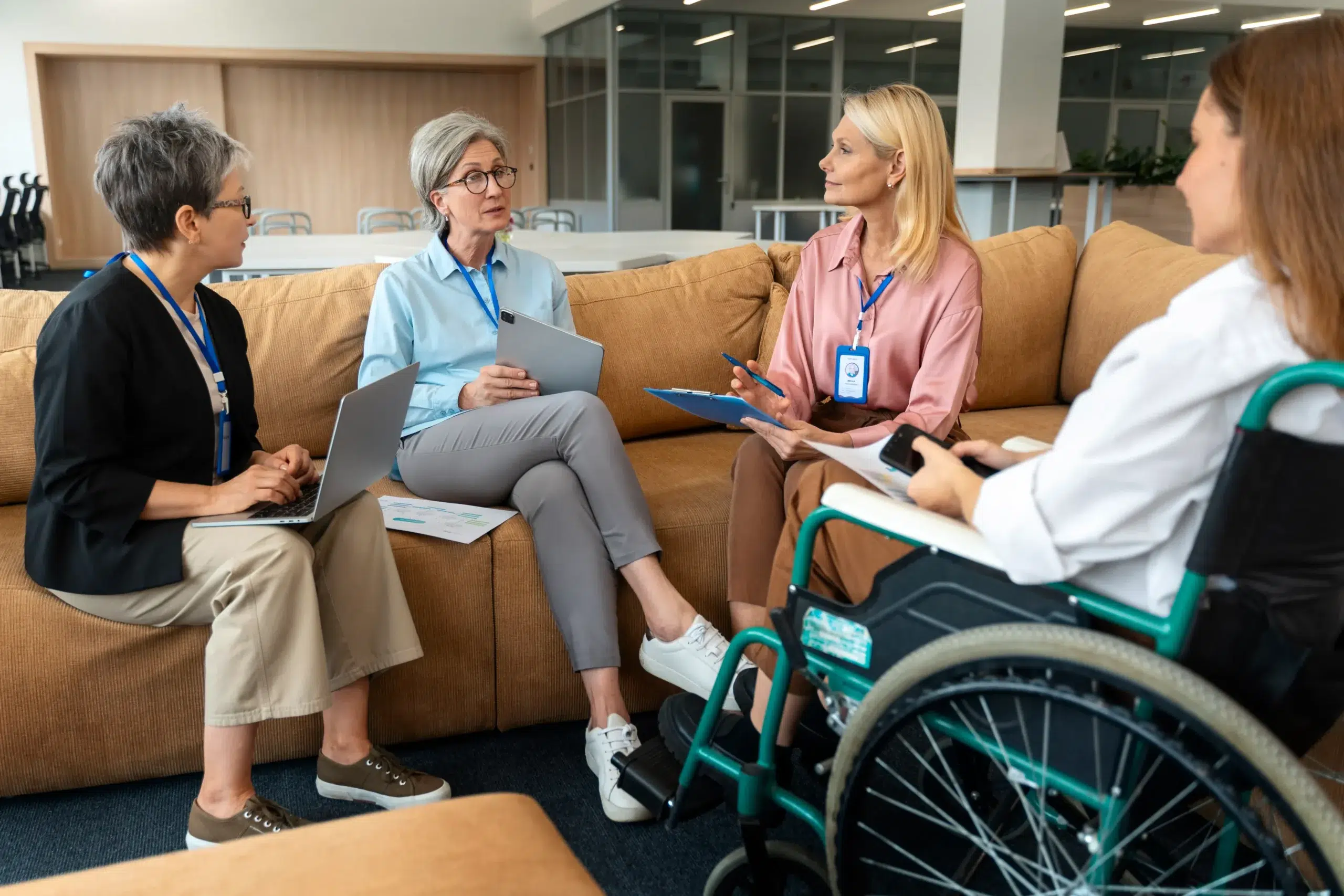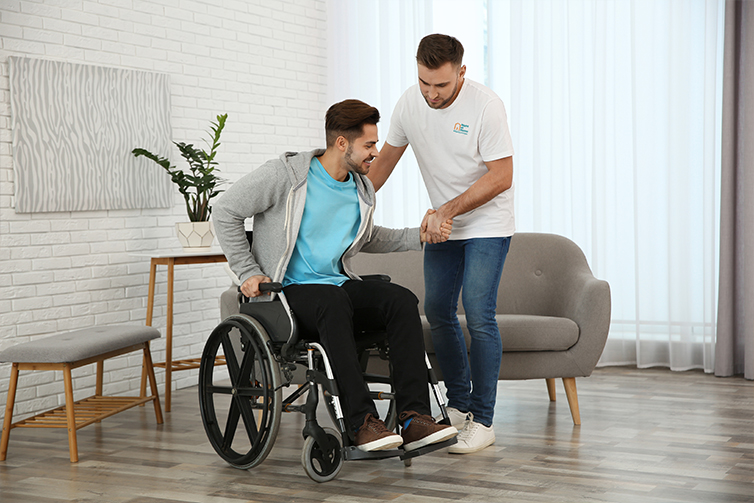

Community participation is a core value of the National Disability Insurance Scheme (NDIS). For many of the participants, participating in their local community isn’t simply about social interaction; it’s about independence, self-development and meaningful participation. The community participation NDIS supports aims to help people with disabilities actively engage in recreational, social, and cultural activities, fostering a sense of belonging and empowerment.
Through these programs, participants are provided with activities, resources, and support to engage with their community based on their interests, abilities, and goals. Whether it be participating in local clubs, volunteering or joining in recreational activities, the NDIS understands the important role that community participation plays in improving quality of life.
Understanding Community Participation NDIS
The community participation NDIS framework is based on providing participants with the tools, assistance and opportunities to connect with others and to experience everyday life. Participation may be as simple as attending a community garden, playing on a sports team or joining in local workshops. The goal is to eliminate the barriers that could hinder people with disabilities from participating fully in society.
NDIS funding for community participation is based on enabling experiences that will contribute to personal development, social skills and confidence. By participating, individuals improve their social networks as well as develop practical skills that boost independence levels.
Some examples of community participation activities under the NDIS are:
- Attending events and festivals in the community
- Joining groups of people with common interests or hobbies
- Giving back to the community through volunteering
- Joining sports and recreational programs
- Participating in educational/workshop skills
Each of these activities can be adapted to the NDIS plan of the participant who is accessing them, to ensure the support is personalised and has meaning for the participant.
Benefits of Community Participation NDIS
Participating in the community has great benefits for persons with disabilities. The community participation NDIS programs aim to enhance both mental and physical health, independence and social connections.
- Improved Social Connections: Getting involved with community groups and activities can help people to overcome isolation and make new friends.
- Skill Development: Participants can develop communication and teamwork skills and other essential skills in life.
- Increased Confidence: When they participate in activities, individuals increase their self-esteem and develop a proactive inclination.
- Better Mental Health: Social engagement has been shown to be associated with lower levels of stress, anxiety, and depression.
- Enhanced Inclusion: Community participation encourages equality, which enables individuals to make a meaningful contribution to society.
These benefits make it an important step towards holistic development and inclusion for participants to have community participation and NDIS support integrated into their plan.
How Community Participation NDIS Works
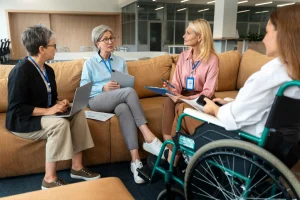
To access community participation services under the NDIS, participants work closely with their planners in inclusion goals and supports in their plan. The NDIS then funds supports to help participants to engage in activities of their choice.
Supports may include:
- One-on-one help when out in the community
- Group Facilitation in social/recreational setting
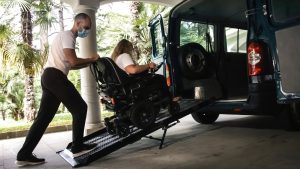
- Travelling There and Back: Transport to and from community events
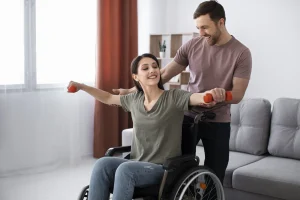
- Training and coaching for developing independent participation skills
The flexibility of community participation NDIS funding makes sure that each individual’s abilities and preferences are reflected in their individual support requirements. This personal approach ensures maximum positive effect of participation, safety and accessibility.
Selecting the Appropriate Community Participation Activities
Selecting appropriate activities of community participation is an important aspect of optimising NDIS supports. This means that when planning, participants should consider:
- Personal interests and hobbies
- Desired skill development
- Social goals – such as being able to make friends or join a team
- Accessibility and transport requirements
- Opportunities available for independence
By choosing activities that pertain to individual goals, the community participation NDIS approach helps ensure that each participant feels like they are participating in activities that are meaningful to them, rather than simply attending events for the sake of participating.
Role of Support Workers in Community Participation
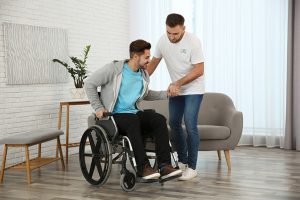
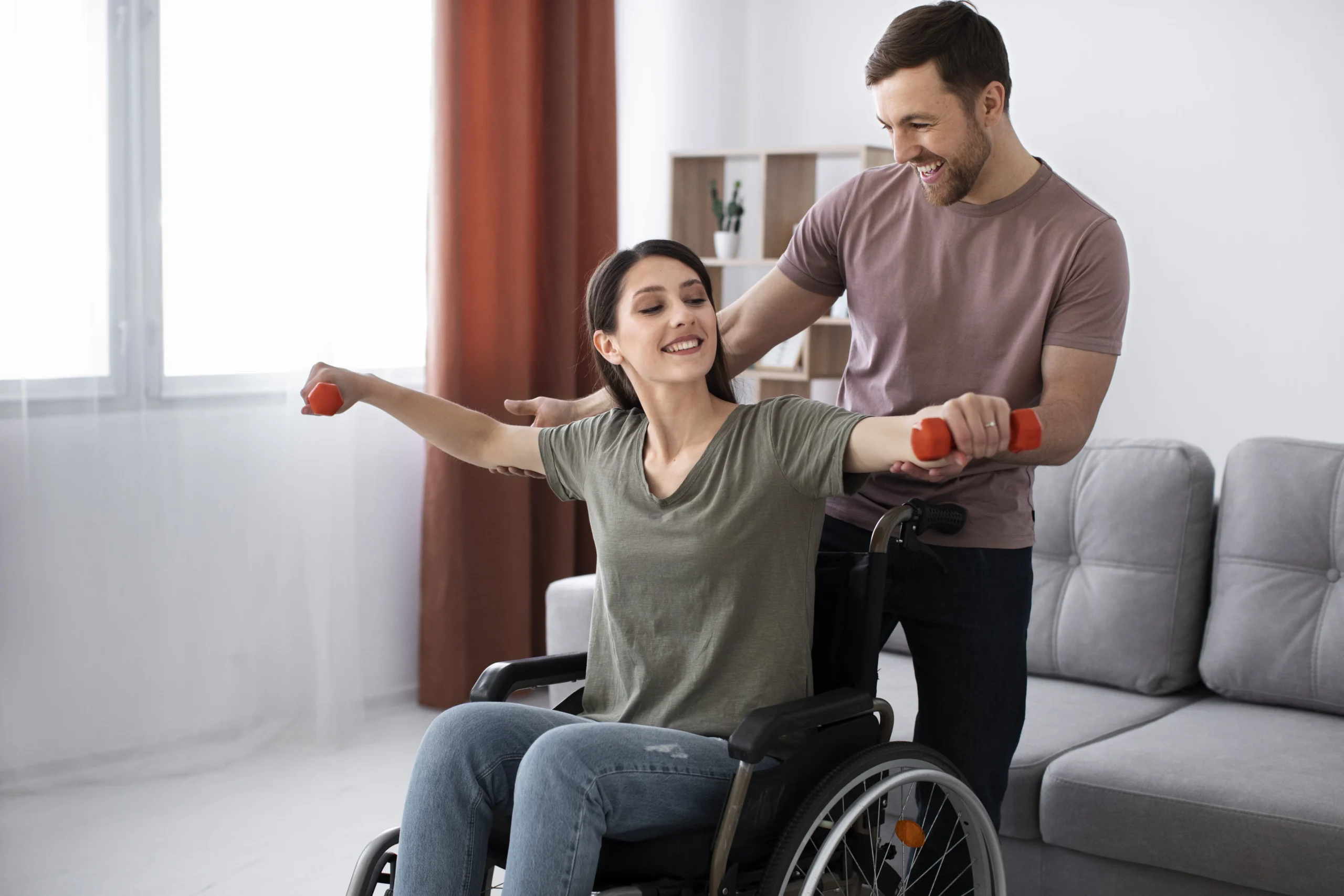
Support workers are instrumental in supporting the community participation of NDIS participants. They give instructions, convey transport, and practically support the participants to navigate unfamiliar environments and interact with confidence in the activities.
Support workers might assist participants to:
- Learn how to be socially skilled and to use etiquette
- Access public transport/community facilities
- Join local groups or events safely
- Develop competency in independent participation
Through these supports, the community participation in NDIS programs empowers the participants to become active members of their communities and make long-lasting social connections.
Overcoming Barriers to Community Participation
Despite these advantages, people with disabilities still frequently experience difficulties trying to participate in community activities. Barriers may include:
- Problems related to physical accessibility
- Limited transport options
- Social Anxiety or a lack of self-confidence
- Financial constraints
- Limited knowledge of local opportunities
The NDIS meets these barriers through targeted supports under community participation NDIS plans. By funding transport, supporting workers and providing funding for adaptive equipment, the scheme will ensure the participants can participate in their whole being without limitations.
Community Participation NDIS Personal Goals
Community participation isn’t just about participating—it’s about success. NDIS plans can include participation targets, which reflect an individual’s aspirations, whether that’s improving social skills, spending more time learning a new hobby, or volunteering in their local area.
Setting goals creates a structure that ensures community participation NDIS funding is being utilised effectively, and every activity must support broader goals for personal growth, developing skills, and being included in society.
Encouraging Family and Peer Involvement
Family members and peers are very important in supporting community participation. By having trusted people to take part in activities and events, people feel more comfortable about trying new activities and social events.
This collaborative approach ensures that community participation NDIS programs are not merely individual engagements but builds an inclusive network supporting long-term inclusion and confidence.
Measuring Success in Community Participation
Success in community participation is not gauged just by how many occasions are attended. The community participation NDIS approach has a focus on qualitative outcomes, such as:
- Increased confidence and independence
- Greater experience of social connections
- Acquisition of new skills
- Increased feeling of belonging and inclusion in the community
Regular reviews of NDIS plans are another process to ensure that supports continue to be relevant and effective for participants and remain relevant to them as they age.
Summary
Community participation is an important part of the NDIS, ensuring that people with disability are supported to participate, connect and thrive in their communities. Through personalised supports, skill development and access to an array of activities, community participation NDIS programs help participants to live more fulfilling, independent and socially connected lives.
Through whole-of-person support, the help of support workers and their families, by removing barriers, and by working towards personal goals, the NDIS gives us a framework for allowing meaningful community participation for anyone. Ultimately, it’s not only about community participation – it’s about being valued, participating, and taking life to the fullest extent.
For anyone who wants to improve their social engagement and participation in the community, investigating community participation NDIS opportunities is a key step to gaining independence, personal growth, and a sense of belonging.