
To most Australians with disabilities, making contributions to the community can prove to be difficult. Daily activities are not always easy to be involved in due to social isolation, inaccessibility, and the absence of specific support. This is where NDIS social community participation comes in, providing the support people require to connect, engage and prosper within their communities.
The National Disability Insurance Scheme (NDIS) aims to empower individuals with disabilities to lead good lives. Although funding may be applied to therapies, personal care, and equipment, the ability to contribute to social inclusion is one of the most significant features of the NDIS. The social community participation of NDIS participants is provided to enable them to access activities and services that contribute to social engagement, the enhancement of their independence, and a sense of belonging.
What is NDIS Social Community Participation?
In essence, NDIS social community participation aims at assisting persons in participating in social and recreational activities in their communities. This may involve going to local events, joining climbing clubs, taking part in sporting activities, volunteering, or just having fun together with other people.
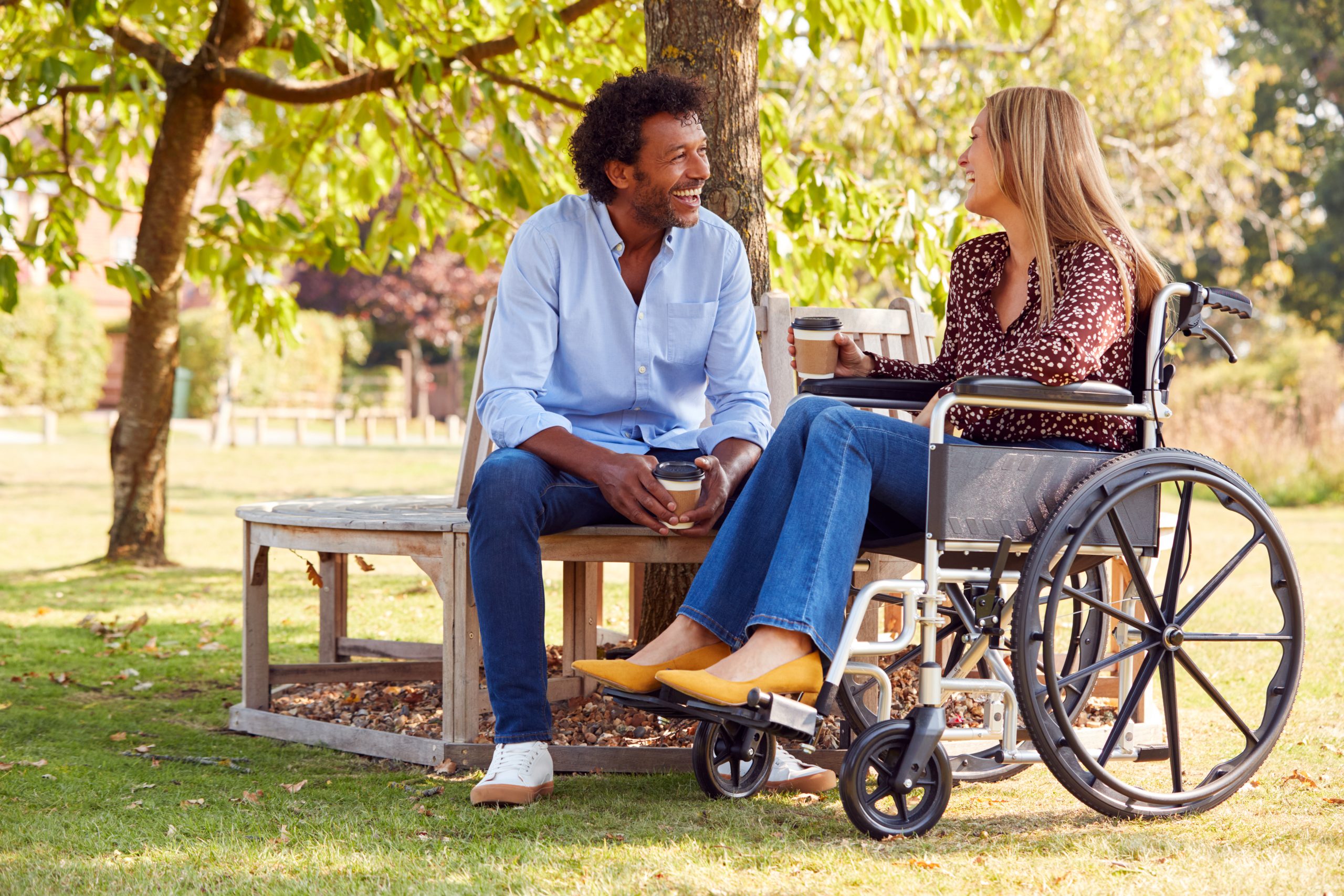
The intention is not merely to attend events per se, but rather to build meaningful relationships, build confidence, and find a sense of meaning. Being part of the community can greatly boost mental and physical health and overall well-being.
The Support of NDIS to Social Community Participation
The NDIS offers monetary aid in particular support categories to promote social interaction. Depending on the needs of the individual participants, such supports might include:
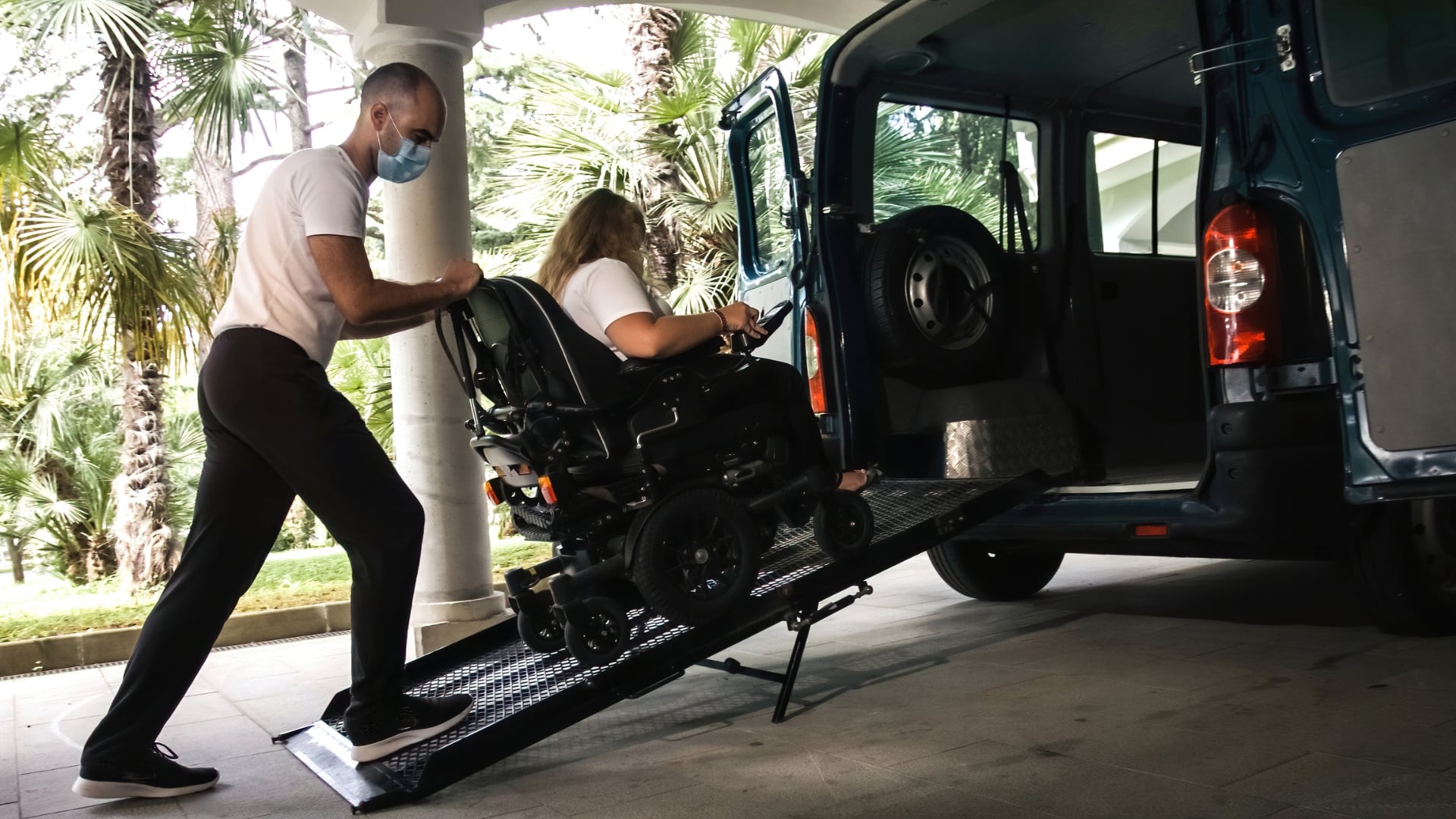
- Transportation: Supporting participants in arriving and leaving community-related events, appointments, or activities.
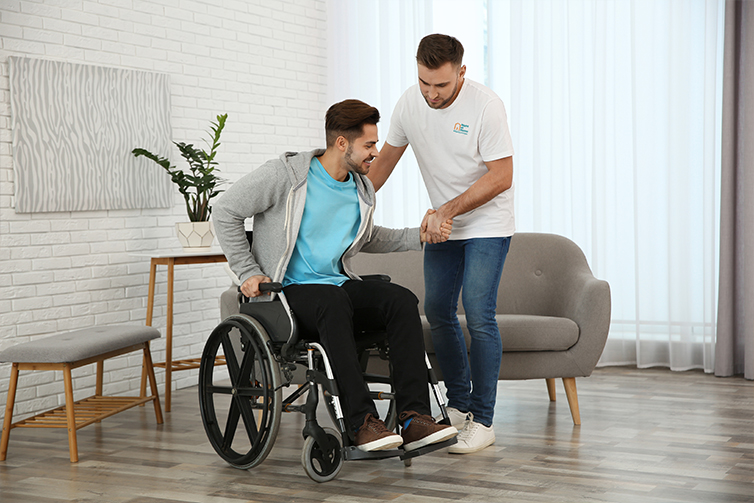
- Support workers: Helping with one-on-one or in groups during community participation.
- Skill-building programs: Communication, social, and recreational skills can be taught to help the person become more independent.
- Community access programs: Organised programs that are operated by local organisations and promote attendance of recreational, cultural or educational activities.
Through such supports, the NDIS will help participants avoid being marginalised because of mobility challenges, social anxiety, or other limitations. Such efforts foster non-discrimination, enabling people to live active, interconnected lives.
Advantages of Social Community Participation
There are many advantages that come with people living with disabilities, and these include:
- Minimised isolation: The creation of networks and friendship minimizes loneliness.
- Better mental health: Social interactions have been found to improve a person’s mood, reduce stress, and enhance self-esteem.
- Increased autonomy: Developing confidence in the operations in the social environment and places.
- Skill development: Acquisition of new skills by way of a recreational or educational program.
- Health and wellbeing: Exercises and social interactions can enhance the overall health outcomes.
For participants, NDIS social community participation does not simply provide a visit to an activity; it is an avenue for positive inclusion and self-development.
Social Community Participation Activities
The activities to be included in NDIS social community participation vary by the interests and abilities of the people participating. Some examples include:
- Participation in local festivals and markets or other cultural events.
- Participation in the hobby group, either arts and crafts, music, or gardening.
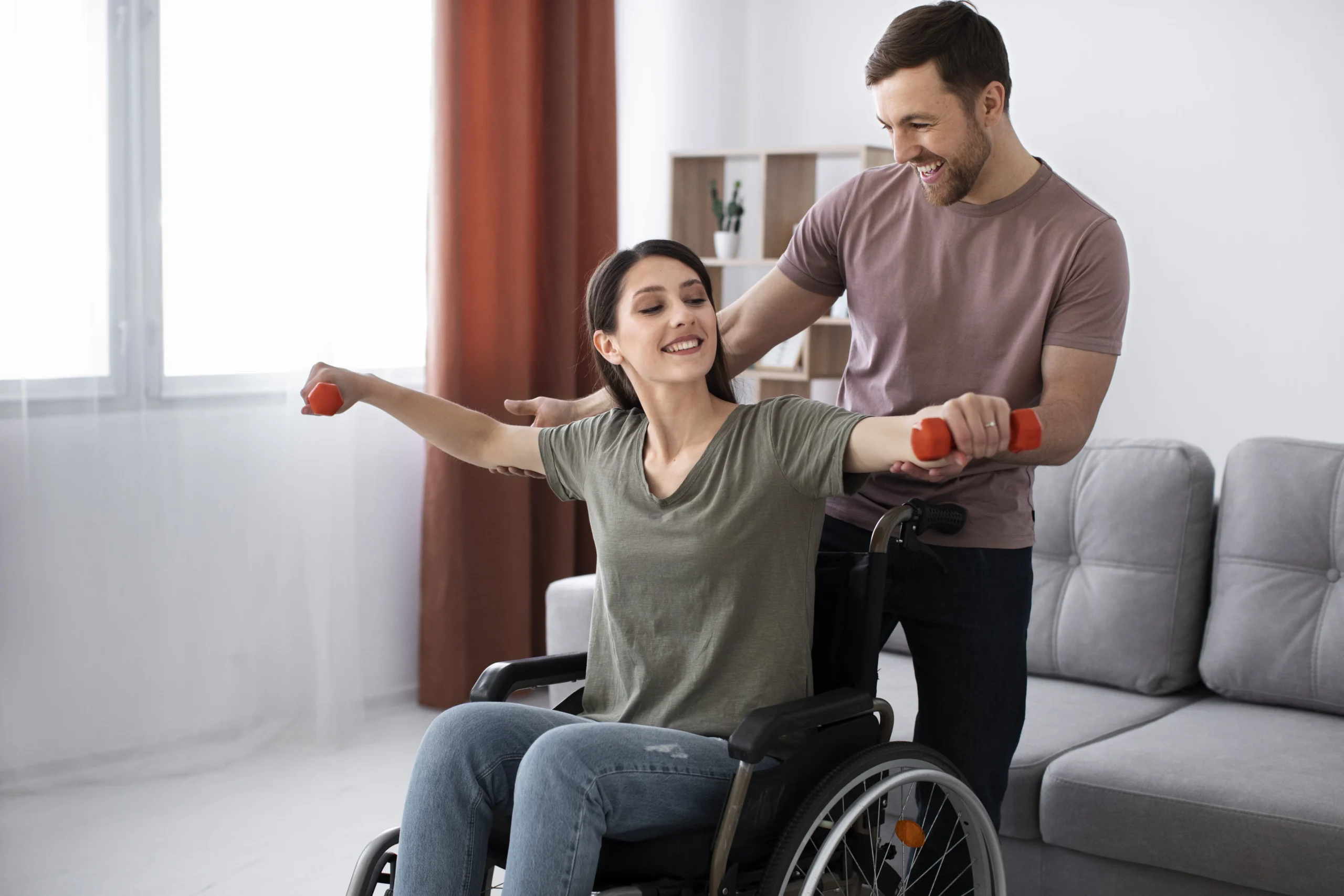
- Engaging in leisure activities or physical exercise.
- Working with community organisations as a volunteer.
- Participation in life skill or educational workshops.
- Peer support groups or social clubs around the same experience.
Each participant’s plan is individual, and activities are tailored to the participant’s goals, interests, and support needs. This personalised strategy makes it more interactive, and the benefits are sustainable and significant.
Maximising Community Participation Tips
To enable participants and families to enjoy the best of their NDIS social community involvement, the following points can come in handy:
- Determine individual objectives: Visualise the activities you like and what you want to achieve by participating.
- Collaborate with your NDIS planner: This ensures your plan captures your social objectives and covers the costs of applicable supports.
- Begin smaller: Timely participation in community work to develop confidence and comfort.
- Use local resources: Community centres, libraries and disability organisations usually have readily available programs.
- Use peer support: Joining groups with other participants can boost motivation and socialisation.
Through strategic involvement, one can have active participation, gaining confidence and autonomy.
Getting Past Obstacles to Engagement
Even with the assistance provided through the NDIS, social inclusion obstacles may still emanate. Common challenges include:
- Poorly available transportation.
- Shyness or poor self-esteem.
- Ignorance concerning existing programs.
- Physical obstructions at the social locations.
These issues may require integrating individual strategies and NDIS-funded services. As an example, employing a support worker, providing community transport services, or offering a skill-building program would go a long way toward breaking the barrier.
The Contribution of Families and Carers
Family members and carers have an important role in promoting NDIS social community participation. They can be involved in the participant’s participation by:
- Helping with transport or with the schedule.
- Promoting involvement in activities that are in line with individual interests.
- Helping with the events or excursions.
- Disseminating objectives and preferences to NDIS planners.
Through interaction with participants and service providers, families and carers can help ensure that social engagement is accessible, enjoyable, and sustainable.
Measuring Success
The effectiveness of NDIS social community participation is determined by a participant’s capacity to engage in meaningful community activities. The signs of success may be:
- Attending more activities in the community.
- Increased social confidence and self-reliance.
- Enlarged social networks and acquaintances.
- Increased satisfaction and wellbeing in life.
Reviewing NDIS plans every now and then helps participants monitor progress and make necessary adjustments to supports.
Conclusion
The role of NDIS social community participation is a vital aspect of the National Disability Insurance Scheme, and it aims to help participants lead connected and full lives. The NDIS will help people with disabilities become active in the community, build relationships, and become self-sufficient by funding supports, capacity-building, and available programs.
The social participation of participants, families, and carers is not just about attending events but also about creating a purposeful, connected, and happy life, developing and improving skills, and ensuring inclusion.
Frequently Asked Questions Regarding NDIS Social Community Participation
1. What is social community participation in NDIS?
It is supported funding from the NDIS that assists participants in participating in social, recreational, and community activities.
2. What are the criteria for social community participation funding?
Participants of the NDIS who consider social engagement an objective in their plan will have access to funding for such supports.
3. What are the activities that this support covers?
Examples of activities include attending events, joining groups for hobbies or sports, volunteering, and participating in educational programs.
4. Is it possible to employ a support worker to be involved in the community?
No, NDIS funding does not provide individual or group participation support workers.
5. What is the benefit of this support to the participants?
It works against isolation, gives self-confidence, develops skills and enhances wellbeing.
6. Is it possible to include families or carers?
Absolutely. They are able to support in transportation, time organisation, promotion, and contact with the NDIS planners.
7. What is in my NDIS plan for social community participation?
Talk to your NDIS planner about what you want to achieve and make sure that your plan gets the relevant funding.
8. Does it have local programs to aid in participation?
The answer is yes, community centres, disability organisations, and other local councils have easy access to activities.