Getting to work and a doctor’s appointment or a friend’s BBQ for most Australians takes hardly a thought. The trip is the most difficult part of the day for an individual with a disability. Unexpected absences of ramps, buses that don’t have space for a wheelchair, or an inaccessible taxi can make a day trip into a logistical challenge.
The good news is that good and reliable disability transport services are more available in Australia than ever before, and knowing how they work could give you back your independence, your social life and control of your time. It will inform you about the various main choices, funding and what to search for within the provider, as well as how to book with confidence.
Getting There Makes A Difference
Transport is the core of many aspects of the lives of people with disabilities, with the Australian Bureau of Statistics reporting that about one-fifth of Australians live with disability. It’s the difference between getting to a job interview, a physiotherapy session, a community group or simply a Sunday visit to family.
When travelling isn’t a safe option, appointments aren’t made, social networks contract and carers face additional pressures. It works well, and people get choice, routine and dignity. For this reason, accessible transport is a necessity that is not a luxury. Every other form of support is dependent upon it; it’s the quiet foundation that makes everything work.
Choosing Your Wheels: Major Methods of Active Transportation
Public, private and community-based options are available in Australia. The answer is based on your mobility requirements, your budget, your destination and frequency of travel.
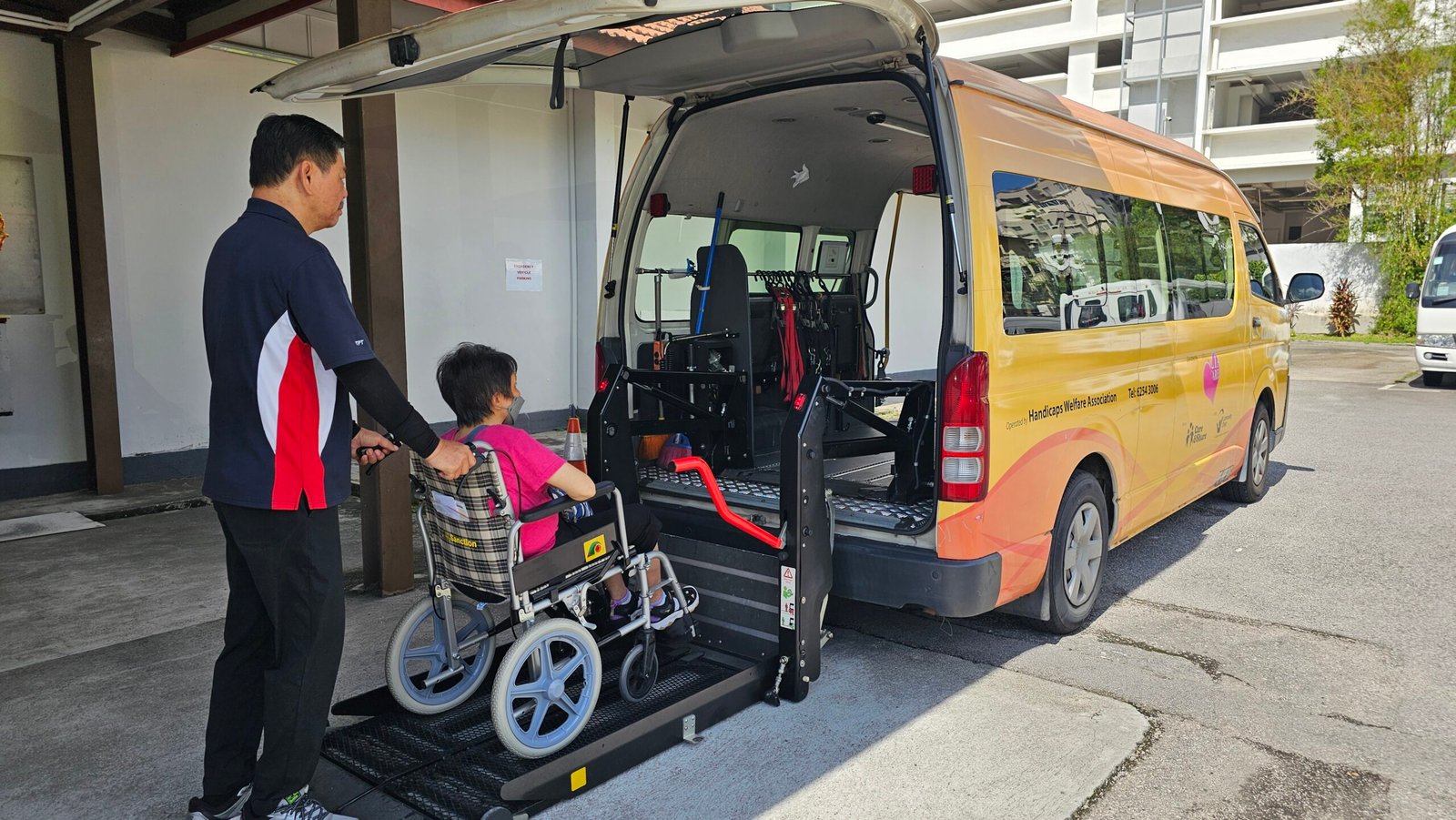
Any person with the ability to use a wheelchair can find a ride to their destination in one of the wheelchair accessible taxis or ride shares. Wheelchair accessible taxis (WATs) have a ramp and/or hoist and will secure you and your chair safely while you are travelling. A number of states and territories also have taxi subsidy programs that reduce the fare for those who qualify. But in some cities, there are good options with the rideshare service, although limited service is available outside major centres.
What is your job at Door-to-Door Specialists?
Private disability transport companies offer flexibility in making bookings for appointments, work, shopping and social outings, as well as trained drivers and purpose-built vehicles for the use of people with disabilities. Many are registered NDIS providers, and there may be plan funding available to support participants’ trips.
This is for anyone who requires additional support when boarding and exiting a car or truck. A service for people who would like to travel by car, but are reluctant to or unable to drive themselves.
There are council, not-for-profit and council-initiated, but volunteer community transport services available for low- or no-cost rides for those unable to use public transport. They are particularly useful in rural areas where taxis might not always be available. Registration for services may be required prior to the start or may be dependent upon disability or age, etc.
Public Transport: A good place for people with disabilities was most of them.
The accessible public transport standards are being increasingly implemented in trains, trams, buses and ferries throughout Australia. They are equipped with ramps, priority seating, tactile and audio indicators. Concession passes (and in some cases the Companion Card) will help the person and their support worker save money.
There’s still a way to go, so be sure to put a path to the test before using it.
Support That Rides Along: Training, Companions and Modifications
For some, you need more than just a car. Travel training is always available to teach the skills of train and bus travel, and assistance can accompany you on the journeys you choose; if you want to drive, then it may be possible that the vehicle can be modified or there may be a driver assessment.
Discuss with your OT or support coordinator what examples of these might be relevant to your goals, and if these will be a part of your plan.
Who’s responsible for what? Funding, subsidies, and the NDIS.
NDIS funding for transport is typically linked to core supports and determined by individual circumstances – and whether you are able to access public transport, work or study. It normally should only be used for additional costs resulting from being disabled, not all travel.
Before spending the money, please review your plan and consult your support coordinator/planner regarding how your budget is to be applied.
There are also taxi subsidy schemes operating in state and territory governments which are outside of the NDIS, for example the Multi Purpose Taxi Program in Victoria and the Taxi Transport Subsidy Scheme in New South Wales.
Community transport can be arranged for older Australians through My Aged Care, and some patients may be eligible for assistance for longer trips to medical appointments via their state patient travel schemes.
When looking for transport services for disability needs, engage with your providers to find out what funding sources they take and how they bill.
Please note that funding rules and subsidy rates are subject to change; please check with the NDIS, your state transport authority or your local council prior to booking.
Choosing a provider you can trust: Before you hop in.
Even a slick site isn’t enough. Prior to registering, go over this listing:
- Vehicle suitability: Ensure the wheelchair/scooter has appropriate size/weight, tie-downs and a secure ramp/hoist.
- Driver training: Find out if they have up-to-date first aid, safe manual handling and disability awareness training programmes, and if they have implemented necessary screening checks.
- Transparent pricing: Enquire about base fares, per kilo rates, loading times, waiting time, night charges and cancellation fees.
- Take advantage of their track record: Check out reviews, and inquire about what will occur if the vehicle breaks down or a driver is late.
- Easy booking – phone, SMS and an App can be used for a variety of communications.
- Credentials + cover: verify NDIS registration (as necessary) and insurance.
Do not hesitate when it comes to requesting a test drive. The finest handicap accessible transport will happily answer queries and will gladly demonstrate their reliability before you make a commitment.
Stress-Free Trips by Design: Booking Tips that Save Stress
Just a little preparation goes a long way. Get these habits in place that will make each trip relaxed and predictable:
- Make appointments ahead of time, or schedule a recurring appointment for weekly appointments or work.
- It is crucial to communicate basic information first, such as: type of mobility device, need for any assistance animal and whether it is needed at pick-up.
- Double-check pick-up and drop-off locations, particularly at hospitals and shopping centre entrances.
- Leave a buffer time in case of unexpected delay to avoid missed appointments.
- Receipts and trip data will be kept for easy claims and reimbursements.
- Store an alternate provider in your phone that can be called if your primary provider is out.
Engage in a partnership with the transport service for a person with disability. The more information you provide, the more seamless each trip will be.
Beyond the Bitumen: Rural, Regional and Remote Journeys
It is different outside the capital cities, with distance as the key. There are not always accessible taxis available, and public transport is not always available; specialist appointments are not always possible and can be hours away.
Community transport, volunteer drivers, and government patient travel schemes come into play as lifelines here. Plan ahead as much as possible, as well as check with your local council for services available, and speak with your health care provider to minimise the need for extended travel.
Understand your rights; the law is on your side!
The Disability Discrimination Act 1992 makes both types of discrimination against people with disability illegal. The Disability Standards for Accessible Public Transport include minimum standards for vehicles, stops and information. In most places, assistance animals are also protected.
Any issues raised can be dealt with by a complaint to the operator as a first step, followed by the Australian Human Rights Commission or state anti-discrimination agency.
Get ready when you’re ready: Take the first step today
Never be independent whether a ramp is or isn’t in the right place. The challenge of getting around Australia is very achievable with the correct combination of taxis, specialist services, community programs and public transport.
Firstly, check out funding, make a shortlist of two or three providers, then make a trial trip. Regardless of which type of transport services for disability you pick, the objective is the same – to get where you have to go as well as related to the persons at your most important occasions securely and on your own terms.
FAQ’s
What does disability transport refer to in Australia?
Accessible transport in Australia includes wheelchair-accessible taxis, specialist door-to-door services, community transport, accessible public transport, and funded transport (NDIS-funded transport). These options are for individuals with mobility, sensory, cognitive or psychosocial support needs. Each state, funding source and community has different availability, eligibility and costs.
Is there an NDIS payment for transport?
Yes, transport can be funded in the NDIS plan for some eligible participants, typically under core support services. Funding is subject to need, based on the individual’s situation, such as whether they can make use of public transport or be able to travel on their own due to the disability.
Contact your support coordinator to understand how the transport budget can be used, or for more information on your plan.
How to book a handicap accessible taxi in Australia?
To use a handicapped accessible taxi, use any local taxi services; just call the company or use their local taxi booking app and ask for a handicap-accessible taxi. Provide pickup address, destination address and wheelchair information. Make an appointment well in advance as there are fewer accessible cars than there are ordinary cars, particularly in rural areas.
Who can take advantage of taxi subsidy programs in Australia?
Each state and territory sets its own eligibility requirements, but the schemes will typically provide for individuals who find it hard or impossible to use public transport due to their disability. Must have been verified by a doctor or professional; generally awarded a card/membership. Look on your state transport agency’s website for the most up-to-date criteria and subsidy limits.
Am I able to take advantage of public transportation and cabs with my assisting animal?
Yes. The Disability Discrimination Act (1992 and 2006) prohibits discrimination for most people travelling to and from destinations with a trained assistance animal on public transport, in taxis and in rideshare vehicles. Depending on the state, accreditation and/or ID may be required.
If denied, claim with the operator or an anti-discrimination organisation.
Who can use community transport and what is it?
Community transport is a generally inexpensive, often volunteer-driven service to assist individuals with a travel need who are unable to travel by using public transport or via self-driven motor vehicle travel. Operated by Councils and non-profit organisations. This is typically the case for older Australians and people with disability, who are often eligible, and you usually need to register before you make your first trip.
When should I make my booking for accessible transport?
Bookings should be made at least 24-48 hours in advance for one-off trips and one week or longer at busy times and locations. If you schedule a regular appointment or need a service, request a standing booking to be sure your ride will be booked. The sooner you reserve, the better your chances of receiving a suitable vehicle.