
The NDIS is likely to have been heard on the TV news, at the school gates or by a friend who supports people with disability. However, for a lot of Australians, the specifics remain somewhat murky. You’re not alone if you’ve ever used the term NDIS on a search engine, and you’ve asked the right question.
This guide describes what the Scheme is, who can join, what it pays for and how to take the first step. No jargon and no runaround.
The Short Answer Before the Long Story
So, what does NDIS mean in simple terms?
The National Disability Insurance Scheme (NDIS) is a program of the Australian Government to provide funding for individualised support for people with permanent and significant disability. It is run by the National Disability Insurance Agency (NDIA).
It aims to empower people to enjoy a greater sense of independence, autonomy and to participate in the community and achieve their own objectives.
The term insurance is important. The Scheme doesn’t offer a fixed service to everyone; it sees things in a lifelong perspective. It takes an investment in the supports that a person needs to develop skills and participate in daily life.
As at 30 June 2026, the Scheme had 782,013 participants.
A Scheme That Was Born from a Simple Idea: Nobody Should Cope Alone
Prior to the NDIS, disability support in Australia was a patchwork. Services were not the same in every state; waiting lists were long, and families frequently had to bear the burden on their own. The system was previously underfunded and split up by the 2011 Productivity Commission inquiry. It advocated for a national plan based on choice and control.
The NDIS was introduced as a trial scheme in 2013 under the National Disability Insurance Scheme Act 2013, and is now in place across Australia. Commonwealth/state and territory funding. The most significant change was a change of mindset, with the person with disability at the centre of decisions, rather than the service system.
Who Gets a Seat at the Table? NDIS Eligibility in Plain Terms
There are three layers of requirements: age, residency and disability.
Age
Must be under 65 years at the time of application. Supporting children under 9 is possible via an early childhood approach.
Eligibility for Residency
Must reside in Australia and have Australian citizenship, permanent residency or a Protected Special Category Visa.
Disability
Your disability needs to be a permanent condition which significantly restricts your ability to move around, communicate, learn, socialise or look after yourself.
The impairment may be intellectual, cognitive, neurological, sensory, physical or psychosocial.
leapinndis
Early Intervention
Some people are eligible as a result of the early supports that are likely to reduce their future support requirements.
There is no income or asset criterion for eligibility.
These are extra features for older people: Participants who reach age 65 are no longer enrolled in the Scheme, and those aged 50 can opt-in to aged care supports.
How to Apply for the NDIS
The goal of this module is to help students understand how to apply to a health-related profession without being overwhelmed. The application process is simpler than one would presume.
- Check your eligibility. The NDIS website has a quick checklist to help you get started.
- Gather your evidence. Your treating health professional fills out part of the Access Request Form, and pre-existing reports or assessments may be included.
- Lodge your request. You can either contact a local NDIS partner, phone 1800 800 110 or fill out the Access Request Form yourself.
ndis - Get ready for your planning meeting. Consider your objectives, issues, and who supports you currently.
- Receive your plan. It describes what supports you are receiving that are funded and how your funding will be used.
- Select providers and get going. You are responsible for selecting who is providing your supports.
Take copies of all. Good records = easier the next step.
What Does NDIS Funding Really Do?
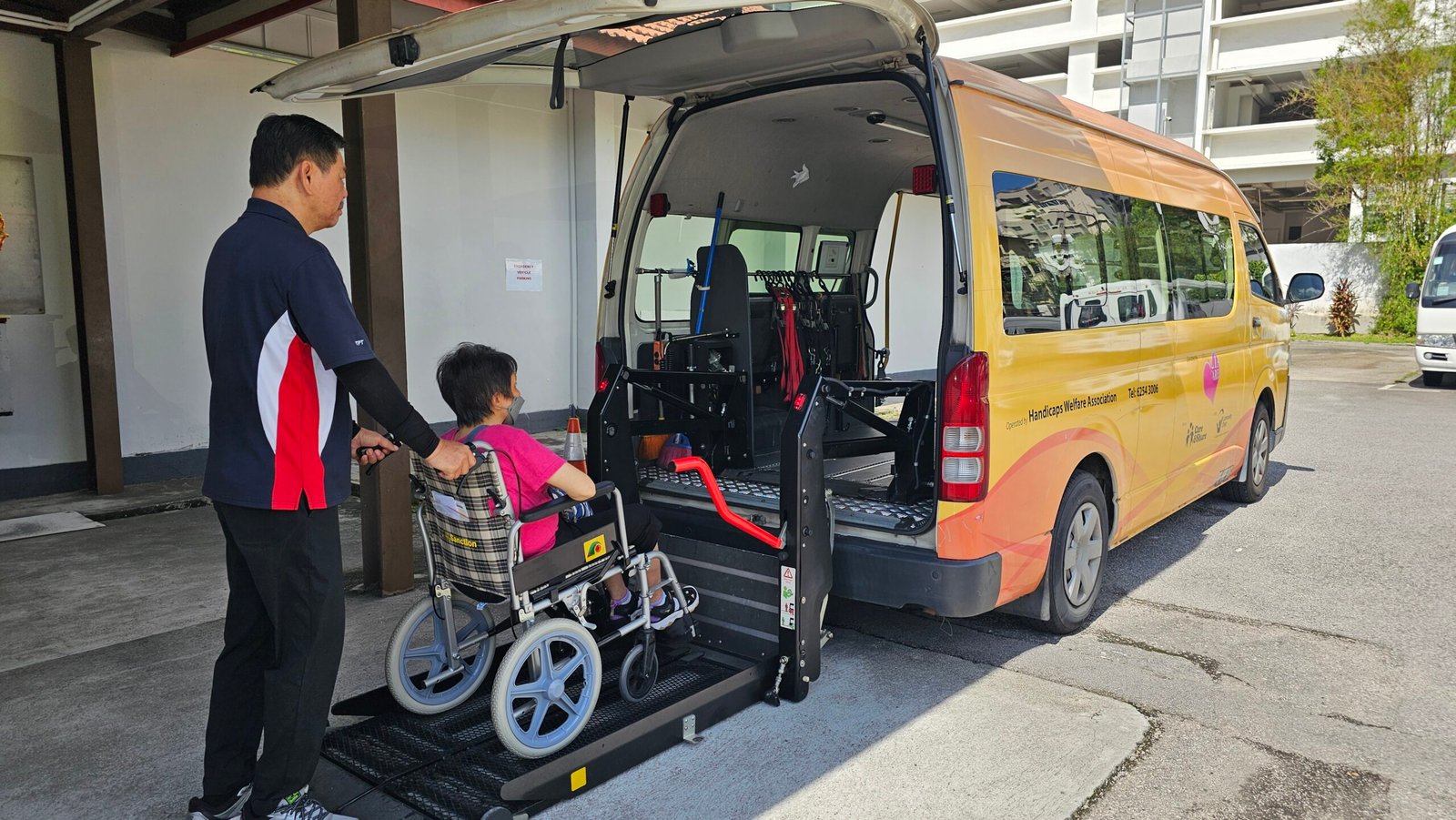
In addition to ramps and wheelchairs, the NDIS will also cover a wide range of other supports and services.
So what does funding for the NDIS really do?
Put simply, it reimburses for supports that are reasonable and necessary due to your disability. They should be related to your disability; assist you in achieving your goals; provide good value; and not be a duplicate of other systems.
Common examples include:
Daily Living
- Personal care
- Household help
- Supported independent living (for some)
Therapy
- Occupational therapy
- Physiotherapy
- Speech pathology and psychology
Equipment and Homes
- Support with assistive technology and/or home modification
Participation
- Community activities, study and employment support
Planning
- A planning coordinator who can assist you to implement your plan.
Typical costs of day-to-day living, like groceries or rent, are generally not covered by the NDIS. It is also not applicable to supports for which the health, education or other government systems are responsible.
Who Has the Wallet?
There are three methods for managing your funding:
There are three ways to manage your funding:
Your plan includes a choice with regard to how your funds will be managed, and you may be able to combine some of the options.
Registered Providers
You use registered providers and the NDIA pays your providers.
Plan Managed
You can use registered or unregistered providers, and a plan manager will pay invoices and monitor your budget.
NDI plans have been replaced by plan managers.
Self-Managed
You have to pay the providers yourself, and then report the expenses back. This offers the most flexibility along with more responsibility.
No matter which one you select, make sure to have invoices that are neat. Participants and providers must now keep records of NDIS claims, with new requirements.
What Participants Say: Real Lives, Real Numbers
Numbers are not everything, but they are very important. 83% of people aged 15 years and over report an increase in choice and control due to the NDIS. Meanwhile, many of the families find the planning process slow or complex.
The groups in the sector say that reform needs to focus on addressing misuse and poor quality but not forget the people the Scheme is there to help.
Ensuring a Scheme in Motion: The Reforms Reshaping the NDIS
When you ask what the NDIS in 2026, the answer is this: The Scheme is changing.
The National Disability Insurance Amendment (Securing the NDIS for Future Generations) Act 2026 commenced on 27 August 2026, making changes to plan reassessments, administrative matters and the NDIA and ministerial powers.
The Government states that the intent is to ensure the Scheme continues to fulfil its original purpose of supporting people with permanent and significant disability and is sustainable.
Thriving Kids Is the Grandest of Headlines for Kids
This program for children (aged 8 and under) with developmental delay or autism will be rolled out in phases from 1 October 2026.
Children with permanent and significant disability or greater support needs will continue to be supported by the NDIS. New applicants will have access changes over the next few years; a new planning framework for participants is planned.
Myths That Deserve Retirement
“NDIS Is for People That Use Wheelchairs.”
It includes intellectual, cognitive, neurological, sensory, physical and psychosocial disability.
“They Require That the Applicant Have a Low Income.”
The Scheme is available to all eligible persons (who are not based on income and assets criteria).
“The First Claim Is a Diagnosis That Is Associated with Access.”
Being medically diagnosed as having a disability does not necessarily mean you qualify, but whether the disability has a significant impact on your daily life and is likely to last a lifetime does.
Your Next Step Starts with One Conversation
Access to the support they need to live a life to their full potential on their terms is Australia’s national commitment to people with permanent and significant disability. The first step is to understand it. The second is to take action on it.
If you believe that you or someone you know might be eligible, have one conversation. Discuss with your GP and/or treating practitioner what evidence you will need. Then contact a local NDIS partner or phone the NDIS on 1800 800 110.
This article provides general information only, and please refer to ndis.gov.au for the most up-to-date information. The booklet makes a wonderful addition to your child’s book collection.
FAQs
What Is NDIS in Australia?
The NDIS (National Disability Insurance Scheme) is an Australian Government initiative that provides funding for support for people with permanent and significant disability. The National Disability Insurance Agency (NDIS) delivers it and provides individual funding for therapies, personal care, equipment and other supports that can help eligible participants live independently and participate in the community.
Who Can Access the NDIS?
Must be under 65 at the time of application, reside in Australia and be an Australian citizen, permanent resident or Protected Special Category Visa holder. Disability requirements apply, which require a permanent impairment that has a significant impact on activities of daily living or the early intervention requirements must be met. Support for early childhood is available for children below 9 years old.
How to Apply for the NDIS?
An Access Request is made by making contact with a local NDIS Partner, calling 1800 800 110 or filling out the Access Request Form. Part of the form is completed by your treating health professional, and you provide supporting evidence, for example, reports. If you are determined eligible, you will have a planning meeting to construct your plan.
What Does the NDIS Support?
Reasonable and necessary supports are funded by the NDIS for disability. Personal care, therapy, assistive technology, home modifications, community participation, employment support and support coordination. It typically does not pay for daily expenses like food, shelter or cover for the provision of health and education services.
Do You Have to Pay for the NDIS?
No. There is no cost to enter the Scheme or to be eligible for supports in the approved plan, and eligibility is not income or asset tested. The Commonwealth and state and territory governments fund the Scheme. They have the option to purchase additional supports beyond their plan at their own expense.
What Is the Difference Between the NDIS and Disability Support Pension?
The NDIS is for disability supports and services, e.g. therapy, personal care. A lump sum payment from Services Australia (Centrelink) that can be paid to eligible people who have medical and other requirements to provide financial assistance with living expenses.
They are independent programs, and some people have both.
How to Manage NDIS Funding?
There are 3 options available, and they can be used in combination.
NDIA-managed funding: The NDIA pays registered providers for funding provided through the NDIA.
Plan-managed funding: When you have a plan manager, they process your funding invoices and monitor your budget.
Self-managed funding: You’re able to pay providers yourself and get your money back; it’s the most flexible and record-keeping.