To establish relationships, be confident and have a fulfilling life are things that everyone wants to achieve, and so too the individual living with disabilities. NDIS social and community participation is one of the most beneficial supports available. The support category aims to help participants interact with the community, acquire life skills, and build meaningful relationships that contribute to overall wellbeing.
This blog will focus on the meaning of NDIS social and community participation, how it works, what activities are included, and how it can positively change the day-to-day lives of NDIS participants.
What Is Social and Community Participation in NDIS?
In essence, NDIS social and community participation aims to help individuals with disabilities participate in social, recreational, and community activities. These supports are targeted at minimising social isolation and enabling participants to develop confidence, independence, and social skills.
This is not clinical or personal care support, but participation support: being involved in meaningful, enjoyable, interest-focused, and goal-related activities. It understands that social inclusion is a fundamental requirement to mental health, emotional and lifelong independence.
The importance of Social and Community Participation
Humanity is an important factor in life. To most individuals with disabilities, it can be difficult to engage in social activities due to the absence of accessibility, confidence or support. These barriers are managed through NDIS social and community participation, which provides organisational support tailored to the individual’s needs.
Key benefits include
- Better mental and emotional states.
- Growth in confidence in the social environment.
- Communication development and interpersonal skills development.
- More sense of belonging and community association.
- Increased autonomy in everyday life.
Through community engagement, individuals can explore their interests and acquire practical skills that help them achieve their long-term objectives.
Which Activities Are Involved?
The NDIS-funded social and community participation supports may be very flexible. They are selected based on the participant’s interests, abilities, and goals. Within the context of NDIS social and community participation, there may be:
- Participating in local events or social organisations.
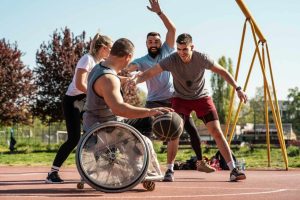
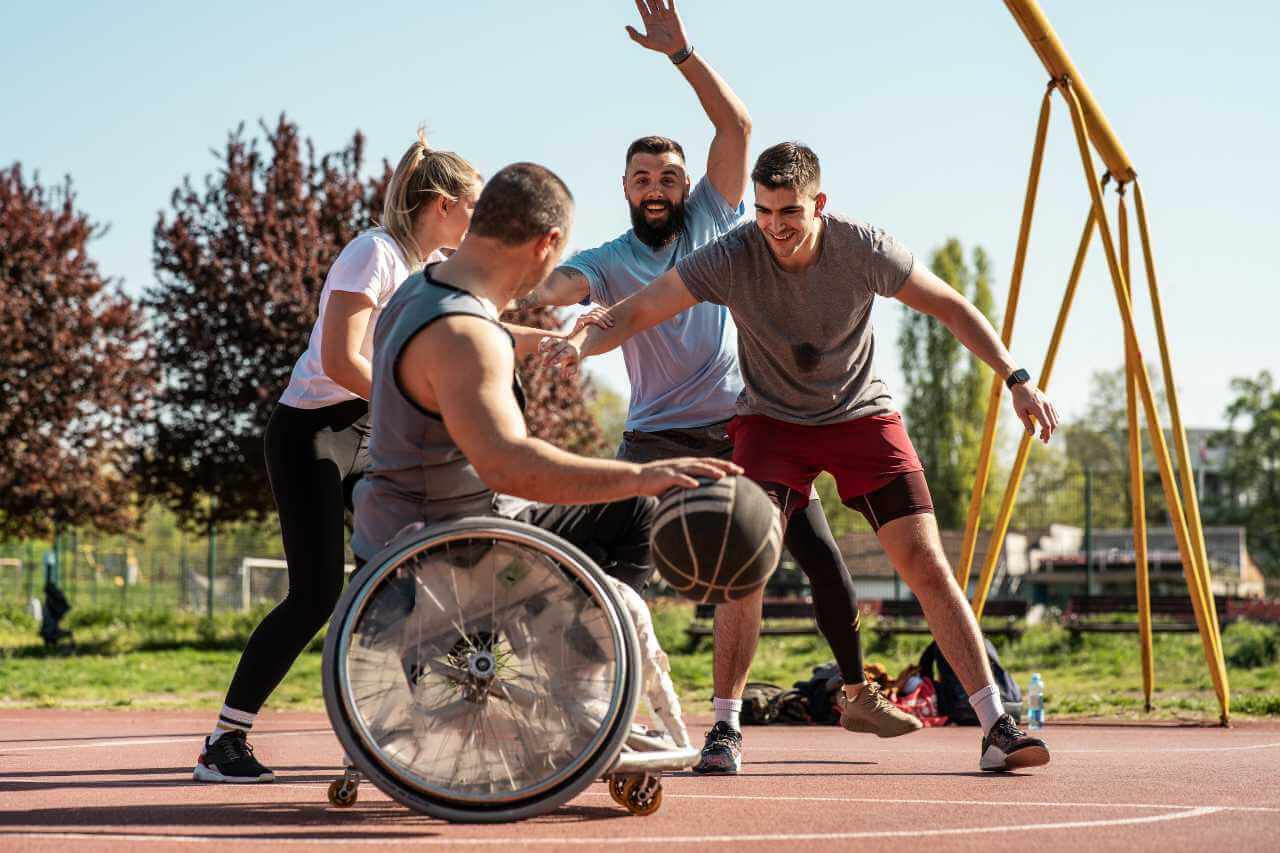
- Participation in sports clubs and recreational programs.
- Engaging in creative events, artwork or music.
- Education in life skills such as budgeting, cooking, and travel.
- The pre-employment exploration or volunteering.
- Developing trust in social places such as shopping malls or libraries.
It is not about the activity per se, but about its results, confidence, skill development, and meaningful engagement.
It is the Support of Individual vs Group Participation
NDIS social participation can be provided through one-on-one or group work, depending on the participant’s preference.
One-on-one participation provides personalised attention, which is suitable for those who might be overwhelmed by groups or who have a specific personal objective, such as learning to use public transport independently.
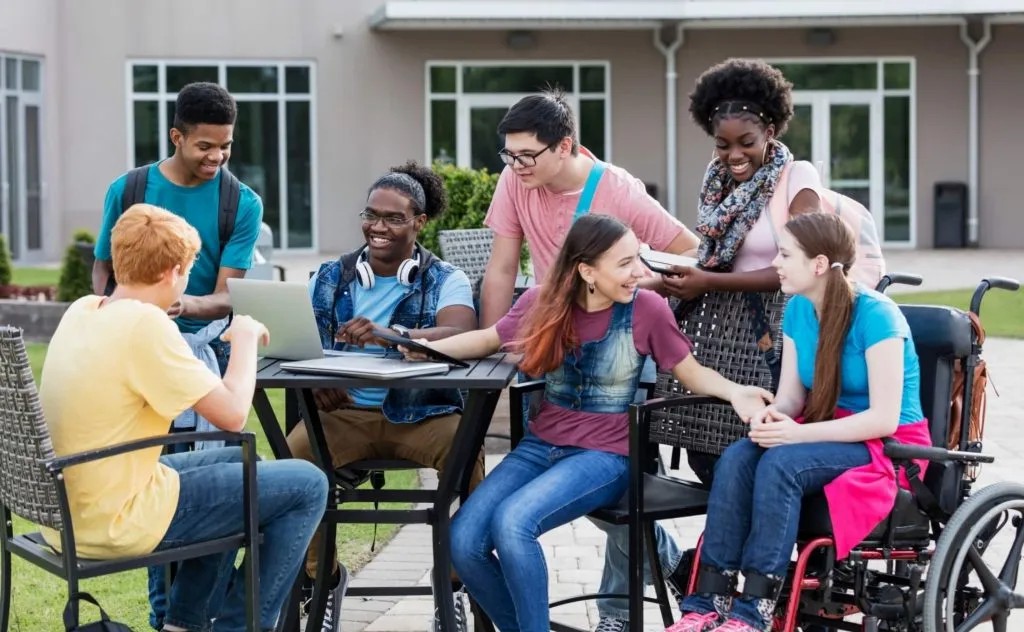
Participation in groups, conversely, allows people to meet new people, make new friends, and develop social skills in a friendly atmosphere. A combination of both methods is beneficial to many participants of NDIS social and community participation.
The funding of These Supports in an NDIS Plan
Social and community participation funding will typically be either Core Supports or Capacity Building, depending on the objectives set out in the participant’s NDIS plan.
The One core support is intended to provide the support needed to attend activities and be part of society daily. The design of Capacity Building aims to help participants acquire skills, confidence, and independence that will be useful in the long term.
The allocation of NDIS social and community participation funding can be identified with the assistance of your NDIS planner or support coordinator, and in which way it can be utilised effectively to suit your objectives.
Role of Support Workers
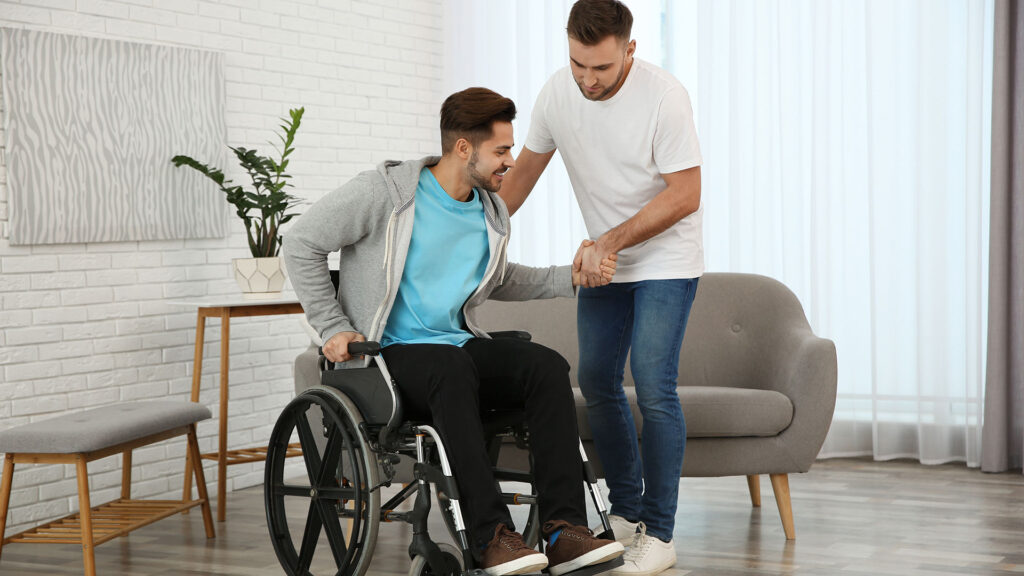
One of the providers of these supports is the support workers. They not only follow the participants around but also promote independence, confidence and skill.
A good support worker will
- Promote option and decision making.
- Modify activities to individual needs.
- Develop positive confidence through positive reinforcement.
- Encourage self-sufficiency and not dependency.
- Adhere to individual boundaries and tastes.
The support workers also help participants get the most value from NDIS social and community participation through a trusted relationship, so that activities are enjoyable and empowering.
Developing Trust with Time
Confidence does not occur immediately for many participants. Regular participation in social and community activities will help individuals gradually become comfortable with new surroundings and circumstances.
The smallest successes, like ordering a coffee on your own, attending a group meeting, or initiating a conversation, can bring significant changes in your personality. Over time, participants usually become more confident in expressing themselves, making decisions, and finding their way in the community without assistance.
This slow development is vital to achieving long-term independence and self-confidence.
The selection of the Right Activities
To be successful, it is critical to choose the approved activities. This participation should be based on the participant’s interests, culture, and individual goals. What is meaningful to one individual might not be meaningful to another.
In the selection of activities, we must take
- Individual interests and hobbies.
- Social comfort level
- Employment or independent living is an example of long-term objectives.
- Transport and physical accessibility requirements.
The freedom of NDIS social and community participation enables participants to discover new interests while ensuring they do not lack support or feel unsafe.
Long-term Effect on Autonomy and Quality of Life
With time, the long-term effects of active participation in community-related activities may be positive. Participants usually have higher self-esteem, develop communication skills, and have better relationships with others.
Most importantly, these supports enable individuals to move beyond mere attendance at activities to actual belonging within their communities. When properly guided and given opportunities, NDIS social and community participation will lead to lasting independence and a fuller life with more connections.
Conclusion
Community and social participation in NDIS is not financially centred, but participation and power, inclusion, and choice. These supports can be used to build trust, capabilities, and enduring affiliations by helping people interact in meaningful ways with the community.
It can be the ability to belong to the local community, the acquisition of new skills, or, more broadly, a sense of safety in social circles; social and community activities provide the means for NDIS participants to live their own way.
FAQs
What is social and community participation in NDIS?
The NDIS social and community participation helps people with disabilities take part in social, recreational, and community activities. These supports will focus on building confidence, independence, and meaningful relationships within the community.
Who is entitled to getting social and community participation supports?
Social, community participation, and other benefits may be offered to any NDIS participant whose plan includes resources for goals such as social interactions, community participation, self-confidence, and skill development.
What can be funded with these supports?
Part of the activities will include attending community-based activities, social or recreational groups, sports or creative programs; learning life skills; volunteering; and building confidence in community settings such as shopping malls or libraries.
Could there be an individual or a group provision of social and community participation?
Yes, support can be provided by a single individual or a group. The choice will be made based on a participant’s preferences, comfort, and personal goals, and the combination of these determinants is perceived as advantageous by a vast number of participants.
Inclusion of Social and community participation in NDIS?
Further financing is offered either through Core supports or Capacity Building, depending on the participant’s objectives. An NDIS planner or support coordinator could help with the choice about how to allocate and use the funding.
The question is, what is a support worker in social and community participation/partnership?
The support workers assist participants by helping them become more independent, customising activities, building confidence, and ensuring individual participants feel safe and supported when undertaking community activities.
What are the long-run positive gains of the social and community contribution?
As an active component of normal participation, it can lead to higher self-esteem, more communication, greater independence, and a stronger sense of belonging, helping participants live more meaningful and connected lives.