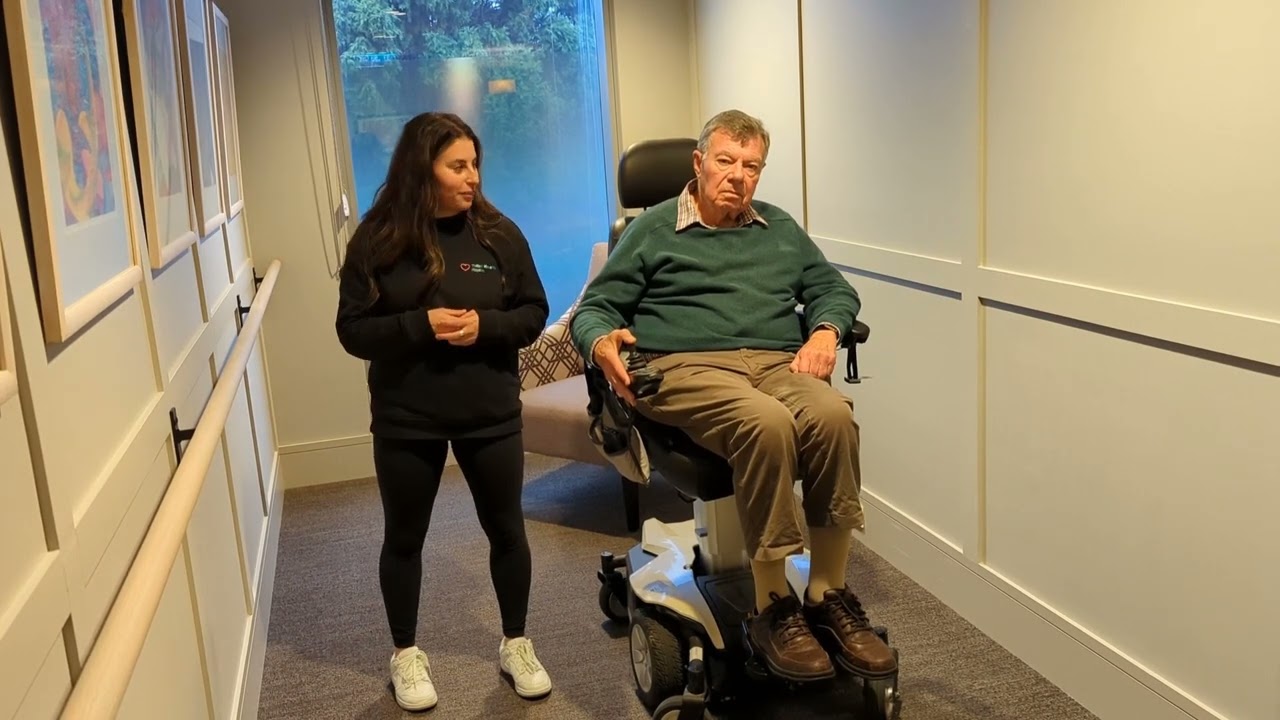
Aged care solutions are in demand in Australia as the population ages. Elderly people are constantly seeking ways to remain independent, safe, and comfortable at home. This is the area changing the scene: NDIS tech home care seniors services are integrating technology with personalised services and care. Aged care smart technology in Australia is transforming the home care experience, incorporating smart sensors, virtual health monitoring, and more.
Technological Revolution in Home Care
The seniors traditionally depended on the physical presence of carers in their homes to get the care they needed. Although human interaction cannot be ignored, technology has now been added to these services, making care more effective and personalised. The NDIS tech home care seniors solutions uses a combination of wearable sensors, smart home, and health applications to assist in monitoring wellbeing in real time.
And, as an illustration, vital signs such as heart rate, blood pressure, and activity could be monitored by wearable devices. These machines warn carers and family members whenever an abnormality occurs, allowing the issue to be addressed in time. With lighting, heating, and appliances, smart home systems enable elderly individuals to control devices using voice commands or mobile applications, simplifying daily routines and ensuring their safety.
The Major Strengths of NDIS Tech Home Care Seniors Services
Increased Safety: First is the risk of falls among the elderly. Falls can currently be detected by smart sensors and monitoring devices, allowing carers to respond promptly. The presence of motion sensors, door alarms, and automated notifications will reduce risks and provide peace of mind for the elderly and their families.
Enhanced Independence: Technology gives the elderly the independence they need to manage their daily lives without close monitoring. Medication, appointment, and hydration reminders can be provided by voice-activated assistants, ensuring self-sufficiency.
Personalised Care: Under the NDIS tech home care seniors solutions, care plans can be aligned with an individual’s needs. Data from smart devices changes relationships among healthcare providers, and the rapid availability of data allows them to tailor support and interventions to current information.
More Expert Health Monitoring: Remote monitoring enables the carer and healthcare professional to monitor health trends over time. It can reduce hospitalisations and more effectively control chronic conditions through a proactive strategy.
Less Caregiver Workload: Technology reduces the workload of family caregivers by automating mundane tasks, ensuring the elderly receive adequate care even in the caregivers’ absence.
Aged Care Smart Tech Australia Offers
To provide care for older adults, Australia has incorporated smart tech innovations in aged care to assist elderly individuals living independently. It can be seen in some famous ones, such as:
- Smart Wearables: Fall detection watches, GPS trackers, health monitors, etc., are devices that offer constant monitoring of vital signs. These devices are frequently linked to the carers’ smartphones, and the carers are at peace.
- Voice-Activated Home Systems: Virtual assistants and smart speakers can turn on the lights, appliances and alarm and give medication and appointment reminders.
- Telehealth Services: Video visits with healthcare professionals enable seniors to receive medical guidance in the comfort of their own homes and, as a result, avoid travelling and the risk of exposure to infection.
- Automated Medication: The smart pill dispensers will ensure that seniors receive the correct dose on time and notify the user and carers in case of a missed dose.
- Environmental Detection: Sensors are used to detect changes in temperature, smoke, gas leaks, and water leaks to ensure that seniors are not exposed to potential dangers in their homes.
The NDIS in Home Care Technology
The National Disability Insurance Scheme (NDIS) is key in ensuring that home care is provided to seniors through technology. The NDIS enables seniors to incorporate devices and systems that will facilitate independent living through funding innovative solutions. Under the NDIS tech home care seniors programs, participants have access to funds for:
- Maids and smart appliances.
- Health surveillance devices.
- Social interaction technology.
- Smart system integrated modifications to homes.
This not only improves the quality of life but also reduces the cost of long-term care by avoiding accidents and hospitalisation.
Overcoming the Obstacles to Tech-Enabled Care
Although the advantages of aged care smart tech Australia are obvious, one should also bear in mind that there are a number of challenges:
- Digital Literacy: This issue could lead some seniors to experience difficulties embracing new technology. To implement them effectively, user-friendly interfaces, clear instructions, and constant assistance are needed.
- Privacy and Security: Smart devices gather important health data. It is important to provide the highest level of data security and ensure compliance with privacy rules.
- Cost: While numerous devices can be financed through the NDIS or other government programs, the initial setup of smart systems can be expensive. Accessibility is associated with subsidies and grants.
- Technical Support: It is essential to have reliable technical support so that device malfunctions and other connectivity problems can be easily fixed and ongoing care is available.
Looking to the Future
The future of home care in Australia is digital. NDIS tech home care seniors programs will only keep growing with the development of the artificial intelligence revolution, robotics, and Internet of Things (IoT) technology. Already in sight are innovations such as AI-based health checks, robotic aids for mobility and daily activities, and predictive fall-prevention analytics.
Also, the incorporation of social engagement technologies will ensure that seniors do not feel lonely, as they will be in contact with their families, friends, and communities. This holistic approach is what renders technology not only a product to enhance safety but also a means to improve general wellbeing.
The Correct Smart Technology to Use with the Elderly
Considering the relevant technology is critical. Take into consideration the following steps:
- Acknowledge Personal Problems: Determine daily problems, movement problems, and health problems. This ensures that the devices and systems used are relevant and useful.
- Talk to Professionals: Interview healthcare providers, occupational therapists and NDIS coordinators about appropriate technology solutions.
- Testing and Feedback: Provide ways for seniors to test devices and give feedback to make them usable and comfortable.
- Training and Support: Be explicit with guidelines and tutorials, and continue to be supportive so people can adopt and embrace using technology.
Conclusion
The way seniors live independently is changing due to the introduction of NDIS tech, home care services, and aged care smart tech solutions in Australia. Technology and personalised care can provide seniors with safer, healthier, and more connected lives. Smart technologies in the home can improve everyday life, reduce stress and caregiver pressure among caregivers and relatives, and include everything from fall sensors to telehealth.
Access to digital innovations in the provision of aged care has also led Australia to adopt this technology, as evidenced by the ease with which seniors can receive support for independence, safety, and wellbeing at home. Technological integration is not merely a fashion statement- it is an essential component of contemporary NDIS technologies, home care, and seniors initiatives and will enable seniors to live their lives their way as homes become infused with the comfort and safety of enhanced and intelligent technologies.
FAQs
1. Does it define what NDIS tech home care for seniors is?
NDIS tech home care is a personalised aged care service that uses technology to support seniors’ independent living, including wearable devices, smart home systems, and remote monitoring.
2. What is the benefit of home safety with the use of smart technology?
Accidents can be prevented with smart sensors, fall detection devices, and automated alerts, ensuring that carers have enough time to react during an emergency.
3. Will these technologies be able to help seniors be independent?
Yes. Smart home controls, a voice-activated assistant, and medication alerts enable seniors to manage their daily chores without being constantly monitored.
4. What kind of devices does smart aged care solutions contain?
They are wearable health monitors, GPS trackers, smart speakers, automated pill dispensers, environment sensors and telehealth tools.
5. What is the NDIS funding for tech home care?
NDIS funds smart appliances, health-monitoring devices, home modifications, and social-interaction technology to enable individuals to live independently.
6. Are there any difficulties in applying smart technology to the seniors?
Yes. Other elderly persons might be digitally illiterate, lack privacy, or require trustworthy technical assistance to efficiently utilise the technology.
7. What is the future of technology-based home care?
AI-assisted health monitoring and robotised mobility assistants, predictive fall detection, and social interaction technologies will support a future of greater safety, independence, and wellbeing.