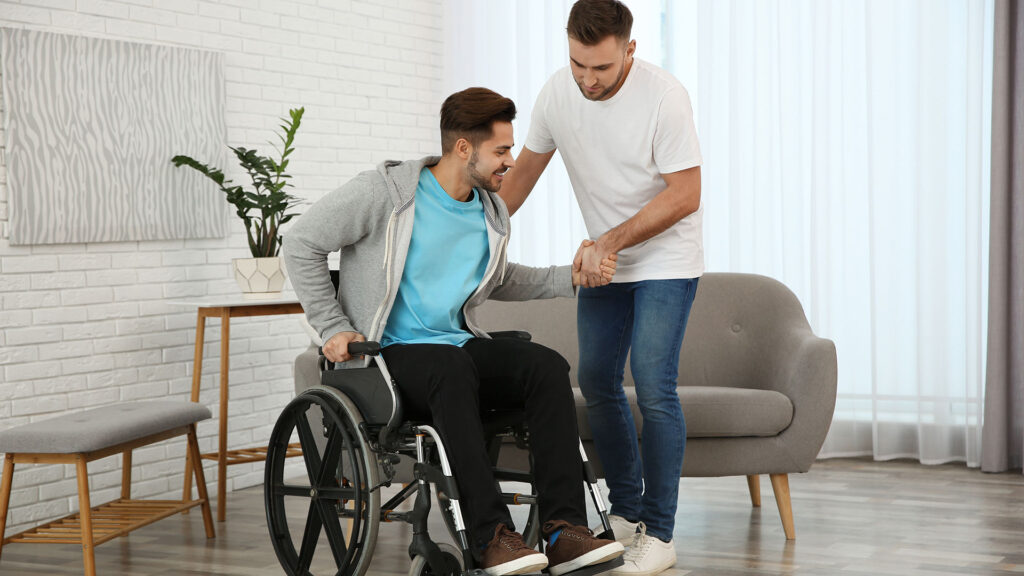
Disability, ageing, illness, or injury can make the daily living tasks most people assume are normal difficult. Personal care support is an important factor that helps individuals maintain dignity, independence, and quality of life. Assist Personal Activities is one of the most critical support categories in disability and aged care services, as it helps people safely cope with daily activities.
The support aims not only to accomplish tasks, but also to help people to be active participants in their lives. Assist Personal Activities in a person-centred care is provided, whether at home or in a supportive living environment.
What is the meaning of Assist Personal Activities?
Assist Personal Activities are practical supports given to people who require assistance with their day-to-day self-care. These are the basic activities of personal wellbeing, including hygiene, mobility, grooming, toileting, and eating.
Instead of occupying, when support workers work, the goal is empowerment through independence whenever possible. Assist Personal Activities support is based on the individual’s physical capabilities, preferences, cultural affiliations, and objectives. This would be in a manner that ensures care is respectful, empowering, and in line with the person’s lifestyle.
The significance of Personal Activity Support
Dignity and self-esteem are highly related to personal care. The inability to perform even simple everyday tasks can affect a person’s confidence, mental health, and sense of independence.
Quality Assist Personal Activities services are useful in assisting people:
Be hygienically neat and comfortable.
Minimize fall and injuries.
Enhance emotional wellbeing.
Develop daily habits and self-esteem.
Spend more time in their homestead.
Comfort is not only physical; it also provides assurance, company, and emotional support during trying times.
Typical Individual Activities in Need of Support
The needs of every person are unique, but the Assist Personal Activities support usually presupposes assistance with such spheres:
Personal Hygiene and Grooming.
This could involve showering, bathing, oral hygiene, shaving, hair and skincare. Support workers ensure tasks are completed safely without violating privacy or personal preferences.
Dressing and Undressing
Selecting suitable clothing and operating buttons can be a challenge for people with limited mobility or poor hand-eye coordination. Help facilitates ease, security and self-disclosure.
Toileting and Continence Support Toileting Toileting and Continence Support.
A major aspect of personal care services is sensitive and respectful assistance with toileting, continence, and hygiene.
Eating and Drinking
Support: this can include meal aid, adaptive utensils, prompting, or feeding aid where necessary, ensuring nutritional needs are met safely.
Mobility and Transfers
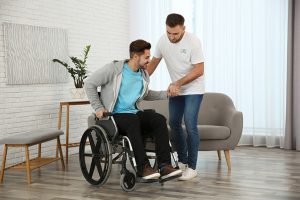
Assistance with bed transfers, in or out of bed, from chairs or wheelchairs, minimises the risk of falls and enhances confidence during the day.
All these are services provided under Assistive Personal Activities to help people in their daily lives.
Who is Fit to be the Beneficiary of these Supports?
Personal activity assistance should be provided to an extremely large variety of people, in addition to being appropriate to:
Elderly and physically or intellectually challenged individuals.
Elderly individuals who have lower mobility or strength.
Patients who have undergone surgery or injury.
Individuals who have chronic diseases.
Patients under NDIS or aged care solutions.
Irrespective of diagnosis or age, Assist Personal Activities supports are tailored to meet the goals, abilities and preferences of an individual.
The Role of Support Workers
Support workers are very important in providing assistance with personal activities. Their roles extend past the accomplishment of tasks and involve:
Promoting self-reliance at all times.
Showing respect to privacy, dignity and personal boundaries.
Effective and caring communication.
Adhering to personal care plans and schedules.
Safety and comfort should be ensured.
When it is done properly, Assist Personal Activities support becomes a mutual process rather than a one-sided service.
Encouraging Self-Sufficiency and Dependence
One of these is that personal care reduces independence. As a matter of fact, the amount of support right tends to enhance autonomy, since it enables one to save energy, prevent injury, and concentrate on activities one likes.
For example, a person might just require assistance with setting up the shower or balance, not full assistance. Assist Personal Activities helps people remain agents of their care by tailoring services to their needs.
Personalised and Person-Centred Care
The care needs of two individuals are never the same. Deficient personal activity support is:
Flexible and adaptable
According to personal habits and liking.
Culturally sensitive
Aligned with personal goals
Person-centred delivery will ensure that Assist Personal Activities services improve the quality of life rather than interfere with it.
Safety and Wellbeing Issues
One area of personal activity assistance is safety. The support workers are trained to recognise the risks, such as:
Wet floors in the bathrooms.
Unsafe transfer techniques
Skin integrity issues
Indications of pain or suffering.
With the support of the assistance personal activity offered regularly and executed in a professional manner, one may decrease the risk level and increase levels of comfort and wellbeing.
Help Personal Activities Under the NDIS
In the NDIS, personal activity support will be financed under Core Supports. This enables participants to receive assistance with their daily self-care activities, which are vital to living an independent life.
Assist Personal Activities funding will help NDIS participants to get assistance at home or in the community, depending on their approved plan and personal needs.
Selecting the Provider (the Right Support)
To choose the provider of personal activity assistance, it is necessary to take into account:
Training and experience of support personnel.
Flexibility of services
Devotion to decency and honour.
Effective communication and trustworthiness.
Congruency with personal ambitions.
The effectiveness of personal activity support can greatly influence daily comfort and long-term wellbeing.
Conclusion
Personal care assistance does not only mean getting things done; it is also about empowering people to live with dignity, confidence, and independence. Assist Personal Activities services provide a robust foundation for leading better lives when delivered with empathy and professionalism.
These supports help people be active contributors in their day-to-day lives by enabling them to concentrate on their strengths, preferences, and objectives as they need assistance.
Frequently Asked Questions (FAQs)
What are Assist Personal Activities?
The Assist Personal Activities are practical aids for individuals who require assistance with daily self-care. They include personal hygiene, grooming, mobility, toileting, eating, and other crucial daily living activities that support independence and wellbeing.
Who do you think Assist Personal Activities support is available to?
Assist Personal Activities support will suit individuals of any age who find it challenging to perform their daily personal tasks due to disability, old age, illness, or injury. This covers NDIS participants, those aged above 60 years and patients who have undergone surgery or suffer from chronic illnesses.
What are some of the tasks involved in Assist Personal Activities?
Such aids often involve showering and bathing, dressing and undressing, toileting and continence management, eating and drinking, mobility and transfers, and grooming, based on their individual requirements.
Does the Assist Personal Activities take place in the community or at home?
The Assist Personal Activities may be offered at a person’s home or in the environments of supported living and community settings. The place of support is dependent on the individual’s care plan, preferences, and approved funds.
What does Assist Personal Activities help to achieve?
Assist Personal Activities does not aim to perform tasks on behalf of individuals but rather assists them in ways that encourage them to work independently. Support workers stimulate participation, offer support when necessary and shape support according to the abilities and aspirations of the person.
Is the Assist Personal Activities NDIS-funded?
Yes, Assist Personal Activities are provided as a part of the NDIS Core Supports category. Funding enables members to be assisted in carrying out some of their daily self-care procedures that are crucial in their safety and independent living.
What is the best way to select the appropriate provider to assist with personal activities?
The training and experience of support workers, the flexibility of services, respect for dignity and privacy, effective communication, and compliance with personal goals and care needs are among the factors to consider when choosing a provider.