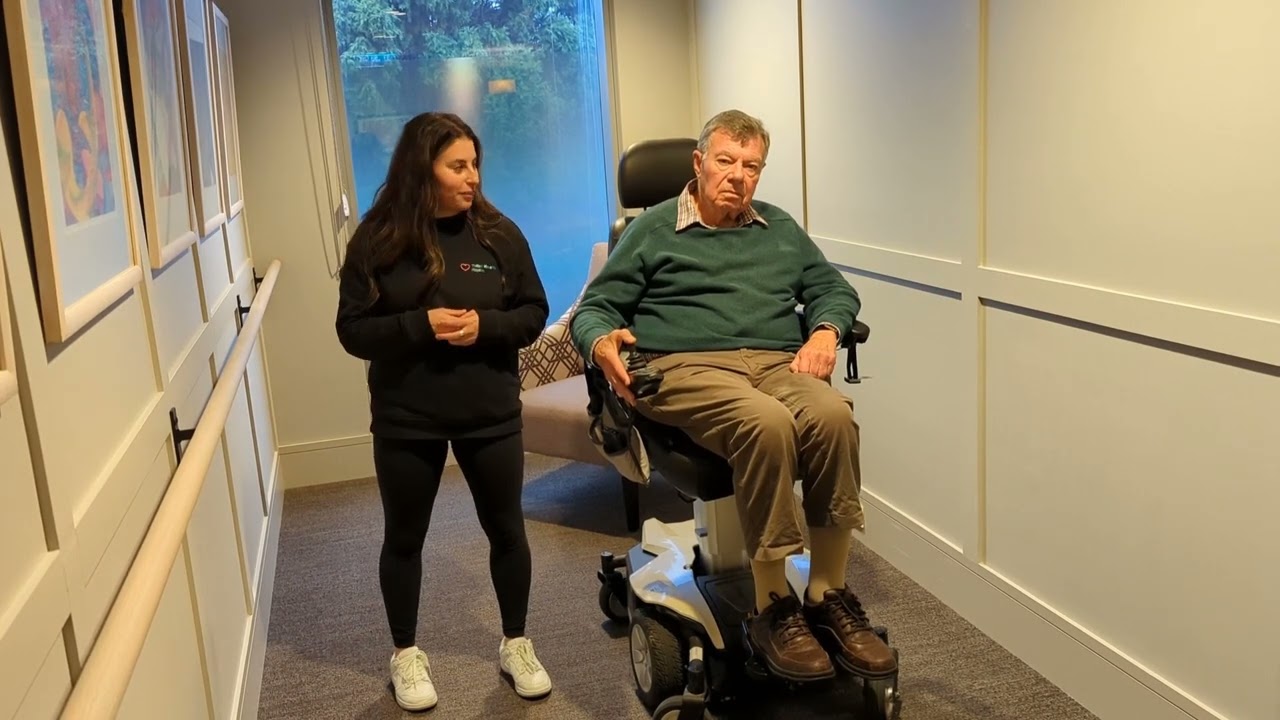

It is not about being a self-sufficient individual. Rights for people with disabilities can help them lead safer, more comfortable, and more empowering lives. Personal Care NDIS plays a big role in helping participants live normally without losing dignity, choice, or control. The personalised care will allow individuals to access reasonable support through the National Disability Insurance Scheme, based on their goals and lifestyle.
This guide explains what personal care in the NDIS means, who is entitled to it, how it helps them gain independence, and how to choose an appropriate provider.
What Is Personal Care under the NDIS?
Personal care is defined as the support of the normal self-care activities that an individual who is physically, intellectually, or psychosocially challenged finds challenging. Under the NDIS system, such supports are supposed to be sensible, required, and individual-based.
Personal Care NDIS funding aims to assist participants in carrying out their day-to-day activities safely and to promote independence where feasible. Support does not mean one should do everything; it means helping in a way that develops confidence and skills over time.
Personal care is frequently provided in the individual’s residence or community and offered at various times during the day, depending on the individual’s needs.
The kinds of Personal Care Supports.
The personal care services funded by the NDIS can involve a broad range of assistance based on the participant’s needs and objectives. Common examples include:
- Showering and bathing aid, personal hygiene aid.
- Assistance in dressing, grooming and oral care.
- Toileting and continence services.
- Mobility and transferring (bed to wheelchair) assistance.
- Help with eating and drinking.
- Pro-drug (when necessary) or supervision.
They are flexible services that can be modified as a participant’s needs change. Personal Care NDIS is not a one-size-fits-all program; it is tailored to the person.
Who is eligible for personal care support?
Personal care funding is eligibility-based on whether the support is reasonable and necessary, according to the NDIS. This usually implies the assistance:
- Is directly connected with the disability of the participant.
- Assistance with everyday activities and autonomy
- Represents value for money
- Is it not the duty of a second system (e.g. health services)
Eligibility to receive personal care supports applies to all participants with physical disabilities, neurological conditions, intellectual disabilities, or psychosocial disabilities, provided that the need is listed in their NDIS plan.
In the planning sessions, participants are asked to describe how Personal Care NDIS support enhances their daily lives, safety, and health.
Personal Care as a means of Supporting Independence.
The usual myth is that receiving personal care reduces independence. As a matter of fact, it is usually the contrary. Personal care services enable participants to live their lives in their own way with proper care.
Through receiving assistance in performing the basic everyday activities, participants can:
- Use energy on work, education or social life.
- Minimise the possibility of injury or health complications.
- Have personal habits and likes.
- Develop trust in my everyday living.
Personal Care NDIS services work best when they are provided by support workers who support people and do not depend on them, so they can do as much as possible themselves with the support worker’s help.
Individualised and Patient-Centred Care.
Choice and control are two of the strengths of the NDIS. The participants are entitled to make a choice:
- Who is their personal caregiver?
- The timing and method of provision of support.
- Which habits and rules are adhered to?
Effective providers will make time to appreciate cultural requirements, communication patterns and individual limits. Quality Personal Care Ndis provision is based on respect, privacy and consent.
The support plans are to be revised regularly to ensure that the services remain aligned with the participant’s objectives and evolving needs.
Home-Based and Community-Based Personal Care.
Support for personal care is not limited to the home. The community has many participants who are in need of help during access, including:
- Toilet training assistance out of home.
- Personal hygiene assistance in day programmes.
- Help with social or community events.
Such flexibility enables participants to be active and engaged outside their homes. Personal Care NDIS funding acknowledges the concept of independence to the capacity to engage in community life in totality.
What to do when Selecting a Personal Care Provider.
The right choice of providers is key to a good experience. In selecting a personal care provider, the participants and families ought to consider:
- Previously engaged in support needs.
- Employee training, credentials and screening.
- Responsiveness and style of communication.
- The capability to supply regular support employees.
- Adaptability to the changing needs of services.
A longstanding practitioner will engage the participant in every decision and see personal care as a collaboration and not a job. Quality Personal Care NDIS services focus on dignity, respect, and empowerment at all levels.
Personal Care, Cultural Sensitivity and Respect.
Personal care is very intimate, and cultural or religious factors might be significant. The respondents might have preferences in:
- Gender of support workers
- Modesty and privacy
- Rituals and practices of daily living.
These preferences are supposed to be respected by NDIS providers, who will provide culturally safe care. Personal Care NDIS supports help to improve comfort, trust and wellbeing when provided thoughtfully.
The value of Personal Care to Families and Carers.
Personal care funding is beneficial not only to participants but also to their families and informal carers. Through the distribution of the daily care, families can:
- Alleviate physical and emotional stress.
- Have more healthy relationships.
- It is better to spend quality time with her rather than take care of her 24/7.
Such a balance fosters sustainable care arrangements and helps to avoid burnout. The Personal Care NDIS is significant in assisting participants and their support networks.
Re-evaluation and re-assessment of Personal Care Supports.
Needs do not remain the same, and personal care should adjust accordingly. The participants are entitled to plan reviews in case:
- Their condition changes
- Existing supports are not sufficient anymore.
- Ambitions or residential conditions change.
It is recommended that Personal Care NDIS funding be maintained to address the participant’s real-world needs, provided clear documentation and open communication ensure they are taken into account.
Conclusion
Personal care entails much more than aiding daily activities; it is about dignity, independence and quality of life. Personalised and respectful support will enable participants to take charge of their routines and live confidently.
Personal Care NDIS can give people the power to participate in their communities, pursue their objectives, and live their everyday lives with the appropriate level of support when it is implemented correctly. Selecting the appropriate provider and regularly auditing are part of ensuring that personal care is provided in a manner that aligns with what is of the utmost priority to the participant living life his or her way.
Frequently Asked Questions (FAQs)
What is Personal Care NDIS?
Personal Care NDIS is assistance funded under the National Disability Insurance Scheme and supports participants in their daily self-care, such as hygiene, dressing, moving, and eating, without infringing on their dignity or autonomy.
Who can access Personal Care NDIS supports?
Physically disabled individuals, individuals with neurological conditions, intellectually disabled individuals, and psychosocially disabled individuals can receive Personal Care NDIS supports provided that they are found reasonable and necessary and have them listed in their NDIS plan.
What types of activities are covered under Personal Care NDIS?
Personal Care NDIS may involve showering, bathing, dressing, grooming, toileting, continence care, mobility and transfers, eating and drinking and supervision where necessary.
Does receiving Personal Care NDIS reduce independence?
No. Personal Care NDIS is aimed at helping people become independent, not at decreasing it. With the relevant support, participants will have the opportunity to save energy, reduce health hazards, and continue work, education, and community activities.
Where can Personal Care NDIS supports be provided?
The NDIS can provide personal care services in participants’ homes or in the community, depending on their needs. This involves assistance in day programs, social outings or community events.
How do I choose the right Personal Care NDIS provider?
When choosing a Personal Care NDIS provider, consider their experience working with similar needs, their staff training and screening, their communication methods, how they maintain worker availability, and their ability to adapt their services to these needs.
Can Personal Care NDIS plans be reviewed or changed?
Yes. Personal Care NDIS services can be revisited if a participant’s conditions change, the current support is no longer adequate, or the participant’s living conditions or objectives change. Frequent assessments help keep supports aligned with actual requirements.