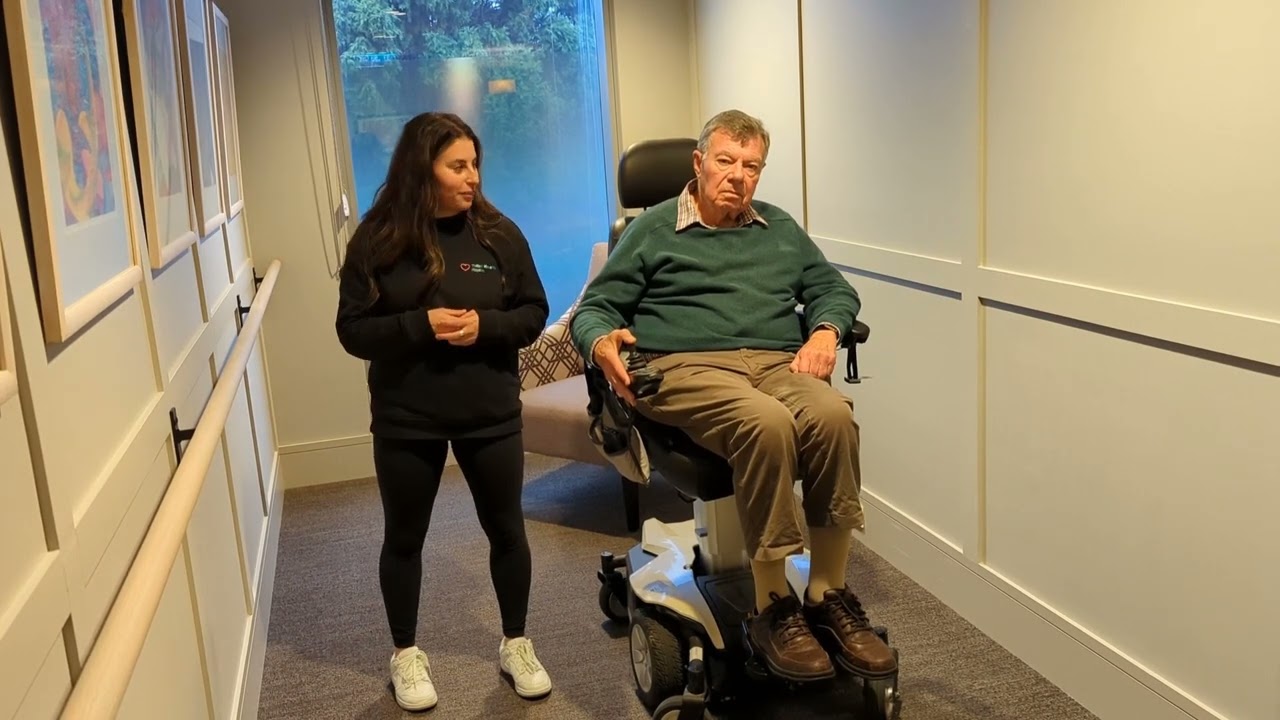

The NDIS application process is where an application for individuals with disabilities to access funded supports under Australia’s National Disability Insurance Scheme begins. Although the scheme is intended to be inclusive and supportive, the application stage is sometimes overwhelming, especially for those unfamiliar with disability services or the government system. Knowing what to expect can help make it less stressful.
This article provides a simple, practical explanation of the NDIS application process. It focuses on eligibility requirements, documentation, timelines, common difficulties and what happens once approved. Whether you are making an application on your own behalf or for a family member, understanding the process can help you approach it with confidence.
Why the NDIS Application Process Is Important
The National Disability Insurance Scheme is there to help fund people with permanent and significant disabilities for the long term. This funding is used for the day-to-day routines, community participation, developing skills, and being independent in the long run.
The NDIS application process is in place to determine whether or not a person meets the access criteria to access this support. Decisions are made at this stage that have a direct impact on whether someone becomes an NDIS participant or not, so accurate information and quality evidence are crucial.
Explained: Eligibility Requirements
Before starting the process of applying for the NDIS, it is important to know who is eligible to apply. Applicants must be younger than 65 years of age at the time of application and must reside in Australia as a citizen, permanent resident or a holder of a protected visa.
In addition, the person must have a permanent disability that substantially affects the ability to perform daily activities of life. The NDIS is not just interested in the medical diagnosis and assessments; it is also interested in how a condition affects daily functioning and the support that will be needed in the long run.
Important factors that are considered in terms of eligibility include:
- The permanence of the disability and whether it is likely to last for life
- The extent to which the disability’s effects impact the capacity to function in everyday life
- The need for ongoing support rather than short-term support
How the NDIS Application Process Works
The NDIS application process takes the form of a pathway calculated to check eligibility in the fairest and most consistent manner. The first step is to make an access request, which may be with the NDIS or assisted by a Local Area Coordinator. Basic personal details and information about the disability are given at this stage.
Once the access request has been initiated, the applicants are asked to provide supporting evidence. This evidence is a central part of the NDIS application process, and generally comprises reports from medical and allied health practitioners. These reports must clearly state that the condition is permanent and provide information on the impact of the condition on daily life.
After the required documentation is collected, the application is formally submitted. Accuracy is important here because incomplete or unclear information will delay the assessment of your application. The NDIS then considers or reviews the application and may seek more information about it before making a decision.
Understanding Supporting Evidence
Supporting evidence is often the most difficult part of the NDIS application process. For the NDIS, a diagnosis is not enough. Reports will be required on how the disability affects such areas as mobility, communication, learning, self-care, or social participation.
Evidence that is considered to be strong usually comes from:
- Medical specialists who will be able to confirm the diagnosis and permanence
- Allied health professionals who evaluate functional capacity
- Reports that feature examples of real-world issues and problems encountered daily
Health professionals are advised to give functional limitations in terms of everyday-life examples. Clear, recent and detailed evidence assists assessors in order to understand the level of support required and can greatly aid in approval chances.
Application Review and Determination
Once submitted, the NDIS reviews the application to decide if access requirements are satisfied. This assessment focuses on the disability’s permanence, its functional impact, and whether support is needed long-term.
The review of the application may take several weeks, depending on the complexity of the application as well as the quality of the evidence provided in the application. The applicant(s) are notified in writing once the decision has been made.
What Happens After Approval
Approval is the start of the transition of the NDIS application process into the planning process. New participants are invited to attend a planning meeting – either with an NDIS planner or Local Area Coordinator. This meeting is time spent with personal goals, existing supports and future needs.
Following the meeting, an NDIS plan is drawn up and released. The plan has approved funding and categories of support and identifies the length of time the plan will remain active. This document directs the access and management of services.
Common Issues Encountered in the NDIS Application Process
Many users and applicants go through delays or setbacks during the NDIS application process. One of the most common problems with that is a lack of sufficient or clear evidence. Without adequate reports explaining functional impact, applications will be delayed or discontinued.
Common challenges include:
- Reports that focus only on diagnosis, but not on the day-to-day impact
- Missing and/or out-of-date documentation
- Delays in responding to NDIS follow-up requests
Keeping organised allows applicants to respond promptly and keep copies of all correspondence to help reduce these issues.
Improving Your Chances of Approval
Preparation plays a major role in a successful NDIS application process. Using current reports, clearly explaining day-to-day difficulties and making sure that professionals are aware of NDIS requirements can give an application strength.
Seeking the support of Local Area Coordinators, advocacy services, or providers experienced with the application process, as well as skills, can also be helpful, especially for complex applications and first-time applicants.
NDIS Application Process for Children
The process for applying for the NDIS for children has certain considerations, especially for children who are under the age of seven. Early intervention pathways focus on developmental delays and the potential benefits of early intervention.
Clear proof from paediatricians, therapists, and early childhood specialists must be provided. Early access to supports can make a meaningful difference in long-term development and independence.
If Your Application Is Not Approved
A rejection does not mean that the NDIS application process is over. Applicants have the right to request a review of the decision and submit further evidence if necessary.
Many people get a positive result after enhancing the documentation or clarifying the daily life effects of their disability. Having some support from advocacy services during this stage can be valuable.
Summary
The process of applying for the NDIS is a vital step towards accessing disability supports in Australia. While it can be a complicated process, knowing each stage, preparing effective evidence, and seeking advice when needed will make it much more manageable.
With the right approach, the application process for the NDIS can open the door to meaningful support, independence, and quality of life.