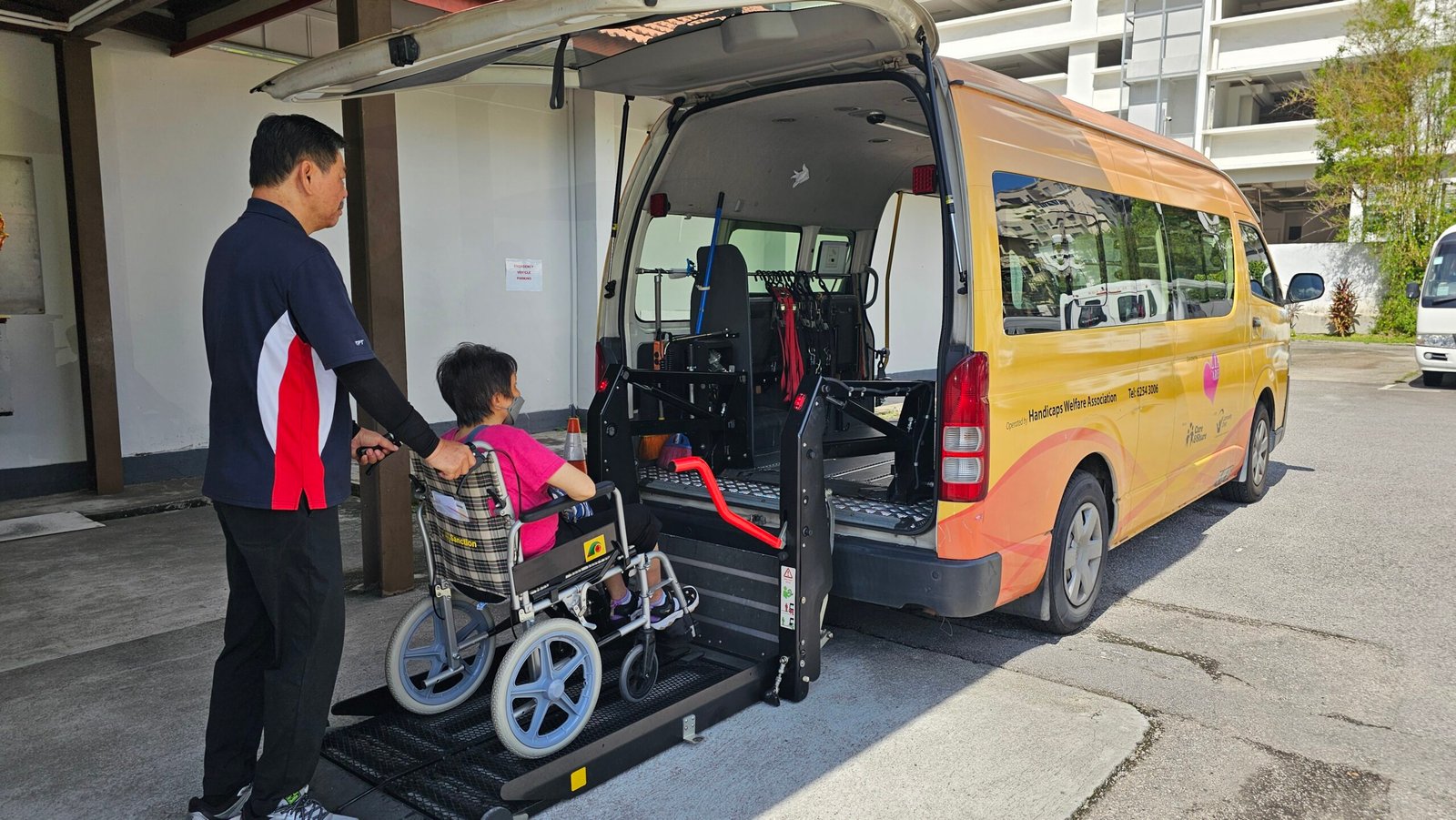

Long ago, frequent visits to medical facilities involved attending a clinic or staying in a hospital ward, or spending hours in a waiting room. Many Australians are turning to a new approach to health care, an approach in which a qualified nurse is able to come to them, in their home, when they want care, not when they are forced to take care of them. This is the reason why Community Nursing Care Services are becoming so popular, and if you ever wonder what this means in the real world, then you are in the right place. If you’ve had surgery, have a chronic condition, support an older family member or are simply looking to make your health care less burdensome, you’ll be better equipped to make an informed decision about your care or the care of someone you love if you understand how these services work.
More Than a Check-Up: What Really Goes on During a Home Visit
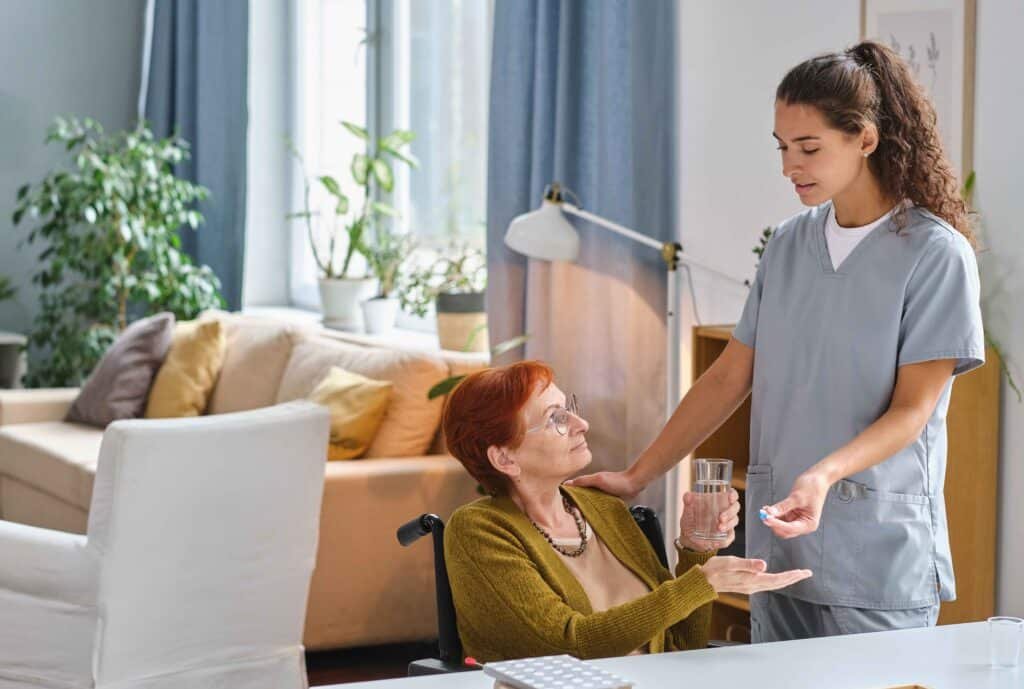
A home visit by a nurse is frequently considered to be a brief consultation and the taking of blood pressure, when in fact it is much more involved. The care that Community Nursing Care Services will provide is usually wound care and dressing changes, management of medication, blood pressure and blood glucose monitoring, catheter and stoma care, injecting, post surgical recovery and support, and management of long term medication such as diabetes, heart failure or chronic obstructive pulmonary disease.
Some visits are brief and routine, such as changing a dressing or taking vital signs. Others are longer and more complex, especially for those who have recently been in the hospital or for those with multiple health issues. An excellent nursing team is also mindful of the little things that can go wrong, such as early signs of infection, changes in mobility or side effects of medications and rings up your GP or specialist if something needs attention.
Who’s Knocking? These are the people that benefit the most from this kind of support
While older Australians do account for a large proportion of those who use this type of care, it is not just a service for older people. It’s also a lifeline for those discharged from a hospital following surgery who require ongoing wound care, people with disability who require clinical support and coordination as part of their NDIS plan, and anyone who has a long-term condition that requires regular and reliable checks.
Home nursing can provide palliative care for families who are caring for a loved one at the end of his life, and the comfort of home during a challenging period. Nursing Support can be accessed on the days following birth as well by new parents. Regional and rural Australia can have a hospital hours away; at-home visits by nurses can turn a logistical nightmare into a manageable one.
Why Your Lounge Room Beats a Hospital Ward?
So many Australians are opting to have their care provided at home instead of where they’ve been ordered to go. So there’s a reason why so many of the people in Australia are opting for home care instead of where they’re told they need to go. Being in a familiar environment, surrounded by personal items and loved ones, can promote emotional health and can actually aid physical healing. There is also the well-known risk of being exposed to hospital-acquired infections, which is not a concern for those who stay out of hospital.
There is the issue of independence too. Community Nursing Care Services are based on the principles that the person’s home, their routine and their preferences are as important as their clinical needs. Care is planned around you rather than your life around the care, making it easier to stay on track with work, family and everything that makes a house a home.
From First Phone Call to Familiar Face: How the Process Actually Works
It’s generally easier to get started than people think. Usually starts with a referral from a GP, hospital discharge team or direct referral from you or your family member. Once there, a licensed nurse will typically conduct an initial brief assessment, either by phone or in-person, to learn more about your health status and your needs, as well as any treatment goals.
Based on that assessment, a personalised care plan is drawn up, identifying the support required, frequency of visits and who should be involved, including your GP, pharmacist or specialist. Your plan should be reviewed and revised as your needs evolve and do not sit in a filing cabinet.
Good providers maintain open lines of communication, so you never have to wonder what to expect, or who to contact should things change. This is a great resource for parents to use to help them decide between a great provider and an average provider. There are different types of home nursing, so it is beneficial to have a few specific questions to ask before you do sign up.
Ensure that nurses are registered with the Australian Health Practitioner Regulation Agency (Ahpra) and inquire about their experience with your type of wound care, palliative care or care for a disability. The reliability of this is a huge factor.
Inquire about their process for making urgent requests, who they will contact when their usual nurse is absconding, and how they will inform family members or other healthcare providers. If the provider you are discussing with is providing true Community Nursing Care Services, they should be honest about fees, qualifications and availability the first time you discuss it with them, rather than providing ambiguous answers or pressure to move forward without considering other options.
Who Foots the Bill? Making Sense of Funding Down Under
Of course, cost is a consideration that is always in any individual’s mind, and the straight answer is that it depends on the individual. For older Australians, funding is available in a Home Care Package or Commonwealth Home Support Programme, both managed via My Aged Care. Depending on their goals, people with a disability might receive nursing support in their NDIS plan either as a core support or capacity building support.
Medicare may also provide some nursing care through a GP Management Plan for the management of chronic disease, and certain services are available under private health insurance extras depending on the insurance policy. If you are not eligible for government-funded services, you can also find a private, fee-for-service program. Before care is offered, it is important to have an honest discussion with the provider about what is included and not included in the care.
The Bottom Line: Care that Fits your Life, not the Other Way around
For more and more Australians, care that comes to you, not the other way around, is becoming an obvious choice in today’s personalised health landscape.
From recovery after an operation to long-term chronic illness, Community Nursing Care Services provide a meaningful and caring approach to care, all while maintaining the comfort and independence of home. When considering options for yourself or a family member, find out what questions to ask, what options you have for funding, and what provider is best matched to your needs. The best practice should be like a partnership, not a business transaction.
FAQ’s
1. What aspects of community nursing care services do you know?
Typical community nursing care may involve catheter care, post-surgical care, palliative care, wound care, managing medications and monitoring chronic diseases. The exact proportions vary from person to person and are determined in a personalised care plan with a registered nurse.
2. Who can access community care for nursing in Australia?
There are funding pathways that determine eligibility. Older Australians might receive support from a Home Care Package or the Commonwealth Home Support Programme, and NDIS participants can have nursing in their plan. A private nursing firm also provides care to anyone, regardless of age or financial circumstances.
3. In Australia, community nursing care is provided for a fee
Community nursing care services in Australia are available at a fee. The prices will depend on the type of care, repeat visitation, and funding source in question. Most or all costs for eligible people may be covered by government services like My Aged Care or the NDIS, or they may be charged according to a per-visit or per-hour fee for private care.
4. Does community nursing care qualify for funding by the NDIS or a Home Care Package?
Yes. For NDIS participants, nursing support may be included in their core support or capacity-building supports and for older Australians, a Home Care Package may be used to pay for in-home nursing. The amount of funding available will vary, depending on the individual assessment and plan goals.
5. In what ways is community nursing different to general home care?
Community nursing involves the registered or enrolled nurse providing care from a clinical perspective, such as caring for wounds and managing medicines and chronic conditions. General home care typically involves non-treatment support like cleaning, meal preparation and personal care, but not quite as much medical qualification.
6. How to set up community nursing care for a loved one?
Referrals will be made from a GP, hospital discharge planner, or you can contact home nursing providers directly. An initial assessment of the person’s needs is likely to be provided by a registered nurse before a bespoke care plan is drawn up and regular visits arranged.
7. Do there exist community nursing care services for palliative or end-of-life care?
Yes. Palliative nursing care is available in many services that enable people to stay at home comfortably whilst receiving their end-of-life care; for instance, they help control pain, monitor symptoms and provide emotional support for the person and family.