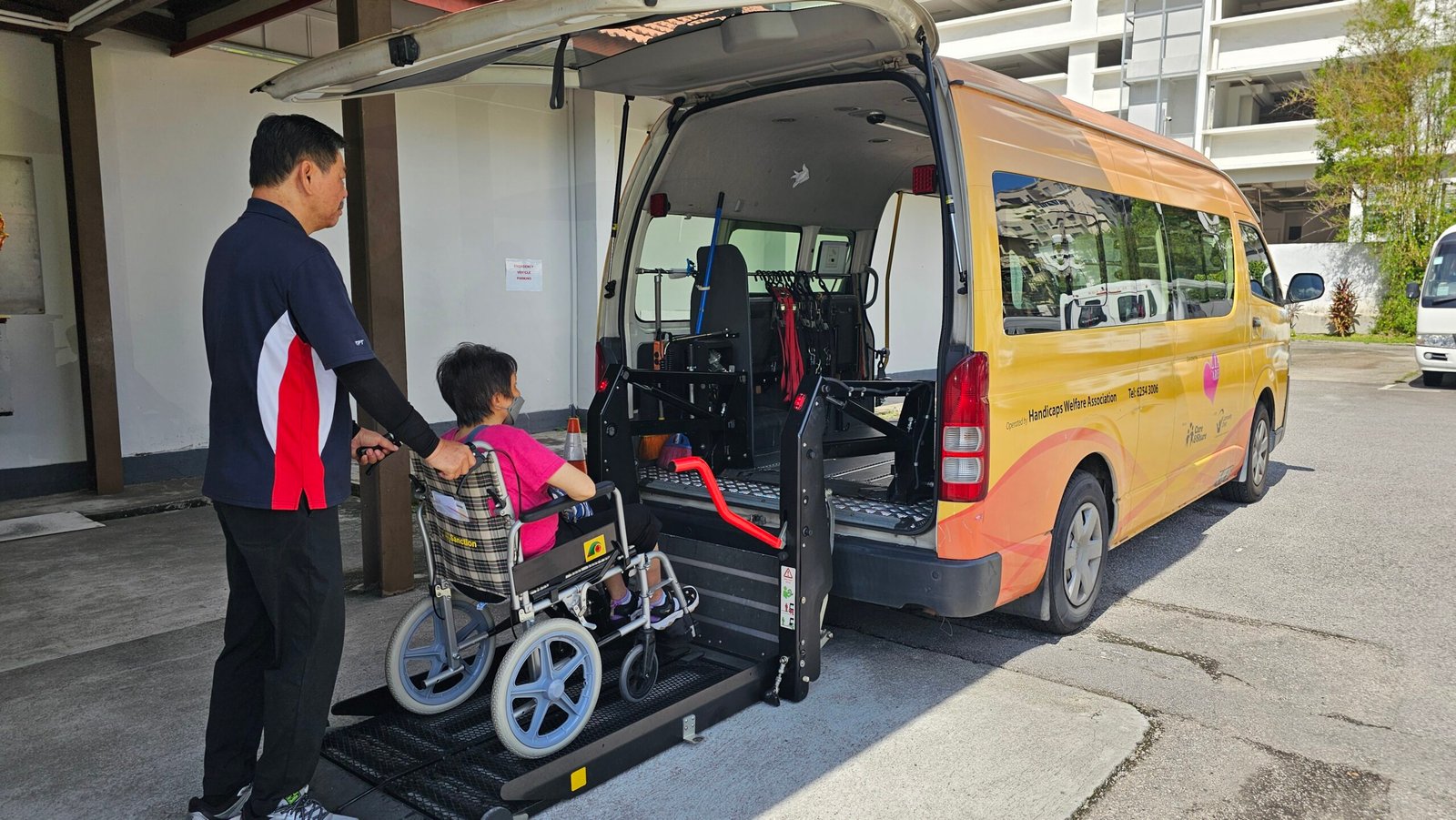

On a day to day basis, being disabled can present many challenges, and with the right assistive system, a big difference can be made. The National Disability Insurance Scheme (NDIS) has transformed the way Australians with disabilities access disability services, resources and opportunities. They may be offered support plans and funding in a flexible and personalised way to enable them to stay more independent and confident.
The aim of the NDIS Disability Support Services is to help individuals reach their goals, enhance the quality of their lives and be actively involved in their communities. The services can include anything from personal care to transportation, therapy or social activities, and are given to meet the needs of the individual.
Understanding the NDIS
The National Disability Insurance Scheme (NDIS) is a government-funded scheme which provides support to Australians with permanent and significant disabilities. The program aims to enhance people’s capabilities by providing them with choice and control of the services they receive.
The NDIS is a participant-centred approach to delivery, as opposed to traditional systems. This makes each support plan different depending on a person’s objectives, lifestyle and support needed. It provides participants with options of who to serve and how money will be spent.
Adaptable NDIS Disability Support Services can be used to help people become more independent, more confident to develop skills which can help them promote long term wellbeing.
What are Disability Support Services provided by the NDIS?
Disability support services under the NDIS offer a wide variety of support programs that help people to have more independence and to lead their everyday lives. These services may be provided in the home, the community or through special centres, depending on the wishes and needs of the participant.
Typical Supports Offered
- Personal care assistance
- Household chores and wash-up duties
- Community participation programs
- Transport assistance
- Supported independent living
- Therapy and allied health support
- Help finding employment and developing skills
- Social and recreational activities
These can be flexible services and support that can fit an individual’s needs and target.
The Assistances of NDIS Support Services
1. Improved Independence
The NDIS has a number of primary goals, one of which is to support a person’s independence in their daily life. Support workers can provide assistance to carry out daily tasks and ensure that participants learn life skills and become more confident.
Whether making meals or doing their own personal care, a participant can steadily develop the ability to do things on their own.
2. Greater Community Participation
Social inclusion is also an important aspect of mental and emotional well-being. Many with disabilities live in isolation, whether because of their lack of mobility or lack of support.
Participants have the opportunity to experience community events, playgroups, and other social groups and programs or go to suitable education programs via the Disability Support Services in the NDIS. It can help to foster connections, enhance interaction skills and strengthen happiness.
3. Personalised Care Plans
Each team member will have different objectives and needs for support. The NDIS understands this, and as a result, it makes individualised plans for each person.
This can be intensive daily support and care to some, and occasional help with transport or therapy to others. Flexible supports help to ensure that participants are supported at a level appropriate to their needs without too much restriction.
Support for Families and Caregivers
For many people with disabilities, family members and caregivers are often an integral part of their assistance. But, over time, caregiving can be physically and emotionally exhausting.
NDIS services can bring some respite care and help relieve stress on family members by offering professional support and guidance. This equilibrium helps the carers to balance while making sure that their loved ones are getting the best care.
Gain Access to Professional Expertise
A lot of support providers have people who are informed and knowledgeable when it comes to disability care. This includes therapists, support coordinators, nurses and P.C.A’s.
They share their knowledge with participants, enabling them to access relevant therapies, learn life skills and add to their physical and emotional health.
The Ultimate Guide for Finding the Best NDIS Provider
Choosing the right provider is a crucial element in getting quality care and support. Participants are able to choose where to go for providers, so take the time to make sure that you’re checking out your options.
The Following are Some Things to Take into Account
Experience and Qualifications
To choose providers who have an understanding of disability care and have experienced staff. Specialists are well-qualified professionals able to provide superior support, as per the needs of the individual.
Range of Services
A multifunctional approach allows for the ease of administration of care and also maintains consistency within the provision of services.
Flexibility and Communication
The good providers listen to producers and change services when there is a need for it. It’s important to find qualities like open communication and responsiveness.
The Reviews and Reputation of the Participating Companies
You can learn about the quality of services provided from reviews and other participants’ testimonials.
Dependable Disability Support Services from the NDIS concentrate on dignity, respect and empowering all individuals to attain their desires in life.
What is Community Based Support and the Benefits?
Importantly, the NDIS values community-based support. Helps people to attend to social, educational and recreational activities that enhance the quality of life.
Programs May Include
- Art and music classes
- Sporting and Physical wellbeing Activities
- Volunteer opportunities
- Group outings
- Skill-development workshops
Participants learn to be more confident, socially connected, and to be part of the community through these activities. These also lessen loneliness and isolation.
How NDIS Services Promote Long-Term Growth
NDIS support is not just for today. It also aims towards long-term objectives and sustainable independence of participants.
For instance, employment support services can assist individuals with job readiness by providing training, resume support, and work readiness programs. Therapy services can help you gain mobility, communication and emotional endurance over time.
Participants, with support, have often gained more self-confidence and opportunities for personal development.
Disability Support: Technology and Innovation
Technology touches each aspect of disability care, and its application is growing even more. Few providers are still without the use of innovative tools and ATs to enhance the delivery of services and participant independence.
Examples Include
- Mobility aids and smart wheelchairs
- Communication devices
- Home automation systems
- Telehealth consultations
- Mobile Care Management Applications
Today, NDIS Disability Support Services are still undergoing transformations, with the incorporation of technology that makes it safer, more convenient, and more accessible.
Together, Let’s Create a Better Future Through NDIS
The NDIS has opened the door widely to access to disability supports across Australia. The scheme is about choice and individual aims and maximises the opportunities for people with disabilities to have a fuller and more meaningful life.
Good support services provide an opportunity to learn, work, be social and develop personally and solve problems as they arise.
From everyday support with tasks to focused therapeutic interventions, the right care provider can have a profound positive effect on someone’s path to independence and wellbeing.
Conclusion
Disability Support can open up a world of possibilities. The NDIS gives people the resources and flexible options they need to achieve their goals, increase their independence and become more part of their community.
Professional NDIS Disability Support Services mean participants will have a level of care that is tailored to their individual needs without compromising their dignity, confidence or longer-term wellbeing. The growing awareness and accessibility of Avani have continued to enable more Australians to benefit from compassionate support, which is crafted to enable them to thrive.
FAQs
1. What are the Disability Support Services of the NDIS?
The NDIS Disability Support Services are tailored plans of support that are supported by NDIS funding for people with disabilities to help them live their daily lives, increase their independence and support their ability to access the community.
2. Who does the NDIS support?
If you are an Australian citizen or permanent resident, under 65 years old and have a permanent or substantial disability, you may be eligible for NDIS support.
3. Support that may be funded by the NDIS
There are various forms of funding that the NDIS can assist with, such as therapy, community participation, supported living, skill development, assistive technology, transport and personal care.
4. Are participants allowed to determine for themselves what service providers they use?
Yes, NDIS participants can choose the providers they prefer for the services required based on their preferred goals.
5. What are NDIS Support Plans?
Support plans are individual and reflect the participant’s needs and goals. There is funding allocated for the approved service, and it is kept under review.
6. Do persons of the same family participate in supporting?
Yes, family members and caregivers may share their insight and input in making decisions and planning for participants to guarantee that they receive the best care.
7. Where can I get a good and reliable NDIS provider?
One can conduct the Provider Search online, read their reviews, compare providers, and even call providers to evaluate their experience, communication and support.