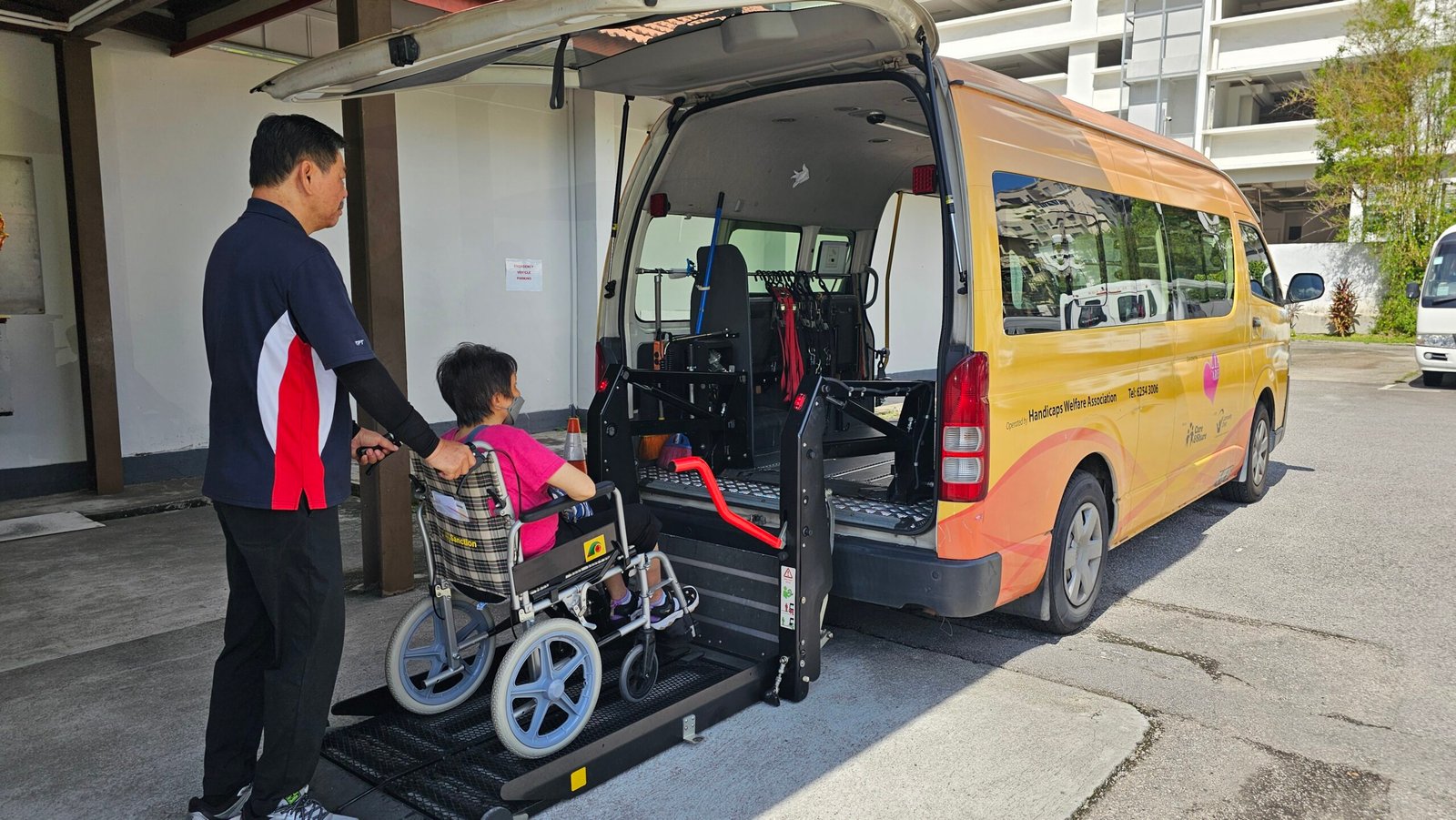

Support is not the only aspect of living with a disability. A large proportion of participants need medical aid to attend to health problems, to be self-reliant and to improve their lives. This is where a specialised nursing home care service like NDIS can help. The services are designed to offer the recipient, each time, very good care, based on his/her individual needs, in order to keep him/her safely and comfortably in his/her home or community.
The National Disability Insurance Scheme (NDIS) is here to help Australians with disabilities access services that will help them reach their goals and lead to better wellbeing, independence and engagement. The kind of assistance the NDIS may be able to provide for nursing can range from as simple as keeping an eye on the individual’s health to as complex as medical care. Whether a medication aide, a wound care nurse or providing direct clinical care, skilled nurses can provide high quality and dignified compassionate care to participants.
What is an NDIS Nursing Service?
NDIS Nursing Services are services provided by qualified and registered nurses to an eligible person with the NDIS. These services are intended to support individuals with disabilities requiring medical or clinical services as a component of their lives.
Nursing support may be provided in a variety of settings, such as:
- At home
- In supported accommodation
- Within community programs
- When interacting socially or recreationally
The main aim is to keep participants healthy, independent and confident. Nurses collaborate with participants, families, support coordinators and health care professionals to develop individualised care plans.
There are various types of nursing support available
Depending on a participant’s health condition and support needs, NDIS-funded nursing care can provide a variety of services.
Medication Management
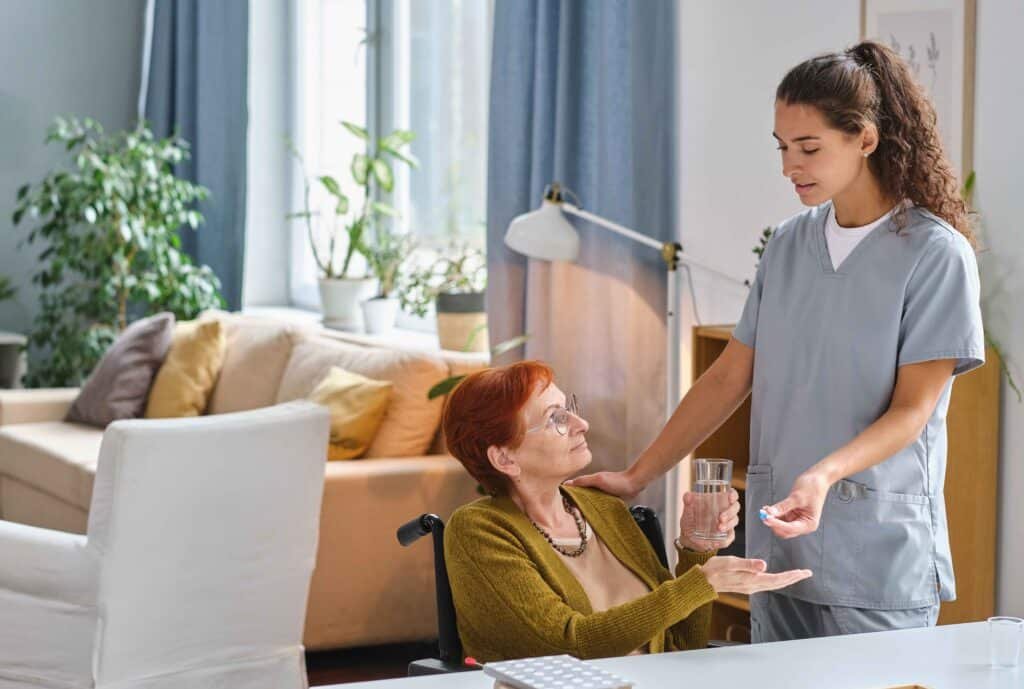
There may be physical issues, memory or complicated medication that some of you need assistance with. The nurses decide on the correct administration of medicines on time and monitor adverse reactions and health problems.
Wound Care
Illness, surgery or prolonged health problems may necessitate wound care on a constant basis. Treatment, dressing wounds, prevention of infection and healing are done by professional nurses.
Continence Management
A few participants require some support with bladder or bowel care. Nurses are able to perform a continence assessment, give catheter care and education to improve comfort and hygiene.
Diabetes Management
A person with diabetes may receive nursing care for testing the blood sugar, administering insulin (shots) and educating them on how to manage their diabetes.
Complex Care Support
If an individual has high support needs, more complex clinical care may be needed, for example, they may need to be monitored for seizures, or to use a ventilator, feeding tube or care with a tracheostomy. Skilled nurses are available for assistance in a safe and professional way for those with complex conditions.
Health Assessments And Monitoring.
Health checks will help identify problems before they become a problem. Nurses are responsible for checking vital signs, well-being and health changes to facilitate intervention if necessary.
Benefits of NDIS Nursing Care
The benefits of having access to skilled nursing care under the NDIS are numerous. In addition to medical treatment, participants are given emotional support and more independence.
Increased Quality of Life
With adequate health care assistance, participants can concentrate on living their lives rather than dealing with health issues. Nursing care promotes a sense of security, wellness and confidence.
Personalised Support
Each individual’s health care needs are different. Nurses develop personalised care plans with individual objectives, medical needs and preferences.
Greater Independence
Many participants can live at home and not in a hospital or residential care with the right support. This helps achieve independence and emotional wellbeing.
Reduced Hospital Visits
With regular nursing care, complications can be avoided, and hospital admissions can be minimised. Early intervention CAN help!
Family Support
Professional nursing care is also available for families/carers. Nurses offer education, guidance and respite, thereby helping to decrease stress and caregiver burnout.
Who is eligible for NDIS Nursing services?
Participants will need to have a nursing care plan in their NDIS plan in order to access NDIS Nursing Services. Funding is typically made available where it is deemed reasonable and necessary to manage disability-related health needs.
Participants who might require nursing care include people with:
- Physical disabilities
- Neurological conditions
- Chronic illnesses
- Complex medical needs
- Mobility limitations
- Developmental disabilities
Typically, an evaluation is conducted to identify the level of care needed. Reports and/or recommendations from healthcare professionals can be submitted to support funding requests.
The role Nurses play in supporting independence
Empowerment of participants is one of the most valuable aspects of nursing care. Our nurses not only treat patients, but also help them to build confidence and abilities for living.
For example, nurses can teach the participants how to manage their own medications, monitor their symptoms, or engage in healthy habits. This educational method promotes self-management to the greatest extent possible.
NDIS Nursing Services are a type of support that assists participants to achieve their goals and live their lives to the fullest, including their health.
Choosing the best nursing service
It’s important to select the appropriate provider to get top-notch care and trust. Participants should ensure that the providers they approach have qualified and experienced nursing staff, and are knowledgeable about disability support and person centred care.
Here are some tips on choosing a provider
Qualifications and Experience
Continue to provide registered and trained nurses to provide the level of care needed, including for complex medical needs.
Personalised Care Plans
Good providers are able to take the time to know the goals, preferences, and health issues of participants before creating a support plan.
Communication Skills
Safe and effective Care depends on the communication of the nurse, participant and family.
Flexibility and Availability
Requirements for medical care may be different. A competent provider should be able to offer flexible services that will respond to the changing needs.
Positive Reputation
Read reviews and chat with other attendees to identify trustworthy companies with a history of caring and compassion.
Future of Disability Nursing Support
The need for skilled nursing care is increasing as health and disability services continue to change. The use of technology, telehealth, and personalised healthcare is enhancing the delivery of services.
Current NDIS Nursing Services are more about choice, independence and inclusion in the community. This allows them to have more choice over the way and where they are cared for.
Conclusion
The lives of people with disabilities can be improved with the assistance of a professional nurse. NDIS Nursing Services offer personalised healthcare, supporting people with complex medical needs and promoting their independence and confidence.
The nurses offer them personalised and compassionate care, allowing the participants to enjoy safer, healthier and more fulfilling lives. Qualified nursing professionals share in a person’s life and function, from simple to complex care, to help the person live and function within the home and community.
FAQs
What is being offered in NDIS Nursing Services?
NDIS Nursing Services refers to care that is delivered by a qualified Nurse to the eligible NDIS participant who requires medical and/or clinical care.
Who is eligible to use the NDIS for nursing?
In cases where a participant (whose disability requires health care support) has a chronic health condition, or complex health care needs, they may have the option to have nursing support through their NDIS.
What are the various kinds of care that NDIS nurses provide?
Services provided include medication management, wound care, diabetes support, continence care, health monitoring and complex clinical care.
Is the provision of home nursing possible?
Yes, there are a number of participants who are provided with nursing care at home, so that they can be comfortable, safe and independent.
What are the qualifications for NDIS nurses?
Yes, NDIS Nurses are registered health professionals who have disability and clinical experience.
How can I have nursing care in my NDIS plan?
The health care professional’s assessment and report may be required to provide evidence to the reasonableness and necessity of the nursing care.
What is the important role of nursing in relation to an NDIS participant?
Good health, decrease in hospitalisation, independence and improved quality of life are all advantages of nursing support.