
For individuals and families facing disability in Melbourne, finding a way to support each other can be daunting and confusing at first. The great news is that the National Disability Insurance Scheme (NDIS) provides a variety of supports tailored for greater independence and comfort in everyday living. Under the scheme, one of the most needed supports is NDIS Personal Care Assistance; confusion about how to set it up could impact day-to-day life.
In this guide, we will discuss the personal care assistance NDIS provides, who is eligible, the criteria for it and how to secure the right personal care assistance provider in Melbourne.
What are NDIS Personal Care Assistance?
NDIS Personal Care Assistance is the direct assistance that is provided to a participant that is necessary for the participant to perform everyday, personal tasks as a result of a permanent and significant disability. They are things that most people would actually do intuitively alone, like getting dressed, taking a bath, grooming, eating or safely moving around at home.
In terms of the NDIS, these supports will mostly be planned for within the Core Supports budget and scored in the Daily Activities category. This also includes the provision of funds for personal care, which may often be part of a participant’s plan when their functional capacity is assessed and their needs identified.
Personal care is more than just a physical assist. It’s about helping someone maintain their dignity, comfort and independence, as well. A good support worker is not merely someone who ‘does what is required’. They do in a way that respects the participant’s preferences, routines and choices.
Who Can Get NDIS Personal Care Assistance in Melbourne?
People will need to be an NDIS participant to access personal care assistance in Melbourne. For full eligibility to access the NDIS, you must meet the following:
- The person is younger than 65 years when submitting the application
- Australian citizen, permanent resident or a Protected Special Category Visa holder.
- They are permanently disabled and are unable to participate in daily activities to a great extent.
As soon as someone has been approved to access the NDIS, a planner or Local Area Coordinator (LAC) will consider the supports that are reasonable and necessary. Personal care needs will be determined during this process, and funding will be allocated to this in the participant’s plan.
An important fact that you should know is that the amount of funding is different for every person. An individual with high support needs can get more funding for personal support than someone with occasional support needs. This is established by the functional assessment and is discussed with the NDIA in a planning meeting.
What are NDIS Personal Care Assistance Services for?
Personal care is generalised and can be customised based on each participant’s needs throughout the NDIS. Registered NDIS providers in Melbourne usually offer personal care assistance, which may include the following:
Personal Hygiene and Grooming
This involves help with showering or baths, oral care, hair care, shaving or caring for skin. To many in the program, hygiene isn’t simply a health issue. It has a direct impact on confidence levels and quality of life.
Dressing and Undressing
Support workers support participants to select suitable clothing and dress and undress the clothing, including any specialised clothing or adaptive clothing.
Eating and Meal Assistance
Several preparers need assistance to prepare foods and/or help with eating. Support workers can provide support at the mealtime so that participants can eat safely and receive the nutrients they need.
Continence Management
This is an area of personal care that is more sensitive. Support workers will help with the care of paraplegic people who have incontinence and may need a change of pads, or care of a catheter, and the dignity and privacy of the individual will be respected.
Mobility and Transfers
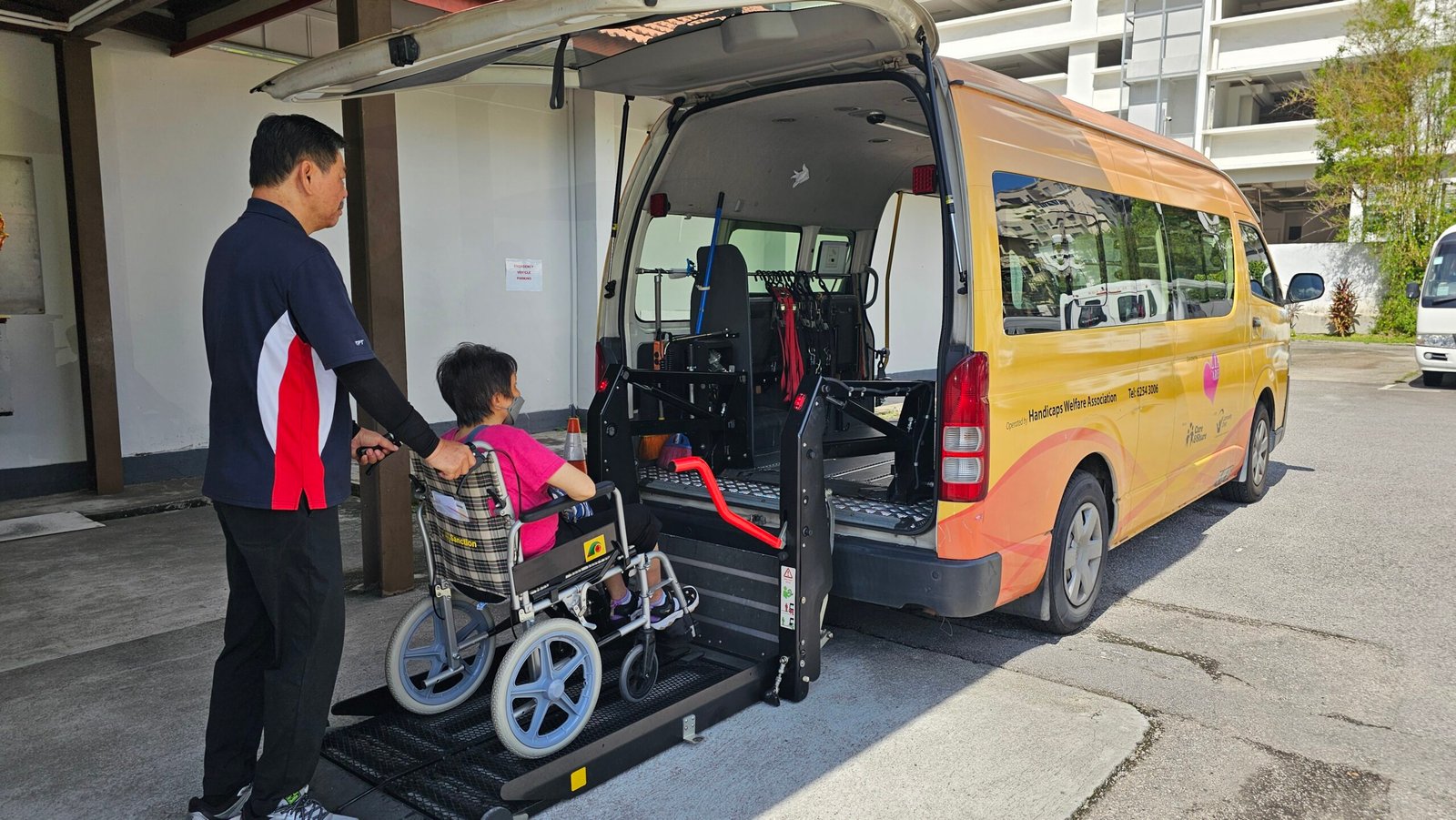
Many participants need to be physically assisted in mobility and transfers, getting in and out of bed, moving from room to room, and moving from/down to a wheelchair. These tasks are undertaken by trained support workers safely utilising proper manual handling techniques.
For individuals with more complex needs, complex or overnight care may also be needed. This involves complex care for those who have an acquired brain injury, multiple sclerosis or spinal cord injury, among other conditions.
How Does NDIS Personal Care Assistance Work in Melbourne?
There are many different NDIS-registered providers in Melbourne, and they are continuing to increase. If a plan has been approved with funding for day living activities, then a participant can start to search for a support worker or provider.
With NDIS Personal Care Assistance, the participant has three main options for managing their assistance:
Agency-Managed
The participant selects their provider, and the provider then bills the NDIS. It’s simple for people who do not desire to have to address the administrative components themselves.
Self-Managed
The participant is responsible for funding their own support and may use any support worker, an unregistered provider or an independent contractor. This provides some flexibility, but the participant will be responsible for maintaining records and arranging payments.
Plan-Managed
A paymaster is a registered plan manager that manages the financial aspects on behalf of the participant. This falls somewhere between self-managed and agency-managed and allows more freedom of choice to the participant than the agency-managed, whilst keeping the administration burden to a minimum.
How to Select the Perfect Melbourne NDIS Care Service Company
An effective match is a crucial element in achieving good results with NDIS supports. Searching for personal care providers in Melbourne involves several factors that one should consider:
Registration Status
Your plan will be managed by the NDIA, and you will need to use a registered NDIS provider. This is more flexible for self-managed participants and is quality/ safety checked for registered providers.
Experience & Training
A good support worker will have relevant training in caring for people living with disabilities, manual handling, and if necessary, complex care/medication management. Ensure support workers are adequately trained and that they undergo regular training before entering into an agreement with a provider.
Continuity of Support
One of the most frequent issues that participants may raise is that for each visit, they have a different Support Worker. Continuity is important, particularly for personal care. Find providers who don’t cross-train; rather, they keep the same workers on the same clients.
Cultural and Language Compatibility
Melbourne is a highly diverse city. Some NDIS participants may prefer to work with a support worker who has a cultural background similar to their own or can communicate in the same language. A good supplier will consider this when matching.
Communication and Responsiveness
If there is a problem or you need something to change, you want a provider who is easy to contact and is responsive. Ask for reviews and/or references prior to entering into a contract with the service provider.
Advice on how to get the most from your NDIS plan for personal support
For those about to sit down to write a planning meeting or review, here are some simple steps to make sure personal care is included in their plan:
- First, record all the supports you need on a typical day as specifically as possible. Do not state “personal help needed”; just state what tasks you require, how long it takes and the frequency of need. For instance, it may take 45 minutes per day for you to tend to your personal needs, and this is required seven days a week.
- Include supporting evidence that explains how your disability impacts your ability to carry out your own daily activities from your GP, occupational therapist or specialist.
- In the event your current plan isn’t fully meeting your personal care needs, you can ask for a plan review that isn’t scheduled. This is especially important if there has been a change in circumstances since your last planning meeting, or your needs have changed.
- A Support Coordinator can also assist you in maximising your plan. They can help you identify providers, help you know your options, and ensure that your supports are being provided properly.
The significance of having NDIS individual support services
Personal care is not a luxury for many people whose lives are supported by the NDIS in Melbourne. It’s the support that enables them to begin their day with dignity, safe at home, and enjoy life in their community. It can have a great impact on an individual’s wellbeing, mental health and independence when provided by trained, respectful and consistent workers.
The NDIS was designed with lots of choice and control in the person’s life with disability. Personal Care Assistance through the National Disability Insurance Scheme (NDIS) is one of the most clearly stated aspects of that principle being put into practice. It recognises that the need for assistance in day-to-day activities does not take away their independence. Once appropriate support is in place, participants can get to what matters most of all in their lives.
FAQs
1. Personal care and domestic assistance under the NDIS: What is the difference?
Personal care is where hands-on support is given to assist the individual in carrying out daily living skills and activities, including bathing, dressing, rubbing down, eating, preparing food and drinks and managing incontinence; domestic assistance is support for activities within a community setting that include cooking, cleaning and laundering.
2. Can I have a support worker to help with my body parts/personal care that I pick out myself under the NDIS?
Yes, participants with their own or plan-managed plans can access their supports of choice – independent support workers – in both cases, whilst those under an NDIA-managed plan can only access supports through registered NDIS providers.
3. What amount of NDIS funding do I receive for personal care in Melbourne?
The amount of personal care funding is dependent on the nature and level of disability and support required, functional assessment and the reasonable and necessary expenditure the NDIA views as contributing to achieving a person’s goals.
4. Are overnight personal care services covered by the NDIS?
Yes, when necessary, it is reasonable for the NDIS to provide funding for overnight personal care through active overnight and/or sleepover support.
5. These are the qualities that an NDIS personal care support worker must possess.
The majority of Personal Care Support Workers have a Certificate III in Individual Support, First Aid, Manual Handling and/or condition-specific training.
6. Is it possible for NDIS personal care assistance to be delivered in supported independent living (SIL)?
Yes, personal care services are normalised and confidentiality-protected and can be provided within Supported Independent Living (SIL) or separately, depending on the plan of the participant in receipt of SIL funding.
7. But what if I am not satisfied with my NDIS provider (personal care) in Melbourne?
Concerns should be raised with the provider first, and if it is not resolved, you may be able to contact the NDIS Quality and Safeguards Commission or change to another provider as outlined in the service agreement.