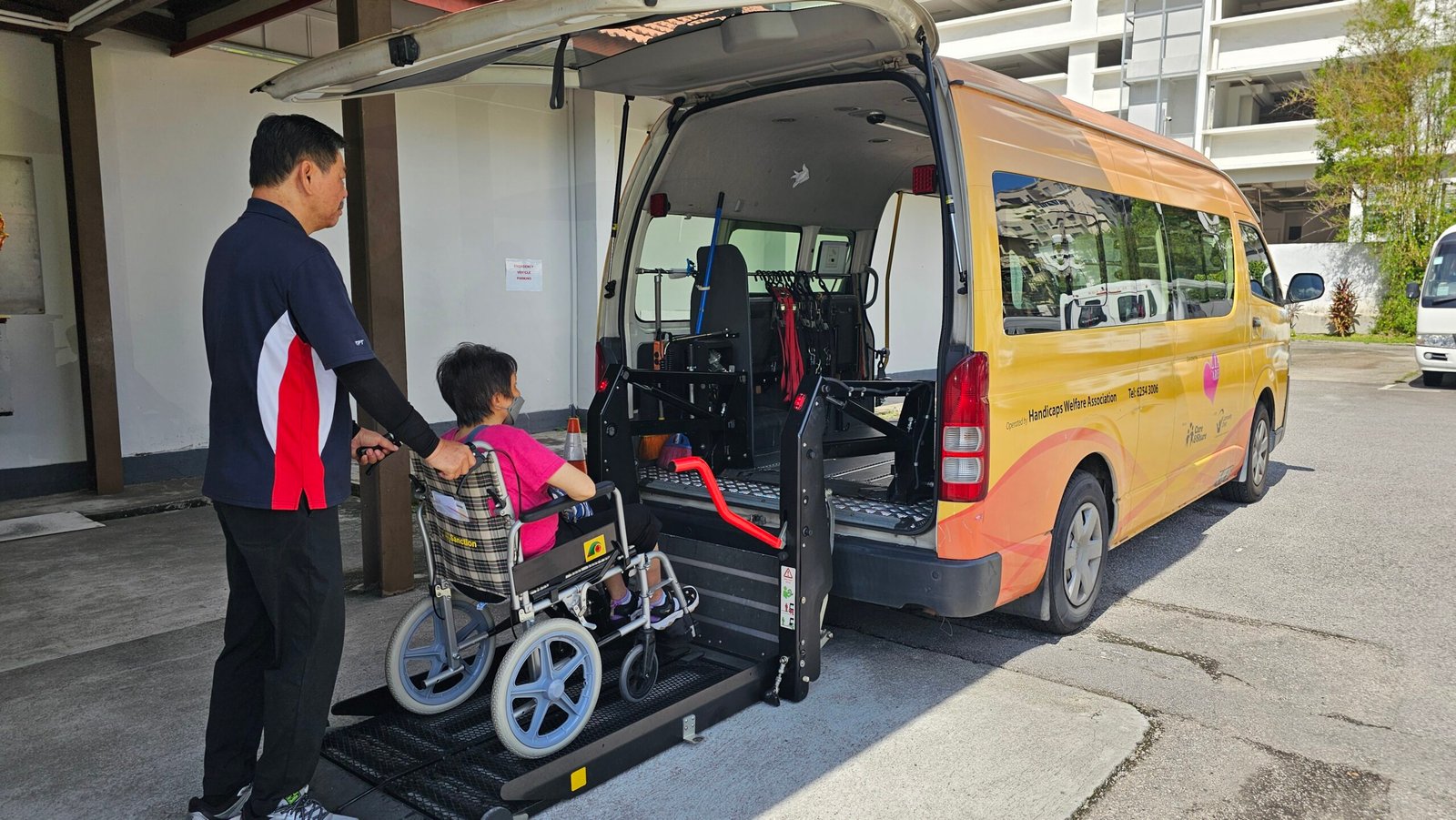

The NDIS can support you during your retirement and ageing with disability.
Retirement is a topic that everyone has to confront as they grow older; however, it can be even more complex for those with disabilities. Will your supports be different for your older years? What happens when you reach 65 years of age? What is the relationship between the NDIS and the aged care system?
The questions that thousands of Australians are asking each year. The good news is that there is NDIS support for retirement and ageing with disability available to ensure you remain independent, with dignity and a quality of life as you age. This guide explains it all simply and clearly, so you can plan accordingly.
What is covered in NDIS Support for Retirement and Ageing With Disability?
The National Disability Insurance Scheme (NDIS) provides reasonable and necessary supports to Australians under 65 who have a permanent and significant disability. However, the scheme runs for much longer after that age for existing participants.
NDIS support for retirement and ageing with disability is the personalised funding and services which assist older participants to live the life they choose. This is not a standard solution. Your plan is based on your personal objectives, your disability needs and the type of retirement lifestyle you envision.
Services available range from personal care at home to assistive technology, allied health therapies, access to the community, and housing for people with high supports. It is important to remember that your disability will not go away as you get older and your supports should not be reduced.
As they get older, who can access the NDIS?
When it comes to eligibility for the NDIS support for retirement and ageing with disability, one of the most confusing aspects is this area. This is how it really works:
- If you have already been accepted into the NDIS before you are 65: You can continue to receive the supports you have been funded for in the NDIS after you turn 65. This will not automatically move you to the aged care system. You are in control of your choice of a system.
- If you are under 65 and newly diagnosed: If you are under 65 and develop a permanent significant disability, you might be able to apply to the NDIS now. If approved, you can stay on the scheme after your 65th birthday.
- If you are 65 years or more, and you are applying for the first time, and you will be 65 before applying, you are likely to be referred to the aged care system through My Aged Care and not referred to the NDIS. The aged care system is geared to help this group.
What’s important to remember is that it is your entry age and not your current age that is the determining factor for your eligibility for the NDIS. Turning 65 does not end the ability to access the scheme if already in the scheme.
What type of supports might be available to older NDIS Participants?
The supports offered by the NDIS for retirement and ageing with disability are truly wide and flexible. Plans are person-centred, so the supports you receive will depend on what you need but the following are common supports for ageing participants.
Assistance with daily life
Support workers can provide assistance with personal care, meal preparation, domestic tasks and other care activities. With this support, you can live comfortably and safely at home.
Assistive technology
This includes many types of equipment, such as mobility aids, communication devices, smart home technology and specialised seating. With age, assistive technology plays an increasingly important role in helping older adults maintain their independence.
Therapeutic supports
Physiotherapy, occupational therapy, speech pathology and other allied health services are available to help maintain your physical and cognitive function as your body and needs change over time.
Home modifications
Grab rails, ramps, wider doorways and accessible bathrooms are all examples of modifications that can impact one’s capacity to live safely in their home.
Social and community participation
Supports that connect you to others, such as through groups, recreation and community events, are an important aspect of wellbeing recognised and funded by the NDIS.
Support coordination
A Support Coordinator will assist you to identify the appropriate support providers, manage your plan and work through the system. This is even more important as age increases and needs are complex.
Specialist disability accommodation (SDA)
SDA can help pay for purpose-built housing that is tailored to the specific needs of people who require high levels of support and have a disability that significantly impacts on their function.
The relationship between the NDIS and the Aged Care System in Australia.
When planning around NDIS support for retirement and ageing with disability, it is essential to understand the link between these two systems.
The NDIS is managed by the National Disability Insurance Agency (NDIA) and aged care is managed by the Department of Health and Aged Care and can be accessed through the My Aged Care website. These are two distinct funding sources and eligibility criteria, and also two different types of service provision.
The situation is a true choice for those who are already in the NDIS and will turn 65.
- Continue to receive your disability supports through your current plan (NDIS). This can be preferable if your disability support needs are broad and specialised.
- Go into aged care: If your needs are more age-related, go to the aged care system. This may include the use of a Home Care Package or eventually residential aged care.
- Draw on them both at the same time: Sometimes, you may need to use both resources at the same time. Your NDIS plan may include disability related services, such as specialist therapy or assistive technology, and your aged care plan may include general support to help with everyday life.
An important guideline: funding cannot be obtained for the same support from both systems. The two systems are complementary and not redundant. If it seems like you’re flying blind, a Local Area Coordinator (LAC) or Support Coordinator can guide you through your choices.
The importance of starting early and planning ahead is crucial!
The majority of discussions about retirement broach the topic of superannuation and saving. However, Australians living with disability need to be equally supported and planned for in their retirement and ageing with disability.
Your plan should not be just a snapshot of where your life is today, but in the direction it is going. If you’re approaching your 60s, you should begin to have a discussion with your NDIS Planner or Support Coordinator about changing needs, the ability to age in place and what assistive technology or therapies you may need in the future.
Having these answers worked out in advance can help you avoid the unpleasantness and coverage slippery slopes of a major life change.
How to Fully Utilise Your Plan While You’re Aging
Getting a good outcome from the NDIS is not easy, but there are a number of strategies that can help.
- Revisit your plan as often as possible. An annual review is the time to check in with your goals and make sure that your funding is aligned with your future and current needs. Avoid having this discussion when it is suddenly necessary.
- Make notes of your supports. Record the supports used and how each support helps achieve your goals. This is part of the evidence that will support your case when you come to plan review.
- If you do not have a Support Coordinator, notify us and ask for one. The older you get, the more complex your needs become; it’s helpful to have someone on your side who understands the system.
- Understand the appeal procedures. You can challenge an NDIA decision by asking for an internal review or to make an appeal to the Administrative Review Tribunal (ART). Never take a potential solution for granted without taking the time to consider all possibilities.
Final Thoughts
Being a young person/young adult with a disability in Australia is a genuine challenge, but the NDIS isn’t meant to leave you without the necessary help. The three most important things you can do when it comes to planning for your retirement and ageing with disability and having the right supports from the NDIS are to know and understand how NDIS support works for retirement and ageing, your eligibility rights and planning ahead.
Retirement may still be a decade away, or you may already be living it, but the difference between “just getting by” and enjoying a wonderful retirement can be the right supports. A registered Support Coordinator or a disability support organisation can help you to understand your options and create a plan for your future, not just your present.
FAQ’s
Can I continue to access the NDIS when I’m 65 years and older?
Yes. If you are an NDIS participant before you reach the age of 65, you are entitled to continue with the NDIS after your 65th birthday! The NDIA will not automatically refer a person to aged care. You have choices, and your NDIS funded supports can continue as long as they are reasonable and necessary in your plan.
What is the outcome of my NDIS plan when I am in the retirement phase of life?
The age of 65 years and retirement are not triggers for the end of your NDIS plan or a change in your plan. It remains in effect until it is due for review. Your next plan review will involve your NDIS planner reviewing your goals and supports again. Now is the perfect time to talk about what retirement life is like and the supports and services you will require to sustain your lifestyle.
What are the differences between the NDIS and aged care in Australia?
The NDIS provides funding for supports for individuals with a permanent and significant disability, and is available to Australians aged under 65 at the time of application (where they already have a disability, they can continue to access the NDIS after age 65). Aged care is provided for older people who require care mainly due to the effects of ageing, rather than a disability. Both systems can provide assistance in the home, but have different laws and policies, funding arrangements and qualifications.
Do I have access to both supports from the NDIS and aged care?
Yes, under some conditions you may be able to take advantage of both systems at the same time. The major constraint is that the same support can not be funded twice. In practice, your NDIS Plan would mostly be to provide disability supports, like specialist therapy or assistive technology, and aged care supports would be for help with everyday activities. A Support Coordinator or Local Area Coordinator will assist you to work out what will be funded by each of the systems in your situation.
What supports are most useful to assist ageing in place?
Some of the most helpful NDIS supports for older participants who wish to continue living in their own home are home modifications such as grab rails, ramps and accessible bathrooms, assistive technology such as mobility aids and communication devices, and frequent allied health services such as physiotherapy and occupational therapy. These supports can all help to decrease the likelihood of falls, maintain functional capacity and help people stay at home longer.
If I’m not sure if the NDIS or aged care is suitable for me, who do I need to speak with?
You can get information on aged care options by calling the NDIA on 1800 800 110 or visit ndis.gov.au, or you can call My Aged Care on 1800 200 422 to find out more. There are a number of options you can consider and a registered NDIS Support Coordinator will be able to help you make the right choice for you in the long-term.
What should I do to get ready for a plan review if I’m an older person?
Compile information from your GP, specialist doctors, therapists and support workers before your plan review to record your disability, how this affects your daily life and any changes. Write down the goals you want to work toward in the coming year, particularly any retirement-related goals. Indicate these at the review if your disability has advanced, if you have moved to a new home or if you are nearing the age of 65. It may also be helpful to have a support person or disability advocate present to help ensure that your voice is heard and your plan is what you need.