
Reliable transportation is a critical need for people with disabilities. Transportation is a big part of independence and quality of life, and that can be going to doctor’s visits, going out for activities or even getting from place to place to get to work. This is where NDIS Disability Transportation plays a vital role in providing a support service for individuals who are eligible to take part in the NDIS in Australia.
The National Disability Insurance Scheme (NDIS) provides support plans to help people with disabilities become more independent and achieve their goals. One of the many transportation supports is transportation funding that ensures that the participants can travel safely and with confidence to support their day-to-day needs.
In this blog, we will dive into the practicalities and benefits of transportation support through the NDIS, eligibility requirements, and strategies to maximise funding for world mobility.
What is NDIS Transportation Support?
Disability Transportation under the NDIS is the support and funding for people’s disability-related travel who are eligible to receive Disability Supports under the NDIS. This support is provided to those who can’t use public transport without assistance due to their disability.
Transportation assistance can be provided and can include:
- Taxi or rideshare funding.
- Community transport services
- Where support workers are required to travel with an individual.
- Using a vehicle modification or a special vehicle.
- Commuting to work, school or social engagements
The assistance offered will be based on a person’s NDIS goals, requirements and support to achieve their goals and level of independence in the plan.
The Importance of Transportation Support
Transportation is much more than getting from point A to point B. For people with disabilities, accessible transport can make a huge difference to their social integration, mental health and personal autonomy.
A few worthwhile offers of disability transportation:
Increased Independence
While not completely independent of family members/carers, participants are able to attend appointments, work, and community activities.
Amendment of the EU-CCFR Programme to Offer Better Access to Services
Reliable transportation makes sure that participants get to see therapy and medical sessions and can participate in educational programs regularly.
Enhanced Social Participation
Transportation support helps people participate in socialising, hobbies and community activities, decreasing isolation.
Greater Employment Opportunities
Participation in training or a workplace can be facilitated with travel funding, providing greater career opportunities.
NDIS Disability Transportation empowers participants to have a more active and fulfilling life.
Who’s Eligible to be Funded for Transportation?
Transportation support is not received by all NDIS participants. Eligibility is based on the extent to which a participant may have a handicap that prevents him or her from carrying out these trips on his or her own using public transportation.
The NDIS will consider paying for transportation if:
- A person has a disability that makes it difficult to travel alone
- Limited access to public transit, or it’s not appropriate
- The person requires support to be able to go to work, school or community events
- Transportation support is identified in the participant’s NDIS plan and targets the participant’s plan goals.
Funding depends on the situation of the person and the amount of help they need.
Funding for Transportation That is Available
If you are able to use transport but it isn’t necessarily comfortable, there are a variety of levels of support available through the NDIS.
Level 1: Basic Support
This level is normally for individuals who are not attending day programs or going to work/school but need transportation to engage with the community.
Level 2: Moderate Support
Those who take up part-time work, study, or attend day care programs may be eligible for more transport funding.
Level 3: Higher Support
If the participant is working or studying more often and is unable to obtain public transportation services on their own, they may get the highest amount of transportation funding.
However, knowing these categories can be useful in helping participants ensure that they maximise their available Disability Transportation supports from the NDIS.
NDIS Supports for Transportation Services
Depending on their approved plan, the NDIS may be able to provide funding for a range of services relating to transport.
Taxi and Rideshare Services
The providers of on-demand transportation.
The cost of a taxi or rideshare to or from the program might be approved, provided this is deemed reasonable and necessary, and participants have their funding available for that use.
Community Transport Providers
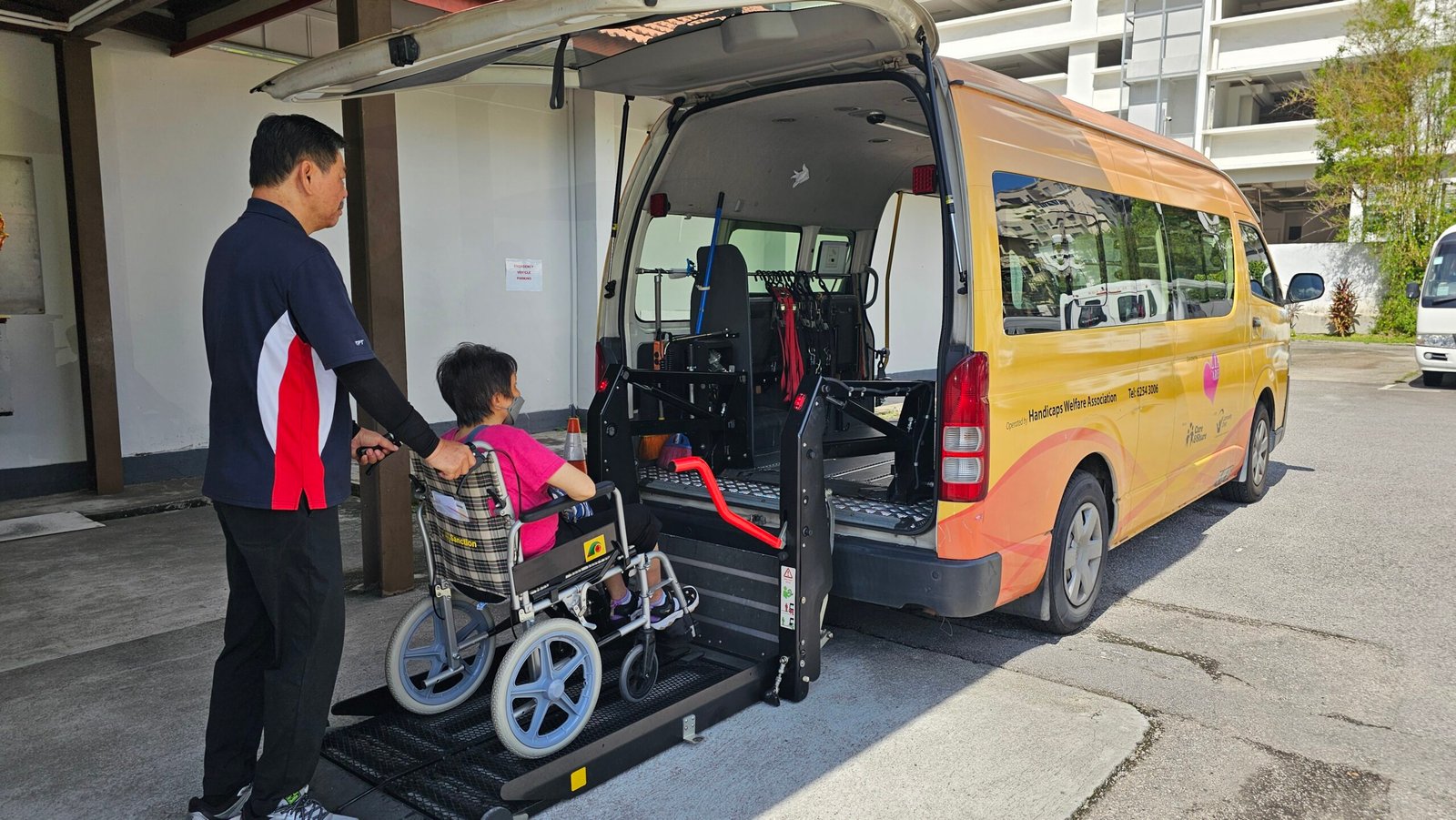
Specialist community transport services have accessible vehicles available for people with a mobility impairment or who use a wheelchair or other devices.
Support Worker Assistance
A support worker might offer support to participants when they travel, for appointments, shopping centres or other social activities.
Vehicle Modifications
The NDIS can also help with changes to vehicles like wheelchair ramps, lifts or hand controls for participants who need an accessible car.
Travel Training
Confidence and skills may be achieved through training and developed for some participants so that they are able to use public transport on their own, safely.
A variety of supports ensures that the flexibility and individuality of NDIS Disability Transportation remain intact.
Should You Add Transport Services to Your NDIS Plan?
If you think you might need some transportation support, it is important to talk to your NDIS planner about it at your planning meeting.
These are some helpful steps to overcome:
As They Begin, Make Sure to Identify Their Transportation Needs
Think about the frequency with which you use public transport, where you use it and what problems you may have using public transport.
Provide Supporting Evidence
If possible, ask your health care, OT or support worker to provide a health assessment report to complement your request.
Square Doctorship With Your Goals
Say why you will need transportation support in order to obtain employment, further education, better health, and/or social inclusion.
Track Your Expenses
Document expenses for transporting them to help defend the amount of funding you need.
With some careful planning, you can be successful in accessing NDIS Disability Transportation funding.
Selecting the Proper Transporting Company
To have a safe and comfortable experience, it is crucial to find the right provider. The support and accessibility of transportation services vary.
If you decide to go with a provider, look for:
- Vehicle accessibility features
- Experience and training of the driver
- Reliability and punctuality
- Safety standards
- Flexibility in scheduling
- Customer reviews and feedback.
It is important that participants use providers who have an understanding of disability support needs and are focused on comfort, dignity and independence.
The Problems That the Participants Encountered
Transportation support is of great help, but it still has problems with it.
Limited Regional Services
Users in rural or remote areas may have less transportation options.
Funding Limitations
Funding for transport may be inadequate for some participants to meet all their travel requirements.
Accessibility Issues
Access to mobility vehicles and/or public transportation systems may not be complete for all disability types.
Scheduling Difficulties
During the rush hours or on the weekend, you may not find it easy to book a transport service.
However, with continuous efforts to improve accessibility and support services, the effectiveness of NDIS disability transportation in Australia is continuously improving.
Maximising Your Transportation Funding: Here are Tips!
There are a few simple tips that can help participants use their transportation to the greatest benefit possible.
Plan Trips in Advance
Appointments and appointments can be booked in advance, thus decreasing stress and availability.
Use Accessible Apps
When booking rideshare or transport services, many now include accessibility options making it easier.
Combine Activities
Combining errands or appointments on one trip may be beneficial in reducing transportation costs.
Re-check Your Plan from Time to Time
Ask for a plan review if needs evolve, to make sure transportation funding is appropriate.
Work in Conjunction with a Support Coordinator
A support coordinator will be able to explain to you what funding categories are and put you in touch with reputable transport companies.
Successful financial planning can be translated to more flexibility and independence for participants.
FAQs
What are the various uses of NDIS transportation funding?
NDIS transportation funding can support a participant when they are unable to make the journey using public transport to access work, education, medical services and/or the community.
Who is eligible for support with transportation under the NDIS?
Persons with disabilities who cannot travel independently may be eligible for funding for transportation.
Is Uber / Taxi included in the NDIS?
Yes, if taxis/rideshare is a part of the NDIS plan.
Does the NDIS fund the modification of a vehicle?
If your vehicle changes are reasonable and necessary, the NDIS may provide funding for these changes, such as wheelchair lifts, vehicle ramps or hand controls.
Can support workers help when travelling?
Yes, support workers can assist participants with their transport to appointments, community events and daily activities in a safe manner.
What are the steps to ask for support in my NDIS plan for transportation?
Discussions about transportation needs can happen in the planning meeting, and healthcare professionals can offer supporting documentation.
Are there funds for social activities available for transport?
Yes, the transportation funding can be used to help you to travel for social and community participation, as part of your NDIS goals.