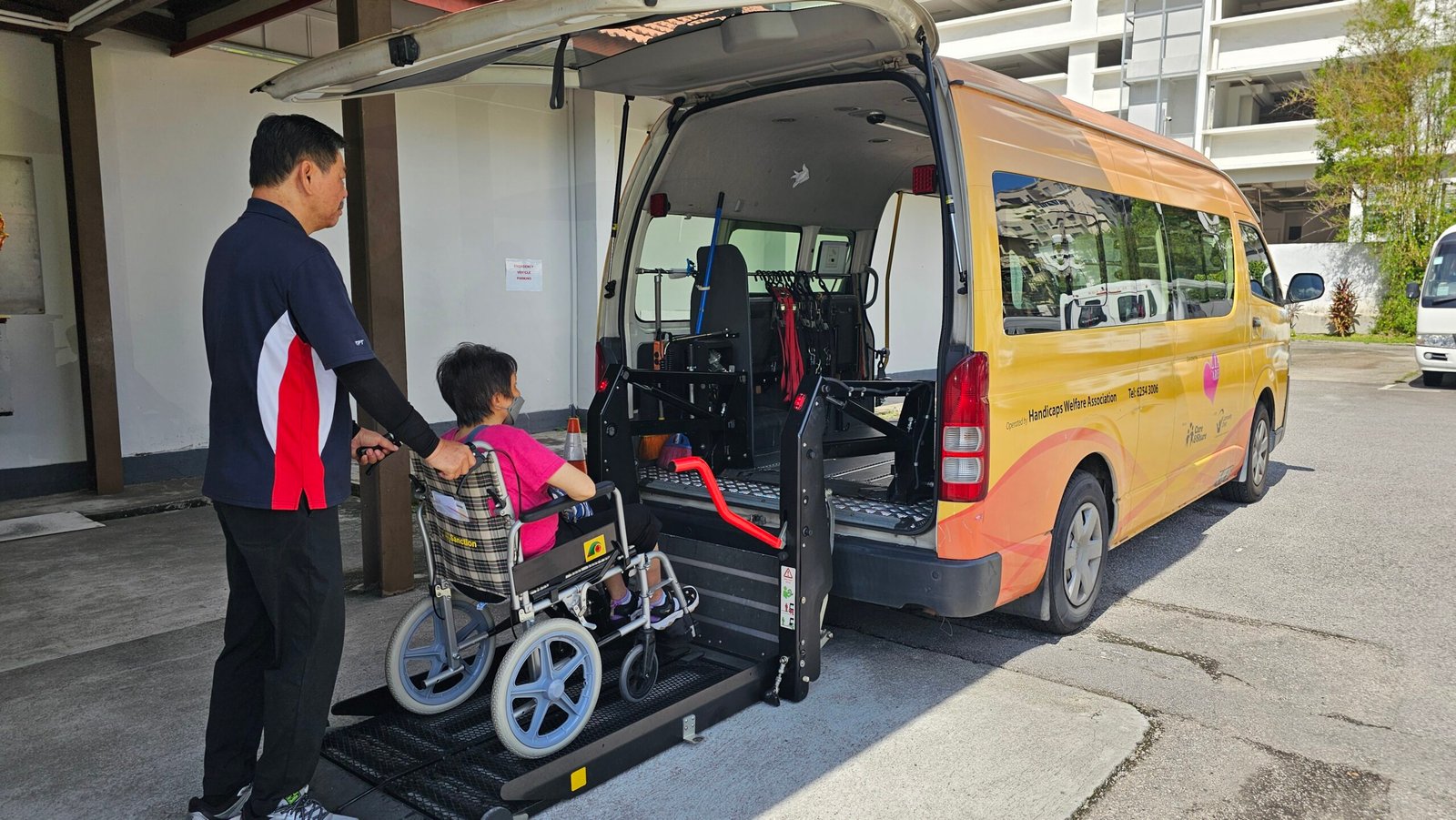

Everyday tasks such as getting dressed in the morning, cooking, taking care of personal hygiene or being able to walk around the house safely can be a challenge for those who have a disability. These activities are a necessary part of life for many Australians, but they need ongoing support and this is where the National Disability Insurance Scheme comes in.
NDIS Assistance with Daily Living is one of the most utilised supports under the NDIS. It aims to assist people with disabilities in carrying out their daily activities. If you are new to the NDIS or just want to understand what all of those funds mean, this is for you!
What is ‘Assistance with Daily Living’ in the NDIS?
Assistance with Daily Living is one of the Core Supports included in the NDIS plan of an individual. It includes funds for personal care, household chores and other activities participants require assistance with as a result of their disability.
This is not a support that takes over lives. It’s a matter of providing a level of support that enables people to have the most independent life possible. The NDIS is based on the idea that all Australians with a disability should have the right to achieve their goals, participate in their community, and live the life that they want.
The funding is part of Core Supports funding and is typically flexible – that is, on a given day, the Core Supports category the funding is allocated to may vary depending on what is most helpful to the participant.
What is the NDIS Assistance with Daily Living?
This support category is a wide one, and it’s due to a good reason. The funding is flexible and can meet the needs of individual NDIS participants who have lots of different needs every day.
Some examples of supports included in this category are:
Personal Care and Hygiene Assistance
- showering, bathing, dressing, grooming, oral care and toileting.
- This is particularly important for participants with restricted mobility, cognitive difficulties, or complex health issues.
Help in Preparing Meals
- Preparing nutritious meals and, in some instances, meal delivery services where appropriate.
- Assist with menu planning and meeting dietary requirements.
Domestic Assistance
- General household tasks such as cleaning, laundry, and tidying.
- The emphasis is on keeping a home safe and functional, not on things done by any member of a household that a person would reasonably expect to do on their own.
Overnight or 24-Hour Care
Provides participants with support throughout the night and/or all day, as part of NDIS Assistance with Daily Living, depending on the nature of the disability.
Supported Independent Living (SIL)
SIL is one of the most important aspects within this category. It supports those who require a support worker to be with them 24 hours a day and help them with daily activities, and those who live in shared or individual housing.
Community Participation Support
Some daily living supports involve assisting a participant to attend appointments, perform errands, or participate in community activities as part of their daily activities.
Daily living supports may be a need for children under seven years of age who are NDIS participants, and may involve help that is provided at home or early childhood services that support their development.
Who Is Eligible for NDIS Assistance with Daily Living?
If someone wants to access NDIS Assistance with Daily Living, they will need to be a participant of the NDIS.
To be eligible for the NDIS, you must meet the following general criteria:
- Having a primary care access request before the age of 65 years.
- An Australian citizen, permanent resident or Protected Special Category Visa (PSCV) holder is a person who is a visa holder.A visa holder is someone who is an Australian citizen, permanent resident or Protected Special Category Visa (PSCV) holder.
- Living with a permanent or significant disability that adversely affects your ability to engage in everyday functioning.
The daily living supports that are included in your plan will vary from person to person once you are a participant, and will depend on what is determined to be the “reasonable and necessary” supports for your situation. This means that the support needs to be directly related to your disability, value for money, and enable you to achieve your personal goals.
During your planning meeting, your Local Area Coordinator (LAC) or NDIS planner will help you during the planning process to identify and support your daily living needs and ensure the plan includes the appropriate funding.
What are the steps to getting support through the NDIS to access supports for Daily Living?
There are a few steps to follow to obtain access to these supports:
Step 1
If you are not an NDIS participant, contact the NDIS on 1800 800 110 or visit myplace.ndis.gov.au to start your Access Request. A disabled person will need a statement of their disability from a doctor or other health care professional.
Step 2
After becoming a participant, you will attend a Planning Meeting with an LAC or NDIS planner. This is the time to describe in detail your everyday challenges and the support you require. The more specific, the better — the more the planner knows about you and your situation, the more your plan funding will be representative of what your actual need is.
Step 3
Once your planning meeting is complete, you will receive your NDIS plan and your allocated budget. NDIS Assistance with Daily Living funding will be listed under your Core Supports budget.
Step 4
You will be able to select the providers you use to get your daily living supports, or, if your plan is self-managed, you can use unregistered providers. The choice of provider is vital; ensure that they are clear with their communication, respect your preferences and have experience with your type of disability.
Step 5
Your plan is reviewed regularly. You may ask to review your plan at any time if the supports in your plan are not working for you or if there are changes to your needs.
There are two types of providers: those who are registered and those who are not. Providers are either registered or unregistered.
For those who have an agency-managed NDIS plan (managed by the NDIA), daily living supports must be provided by a registered NDIA provider. The NDIS Quality and Safeguards Commission has found registered providers meet their requirements for delivering services.
You can choose to use registered and unregistered providers if you’re self-managed or plan-managed. This may have advantages if there is a support person or a small business in your area that provides great support and has not yet registered as an NDIS provider.
No matter whether you are registered or not, always check that your providers have up-to-date Working With Children Check (if applicable), the appropriate qualifications and a good understanding of disability support practice.
Follow these tips to maximise your use of your Daily Living Funding.
While you need to have the appropriate supports in place, it is also important to make the most of your funding.
These are some practical tips:
- Have clear objectives. The funds from the NDIS can be used to support your stated goals. Consider your life with your partner before the planning meeting, and make that clear to your partner.
- Keep records. Having a record of your spending, whether you’re self-managing or you have a plan manager, will help you stay on track and on time for your plan review.
- Go over service contracts. You should have a written service agreement with any provider who provides NDIS Assistance with Daily Living services. Be aware of the provider’s cancellation policy, hours available for support, and what they will and will not cover.
- Don’t be afraid to switch providers. You can change providers if the provider is not meeting your needs. Give appropriate notice as per your service agreement and find a better fit.
- Request a plan review when your needs change. Things change, and support needs change. Don’t settle for less support than you need, or if your needs have changed since your plan was drawn up, ask for a plan review.
Common Misconceptions About NDIS Assistance with Daily Living
This is a collection of common misconceptions about assistance with daily living that are covered in the NDIS Handbook.
Some myths have to be dispelled:
- All household duties will be funded by the NDIS. Not quite. Domestic assistance is funded directly by the NDIS and is related to your disability. Unless your disability prevents you from doing it, it may not be funded if it’s something that an adult household member would normally do.
- I can put daily living funding to any use. Core Supports funding is somewhat flexible, but must be used for reasonable and necessary supports that connect to your disability needs.
- “We are firming up my support. They are not. Support hours may be used in a variety of ways, and they can be used at a time and place of your choosing; you may also request plan reviews when circumstances change.
Final Thoughts
The NDIS process can be overwhelming, particularly in understanding what supports are available in the process. One of the most important and frequently used categories of funding is the NDIS Assistance with Daily Living support. This type of support is directly related to the challenges that disability can bring to a person’s life, on a day-to-day basis.
The important thing is that you come to your planning meeting well-informed, know what is achievable for you and what is not, and find providers who are willing to work with your aims and take your independence into account.
Don’t know where to begin? Talking with a Local Area Coordinator, support coordinator, or registered NDIS provider can be a world of difference. The NDIS can make a real difference to your day-to-day life, and the right support can make a difference.
FAQ’s
1. NDIS Assistance with Daily Living: What is it?
It contributes to the cost of living, such as personal care, meals, household services and daily living assistance.
2. How is NDIS Assistance with Daily Living funded?
Your funding is related to your disability, daily needs, goals and the supports that are approved by the NDIA.
3. Is it possible for me to have some flexibility with my Daily Living budget?
Yes, in most cases, the funding for Core Supports can be transferred between different types of supports that are eligible if needs change.
4. The difference between SIL and Assistance with Daily Living is:
SIL offers assistance at home on a daily basis for individuals with greater support needs.
5. Are there ways to pay family members to work as support workers under the NDIS?
In some cases, when it is approved by the NDIA, and there is no appropriate provider available.
6. If I am admitted to the hospital, what happens to my funding?
Daily living funding is typically suspended during the time you are receiving hospital care.
7. How to find an NDIS provider for Daily Living support.
Use the official NDIS Provider Finder to search for registered providers near you.