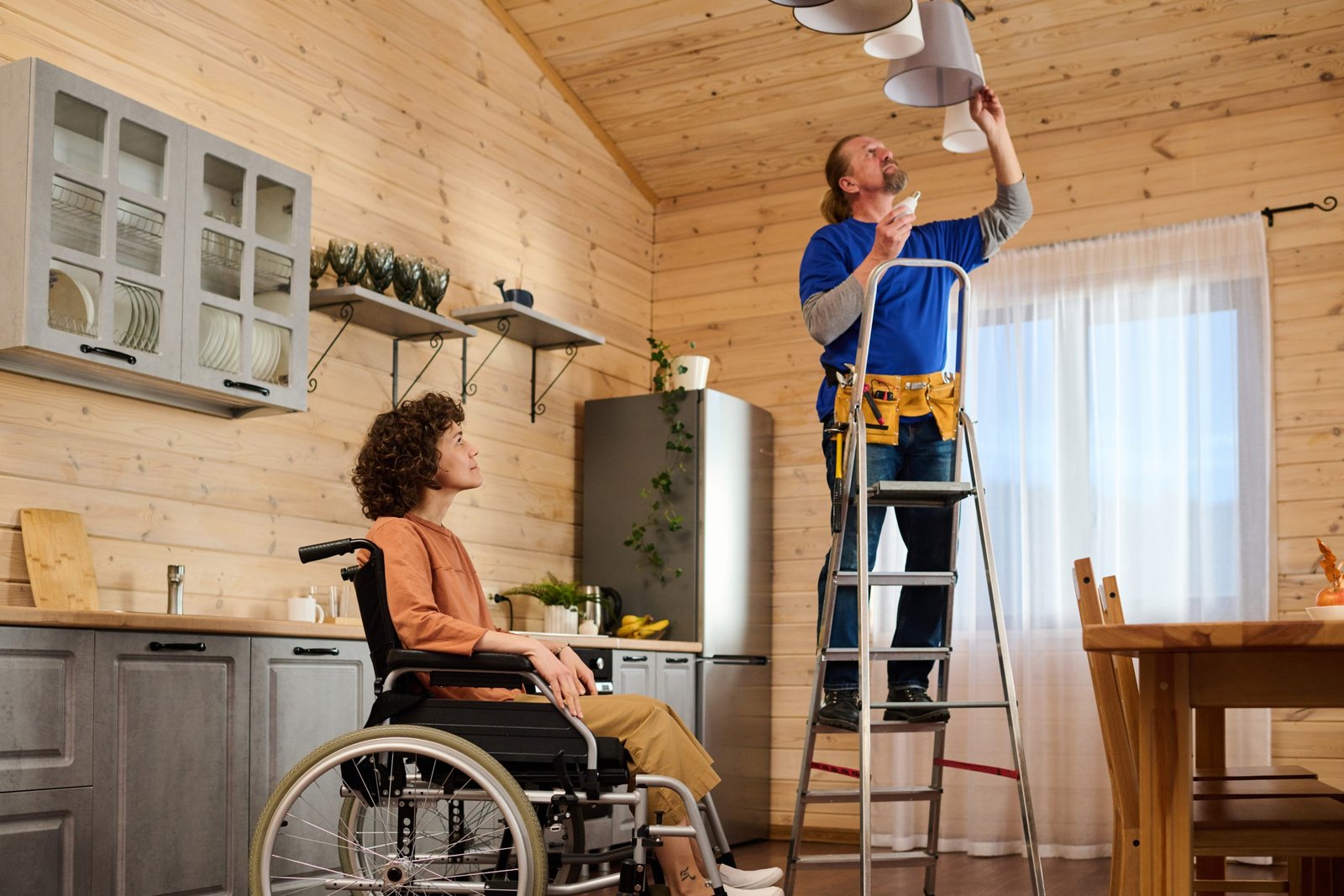

Moving to a new house is one of the most important events in life. It’s a combination of excitement and stress for most people. However, when you have a disability, things get a whole lot harder. You can find accessible housing, there are support workers to coordinate, you have to arrange for the transportation of equipment, and you have to create a whole new routine.
The good news is, if you’re an NDIS participant in Australia, you don’t need to deal with it all by yourself. Moving house with disability support from the NDIS is available for you to help you move through this kind of life change. The right NDIS supports can make the process of moving across the suburb or interstate much easier.
This guide takes you from initial funding considerations to a step-by-step plan for your move.
Why is it that moving is more difficult when you have a disability?
Packing, transporting and unpacking is the typical journey for someone who has no disability. Stressful, yes. But straightforward.
Moving is more than that for the person with a disability; it’s a laundry list of other considerations. You may need to locate a home that has very particular accessibility needs. You can use a group of support workers, with availability varying from one suburb to another, and from one state to another. Your equipment might need to be professionally reinstalled. Your healthcare providers, therapists and specialists may not be in your new area.
There’s the emotional and psychological aspect, too. Rapid changes in the environment can upset longstanding routines, impact mental health and cause you to lose the network of people who have supported you in the past.
This is exactly why it’s essential to hire disability NDIS support when moving house. The NDIS was created to provide Australians with permanent and significant disabilities with funding and supports to live a full and independent life. This means during transition – such as when moving home.
The NDIS and how it can support you on moving day
The National Disability Insurance Scheme (NDIS) is an Australian Government scheme that provides funding that can be used to provide personalised supports for individuals with a permanent and significant disability before they reach the age of 65. An individual plan is provided to each NDIS participant and funding is allocated to each participant in each of the support categories.
The NDIS doesn’t pay for removal services or moving expenses, but it can provide a variety of supports to assist you in transitioning to your new home. It’s important to know what pieces of your plan are relevant to your move and how you can make them work.
There are various types of funding for moving house with disability support from the NDIS. These are Support Coordination, Improved Living Arrangements, Assistance with Daily Life, Home Modifications and Assistive Technology.
NDIS Funding Categories That Apply to Moving House
Below are the NDIS supports that will be most relevant for you when you’re making plans to move.
Support Coordination
If the Support Coordination is part of your NDIS plan, your Coordinator can support you through the entire moving process. They can help you to find accessible housing, put you in touch with local real estate agents who are familiar with disability needs, arrange your support workers for the move, and ensure your NDIS plan is amended to take into account your new situation.
One of the most practical and common forms of moving house with a disability NDIS support is the use of a support worker. One of the most common and effective ways of moving house with a disability NDIS support is to use a support worker.
Supporting with daily activities
Your Assistance with Daily Life funding could include support worker hours for packing and organising your home, and/or help settling into your new home. This is particularly important if you are unable to meet your own needs for moving due to physical challenges.
Improved Living Arrangements
This Capacity Building support is aimed at helping people with the NDIS to identify and access suitable housing and to stay in the housing. It can pay to investigate an accessible home, apply for housing, and move into a new home. This is a very applicable category if you are moving due to a change in your needs.
Home Modifications
Your NDIS plan might include funding for the assessment and the modification, if your new home needs to be modified to suit your disability, for example, to include ramps, access to grab rails, modifications to bathroom fittings or widening doorways. This is part of the Home Modifications budget and will usually require an occupational therapist assessment.
Assistive Technology
The Assistive Technology funding may apply to the cost of specialised equipment you require that must be installed, reconfigured or replaced as part of your move. This is of special significance for users of complex communication devices, mobility aids or home medical equipment.
Specialist Disability Accommodation (SDA)
Specialist Disability Accommodation funding may be available if you have high support needs or have a significant functional impairment. SDA resources support access to housing built or significantly adapted to meet the needs of individuals with complex needs. If you think you may have a right to it, contact your Support Coordinator or NDIS planner.
To plan your move with NDIS support step-by-step
When it comes to making a move accessible to people with disabilities, planning is key. This is a practical way to get ready.
- Check your existing NDIS Plan first. First, have a detailed review of your plan with your Support Coordinator or plan manager. Be familiar with types of funding and which type is available to you. This will influence all of your decisions.
- Inform the NDIA in advance. Please advise the National Disability Insurance Agency of your intended move, particularly if it is interstate. Your plan might have to be changed, transferred or reviewed to accommodate your new address and changed needs for support.
- Begin your home search early. It takes time to find affordable accommodation in Australia. Start your search as soon as possible and search for properties that actually fit the functional requirements you’re looking for. There are dedicated platforms such as Housing Hub that cater to the needs of NDIS participants in finding suitable homes.
- Onboard your support team. Discuss with support workers, therapists and service providers early. Notify them when you are going to move so they can plan accordingly. When relocating out of the current service area, begin planning ahead for the move by looking for new providers in advance of the move.
- Make sure to plan the first week well. The first few days in a new house are the most disorienting days. Don’t have to scramble from the start; have a detailed plan for your essential supports, medications, routines and equipment.
- Get to know your new Local Area Coordinator (LAC). After you move, contact the LAC in your new community. They can assist you with accessing services and local supports, as well as community groups.
When undertaking the process of moving house with a disability, NDIS support will ensure that you are not playing catch-up when you reach your new home.
Support Coordinator To You: What Do They Do?
The NDIS coordinator is probably your most valuable resource if you have Support Coordination in your plan when you move. A Support Coordinator isn’t only about paperwork. They represent your needs, liaise with residential service providers, oversee your support workers and overall coordination of your move.
People who do not have a Support Coordinator in their plan should consider asking for one in advance of moving. This is particularly true if you are moving to a different level of support needs, a different state or territory or a major adjustment in your living situation.
The NDIS support coordinator is the essential component to making moving house with a disability much more manageable.
The stress of moving can affect your wellbeing
First, it’s important to recognise that moving is an emotional process, period. The disruption can be very real and affect mental health, sleep and wellbeing for persons with disabilities.
Use the supports in your NDIS plan, such as psychology, counselling or mental health supports, during this time. Keep in contact with trusted individuals; keep up on your focus activities when possible; allow yourself to feel the stress but don’t let it overwhelm.
You deserve a home that is safe, accessible, and it is your home. Moving house with a disability NDIS support can help make that possible.
Final Thoughts
Moving with a disability is no easy task. It doesn’t have to be a crisis though, with the right support team and understanding of your NDIS plan.
Moving house with a disability, support from the NDIS allows you to access the resources, people and funding that you require to make your next chapter a positive one. Outline your plan, talk to your coordinator, understand your new LAC and make one step at a time.
Your new house awaits you. Use your NDIS plan to help you achieve this.
FAQ’s
When moving house with a disability, what types of NDIS funding are allowed?
There are a number of funding categories that may be used by an NDIS participant to help them transition, such as Support Coordination, Improved Living Arrangements, Assistance with Daily Life, Home Modifications and Assistive Technology. Specialist Disability Accommodation (SDA) funding might also apply in the instance of higher support needs. The categories you are able to access will depend on your individual NDIS plan and your goals and budget. Before you make any decisions, check your plan with your Support Coordinator or plan manager.
What is the process like for having the cost of moving house covered by the NDIS?
No. The NDIS will not pay for removalists, transport or moving expenses which are a part of a house move. It can provide funding for support workers to help with packing, organising and unpacking, home modification assessment and assistive technology set up in the new home. Your Support Coordinator or plan manager will be able to assist you in understanding your plan and how to find supports if you don’t know what your plan covers.
If I move house, do I need to inform the NDIA?
Yes. The National Disability Insurance Agency (NDIA) needs to be told about a participant’s move, especially if they move interstate. Your NDIS plan may need updating to include your new address and your support needs may change due to the move, which might result in a plan review. Let the NDIA know as soon as you can, to ensure there are no delays or gaps in funded supports.
What are some examples of the ways in which an NDIS Support Coordinator can assist with a move to a new home?
An NDIS Support Coordinator can help you do the research on suitable housing, find real estate agents who understand disability, arrange support and service workers to support the transition, review your NDIS plan to ensure funding for the supports you require to move, and make sure that supports continue after you move. They are particularly helpful in moving from interstate or if there are substantial changes in living and support requirements.
Will the NDIS cover home changes in a new home?
Yes, in many cases. An OT assessment and the cost of making the modifications may be funded by your NDIS plan if your new home needs changes to accommodate your disability, like ramps, grab rails or bathroom fittings. Usually included in the Home Modifications support category. If you make a modification, it needs to be connected to your disability and your NDIS goals in order to receive funding for that modification.
What is Improved Living Arrangements and what does it have to do with house sharing?
Within the NDIS, Improved Living Arrangements is a Category of Support for capacity building to assist with finding and living in an appropriate housing arrangement. It may be able to provide assistance with researching accessible housing, applying for housing, and moving into a new home. When moving, this is one of the most easily applicable when you’re moving to better accommodate your disability-related housing requirements.
Can I change my NDIS support providers once I change my area?
Yes. NDIS participants are able to change their registered service provider at any time, including if they relocate to another area. Your Support Coordinator or Local Area Coordinator (LAC) may be able to assist you to identify a suitable registered provider in the area where you will live if your current support workers or providers do not provide the services in your new place. It is strongly recommended you start this process several weeks before the move date so that there is no disruption to essential supports.